Trump’s health under scrutiny: Cardiologist raises 7 questions about his care
US President Donald Trump's health is under renewed scrutiny after cardiologist Dr. Jonathan Reiner questioned the transparency of medical information released by the White House.
Intelligence analysis by Gemini 2.5 Flash
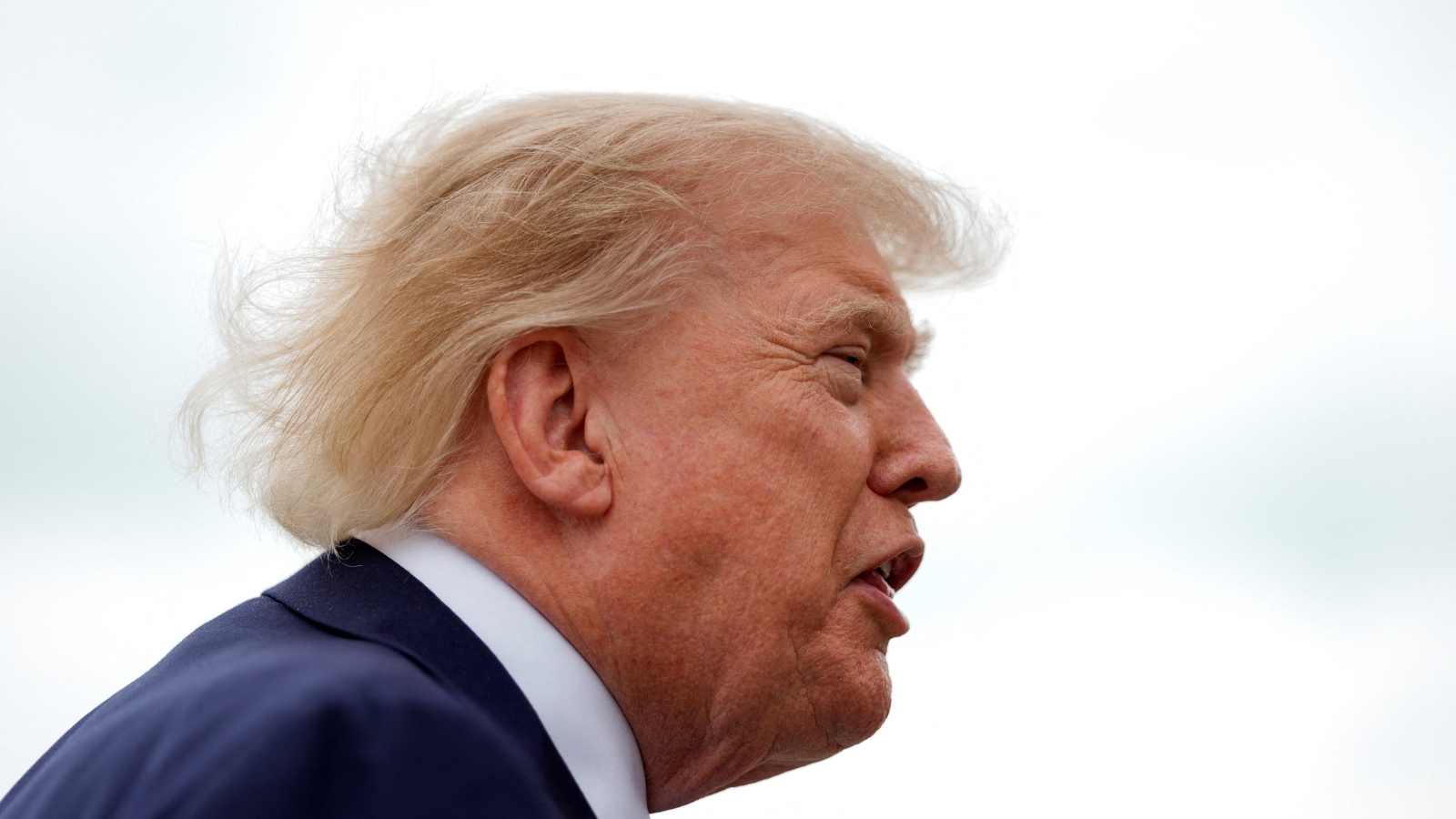
Despite the White House physician repeatedly stating President Trump is in "excellent health" and fit to serve, Dr. Jonathan Reiner, a cardiologist, has raised seven specific questions about the limited public disclosure of Trump's medical records, drawing comparisons to the detailed health reports of former Vice President Dick Cheney.
Imagine the leader of a big country, who just turned 80, has doctors saying he's super healthy. But another doctor, who used to take care of a different important person, is asking why we don't know more details about his health, like why his hands sometimes look bruised or why his legs swell. It's like when your parents tell you they're fine, but you notice they're limping a bit and wonder if they're telling you everything.
Analysis
Dr Jonathan Reiner's Scrutiny
Cardiologist Dr. Jonathan Reiner has brought the health of US President Donald Trump under renewed public scrutiny, contrasting the current administration's disclosures with the more detailed medical transparency seen during former Vice President Dick Cheney's tenure. Reiner, who treated Cheney for decades, highlighted that Cheney's significant heart issues, including stents and a defibrillator, were openly discussed. This comparison implicitly criticizes the perceived lack of comprehensive information regarding Trump's own medical status, despite official assurances of "excellent health."
Reiner's concerns are not merely speculative; he points to observable phenomena such as bruising on Trump's hands, swelling in his legs, and instances where the President appeared to struggle to stay awake. These observations, coupled with the fact that Trump underwent advanced imaging for undisclosed reasons, fuel public questioning. The cardiologist's opinion piece in The New York Times serves as a significant call for greater transparency, suggesting that the limited details provided by the White House are insufficient to fully reassure the public about the President's fitness for office.
Chronic Venous Insufficiency
A specific medical condition, chronic venous insufficiency, was disclosed by the White House in July 2025, explaining the swelling observed in President Trump's lower legs. While the White House characterized this condition as common and benign in older adults, and stated that tests ruled out deep-vein thrombosis, arterial disease, or heart failure, Dr. Reiner still raised questions. He specifically asked why the leg swelling was described as "chronic" when it had not been noted in earlier examinations, implying a potential discrepancy or an evolving condition that warrants further explanation.
This particular diagnosis, though presented as minor, becomes a focal point for Reiner's broader argument about transparency. The public disclosure of a specific ailment, even a common one, opens the door for medical professionals outside the White House to analyze the information and ask follow-up questions. The perceived incompleteness of the medical narrative surrounding this condition contributes to the overall skepticism about the President's health, especially given the high demands of the presidential office.
The 25th Amendment
The article highlights that there is no formal legal obligation for a US President to certify their fitness for duty, despite the custom of releasing annual health reports since the Nixon administration. This legal vacuum is particularly relevant in discussions surrounding presidential health, as it means the public relies heavily on the White House's discretion regarding medical disclosures. The 25th Amendment exists to address presidential incapacity, but its Section 4, which contemplates a permanent body to assess such situations, has never been established by Congress.
This legislative gap means that the process for determining a president's fitness remains largely political and discretionary, rather than being governed by an independent medical or legal body. Democratic Representative Jamie Raskin's recent introduction of legislation to create an independent Commission on Presidential Capacity underscores the ongoing debate and concern about this issue. The lack of a clear, independent mechanism for health assessment amplifies the impact of a cardiologist like Dr. Reiner raising questions, as there is no established formal channel to address such concerns outside of public and political discourse.
Key points
- US President Donald Trump's health is under renewed scrutiny following questions from cardiologist Dr. Jonathan Reiner.
- The White House physician, Dr. Sean Barbabella, has repeatedly stated Trump is in "excellent health" and fit to serve.
- Dr. Reiner contrasted the limited information on Trump's health with the extensive public disclosures about former Vice President Dick Cheney's heart problems.
- Reiner raised seven specific questions concerning Trump's medical care, including the reason for 22 specialists, aspirin dosage, leg swelling, daytime sleepiness, advanced imaging, undisclosed medications, and cognitive screening.
- There is no formal legal requirement for a US President to certify their fitness for duty, though annual health reports are customary.
The White House's official medical reports consistently state that President Trump is in "excellent health" and "fully fit" to serve, based on comprehensive evaluations by 22 specialists. This suggests that, from the administration's perspective, there are no significant health concerns that would impede his duties, aiming to reassure the public and maintain stability.
The questions raised by Dr. Jonathan Reiner, particularly regarding unexplained bruising, leg swelling, apparent daytime sleepiness, and the rationale for advanced imaging, could fuel public uncertainty and speculation about President Trump's true health status. This lack of detailed transparency might erode public confidence in the President's fitness for office, potentially leading to political instability.