Trump’s loyalist intelligence chief pick throws into doubt renewal of critical surveillance program
Trump’s choice of Bill Pulte as acting intelligence chief has raised alarm that a bipartisan deal to renew Section 702 may collapse.
Intelligence analysis by GPT-5.4 Mini
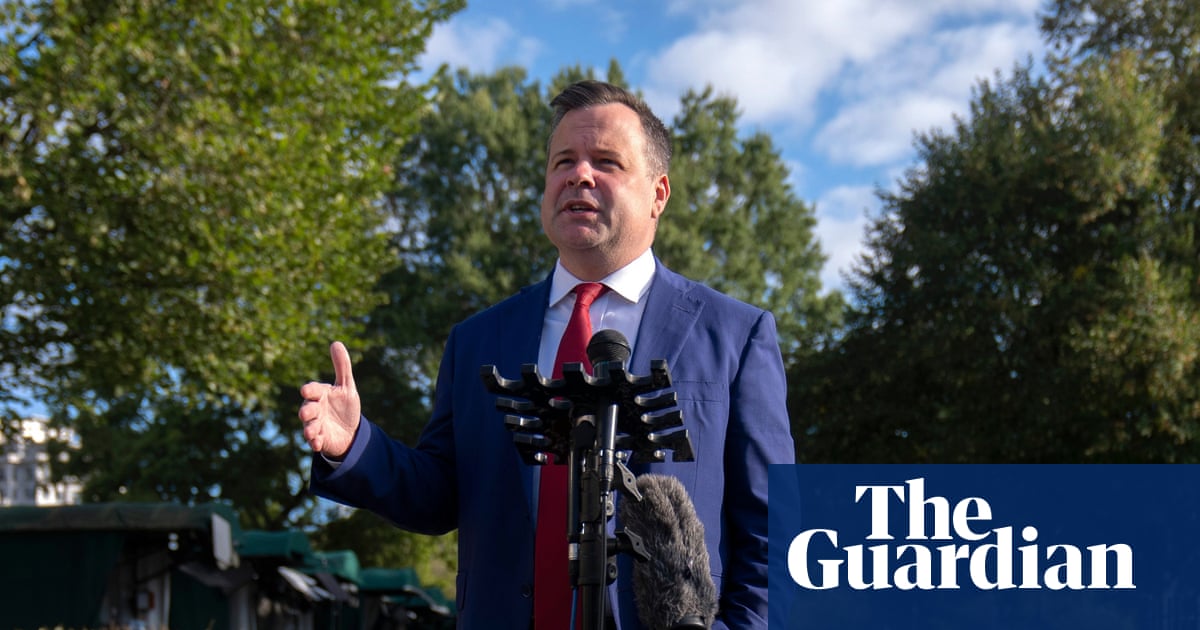
The Guardian says Trump’s appointment of Bill Pulte, a loyalist with no intelligence background, has shaken an already fragile push to renew Section 702 of the Foreign Intelligence Surveillance Act. Democrats warn the move could undermine the bipartisan agreement needed before the 12 June deadline.
A big government spying rule is about to expire, and politicians were trying to agree on a new version. But Trump picked a close ally to run the intelligence office, and critics think that choice could make the deal fall apart, like shaking a bridge while people are trying to cross it.
Analysis
What changed
Donald Trump tapped Bill Pulte, the head of the Federal Housing Finance Agency and a major Republican donor, to serve as acting director of national intelligence after Tulsi Gabbard left the post. The article says Pulte has no intelligence experience, and Democrats quickly argued that his appointment could damage the final push to renew Section 702 of the Foreign Intelligence Surveillance Act.
Why Section 702 is contentious
Section 702 lets US intelligence agencies collect communications of foreign targets outside the United States without a warrant. The controversy comes from the fact that foreign messages can pass through US servers or involve US contacts, which means domestic communications may also be captured without a warrant being sought. The article points to a 2020 FBI use of Section 702 in an investigation involving Black Lives Matter protesters, based on a declassified memo released in 2023.
The political fight
Senator Mark Warner, the Senate intelligence committee’s vice-chair, said Pulte’s appointment had made an already difficult renewal path worse. He argued that Pulte shows loyalty to Trump rather than intelligence credentials, and in a later NPR interview said he no longer had the confidence he had the day before. Republican Senate leader John Thune also gave a cool response, warning that Pulte would have a “lengthy road ahead” if nominated permanently.
The bill being circulated by Senator Tom Cotton and Senator Chuck Grassley would extend Section 702 through June 2029 and add new penalties for intelligence abuses plus extra FBI search requirements. But it still needs Democratic support to clear the Senate’s 60-vote threshold, so the White House’s pick could have direct consequences for whether the deal survives.
Key points
- Trump appointed Bill Pulte, a loyalist with no intelligence background, as acting director of national intelligence.
- Democrats say the move could derail a fragile bipartisan deal to renew Section 702 before its 12 June deadline.
- Section 702 allows warrantless collection of foreign-target communications, but US messages can be swept up too.
- Mark Warner and Chris Murphy warned that the appointment could put private information in politically motivated hands.
- A Senate bill led by Tom Cotton and Chuck Grassley would extend Section 702 through June 2029 with added abuse penalties and FBI search rules.
If the Senate keeps the compromise intact, Section 702 could be renewed with added limits on abuse and more search rules for the FBI. That would preserve a major intelligence tool while giving lawmakers a chance to tighten oversight.
If Pulte’s appointment helps sink the deal, Section 702 could expire without renewal, leaving the intelligence community without a key authority. The fight could also deepen distrust over whether intelligence powers are being used for political purposes rather than national security.