Trump's Press Secretary, Karoline Leavitt, Steps Down
Karoline Leavitt, the youngest press secretary in White House history, has resigned from her position. She cited a desire to spend more time with her family, which she felt was not possible with the demands of the job.
Intelligence analysis by Llama
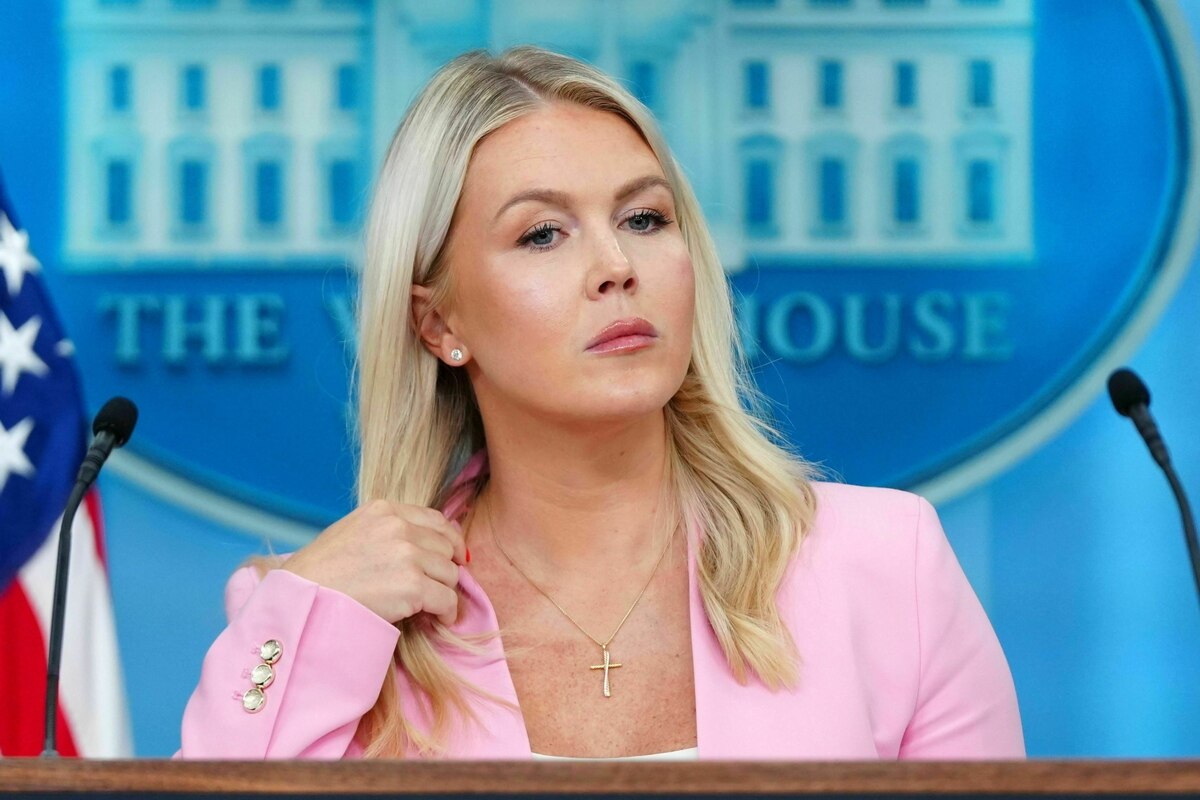
Karoline Leavitt, the youngest press secretary in White House history, has resigned from her position. She cited a desire to spend more time with her family, which she felt was not possible with the demands of the job. Leavitt was known for her sharp tongue and confrontational style, which often put her at odds with critical journalists.
Karoline Leavitt was the press secretary for the White House. She was very good at her job, but she wanted to spend more time with her family. So, she quit her job to focus on her family.
Analysis
Background on Karoline Leavitt's Resignation
Karoline Leavitt's resignation as press secretary in the White House has sent shockwaves through the media and political circles. At just 27 years old, Leavitt was the youngest person to hold the position in the history of the White House. Her departure has sparked speculation about the future of the Trump administration's communication strategy.
Leavitt's decision to step down comes just a month after she returned to work from maternity leave. She had given birth to her second child, a daughter, in January 2025. In a statement, Leavitt cited a desire to spend more time with her family, which she felt was not possible with the demands of the job.
Leavitt's tenure as press secretary was marked by controversy and confrontation. She was known for her sharp tongue and direct style, which often put her at odds with critical journalists. Despite this, she was a key figure in the Trump administration's communication strategy, and her departure may signal a shift in the administration's approach to media relations.
The Impact of Leavitt's Resignation
Leavitt's resignation has significant implications for the Trump administration's communication strategy. As press secretary, she was a key figure in shaping the administration's message and responding to media inquiries. Her departure may signal a shift towards a more conciliatory approach to media relations, or it may simply be a reflection of the changing needs of the administration.
One thing is certain, however: Leavitt's resignation marks the end of an era in the Trump administration. Her sharp tongue and confrontational style will be missed by some, but her departure also opens up new opportunities for the administration to rebrand and refocus its communication strategy.
What's Next for the Trump Administration
The Trump administration has not yet announced a replacement for Leavitt as press secretary. However, it is likely that the administration will seek to find a candidate who can fill the void left by Leavitt's departure. The new press secretary will face significant challenges in shaping the administration's message and responding to media inquiries in a post-Leavitt era.
Key points
- Karoline Leavitt resigned as press secretary in the White House.
- She cited a desire to spend more time with her family as the reason for her departure.
- Leavitt was known for her sharp tongue and confrontational style, which often put her at odds with critical journalists.
- Her resignation marks the end of an era in the Trump administration.
- The Trump administration has not yet announced a replacement for Leavitt as press secretary.
The Trump administration may use Leavitt's resignation as an opportunity to rebrand and refocus its communication strategy. A new press secretary could bring a fresh perspective and approach to media relations, which could lead to improved relationships with the press and a more positive public image.
The Trump administration's communication strategy may suffer without Leavitt's sharp tongue and confrontational style. A new press secretary may struggle to fill the void left by Leavitt's departure, which could lead to a decline in the administration's public image and relationships with the press.