Trump’s US$100,000 H-1B visa fee is an unlawful tax, judge rules
A federal judge struck down Trump’s US$100,000 fee on new H-1B visas, saying Congress never authorized it.
Intelligence analysis by GPT-5.4 Mini
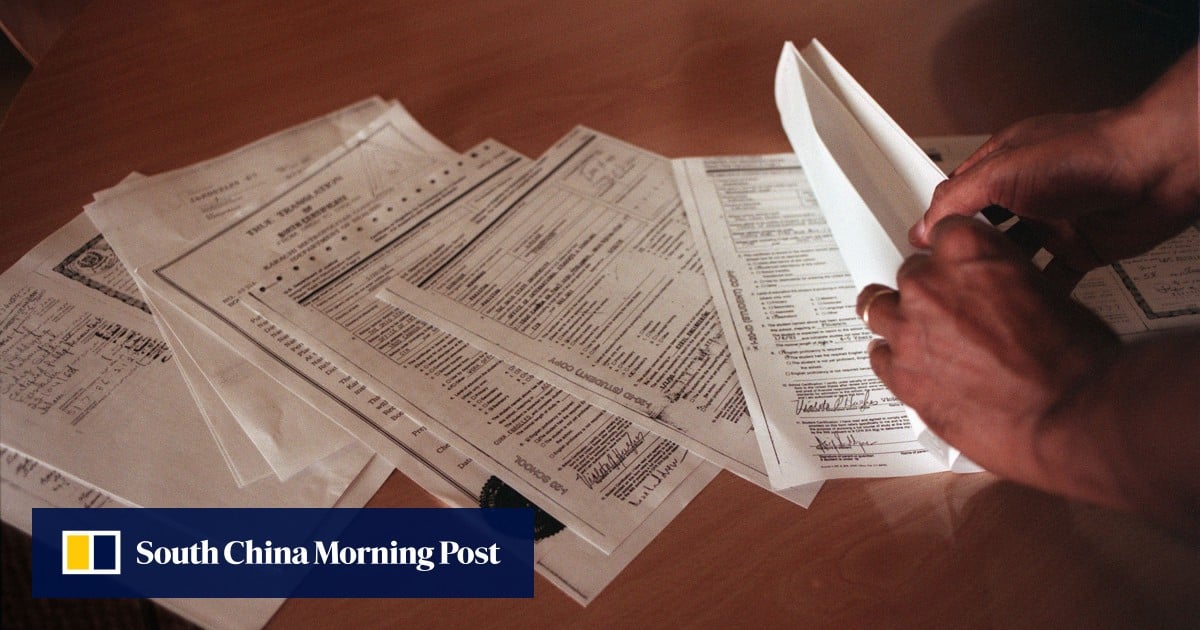
A Boston federal judge ruled that Trump’s steep new H-1B visa charge amounted to an unlawful tax. The decision blocks a policy that sharply raised costs for employers hiring highly skilled foreign workers and had already chilled applications.
A judge said the government could not charge employers a giant new fee for hiring skilled foreign workers because Congress never approved it. It is like someone trying to add a huge toll to a road without being allowed to set tolls.
Analysis
What the judge said
U.S. District Judge Leo Sorokin in Boston ruled that the Trump administration’s US$100,000 fee on new H-1B visas was an unlawful tax because Congress had not authorized it. The case was brought by 20 Democratic state attorneys general after Trump announced the fee in September.
Why the fee mattered
The H-1B program is a major route for highly skilled foreign workers to enter the U.S. It typically offers 65,000 visas a year, plus another 20,000 for workers with advanced degrees, and approvals can last three to six years. Before the new fee, employers usually paid about US$2,000 to US$5,000, depending on the case.
What changed in practice
Court filings said the higher charge discouraged H-1B requests. The administration itself said that by February 15, U.S. Citizenship and Immigration Services had received just 85 payments of the US$100,000 fee as of a March filing.
The administration’s argument
The government argued that the fee was a monetary penalty, not a tax, and that Trump had legal authority under federal immigration law to impose it in order to restrict entry by certain foreign nationals. The judge rejected that argument, at least on the record described in the ruling.
The decision does not rewrite the H-1B program itself, but it removes a major cost barrier that had been attached to new visa applications.
Key points
- A federal judge in Boston struck down Trump’s US$100,000 fee on new H-1B visas.
- The judge said the fee was an unlawful tax because Congress never authorized it.
- The lawsuit was filed by 20 Democratic state attorneys general.
- The H-1B program covers 65,000 visas plus 20,000 for advanced-degree workers each year.
- The administration said only 85 payments of the fee had been received by February 15.
If the ruling holds, employers may face lower barriers to hiring skilled foreign workers through H-1B visas. That could make it easier for U.S. companies to recruit global talent for engineering, science, and other specialized jobs.
The decision may still face further legal or policy challenges, so the fee issue may not be over. Even with the ruling, uncertainty around H-1B policy could keep employers cautious about filing new applications.