Tunisia: Ayachi Zammel and Wadie Jary pardoned, Rached Ghannouchi remains in prison in a 'critical' state
Tunisia has granted presidential pardons to over 2,400 inmates, including former presidential candidate Ayachi Zammel and ex-football federation head Wadie Jary. Meanwhile, opposition leader Rached Ghannouchi remains imprisoned in a critical health condition, with his law…
Intelligence analysis by Gemini 2.5 Flash Lite
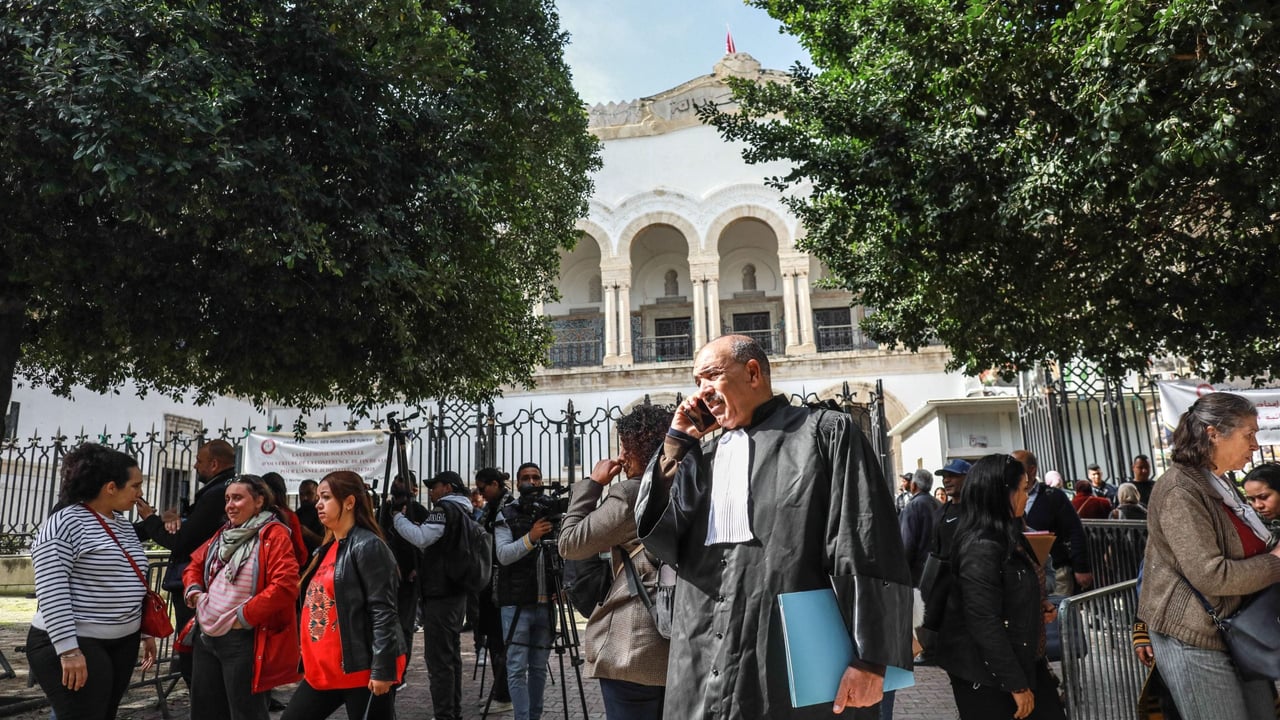
While Tunisia celebrates Republic Day with presidential pardons for over 2,400 prisoners, including notable figures Ayachi Zammel and Wadie Jary, concerns are mounting over the critical health of opposition leader Rached Ghannouchi, who is reportedly denied visits amidst a severe deterioration of his condition.
Imagine Tunisia is like a big school. Some students who got into trouble, like Ayachi Zammel and Wadie Jary, are getting a special pass to go home early for a holiday. But another student, Rached Ghannouchi, who is very sick and in the school nurse's office (prison), isn't allowed to see his family or his doctor, and his condition is getting worse. It's confusing because some students are let go, but others are kept in difficult situations.
Analysis
Presidential Pardons Amidst Political Tensions
The recent announcement of presidential pardons for over 2,400 inmates in Tunisia, coinciding with Republic Day, presents a mixed picture of the country's political climate. Among those granted clemency are Ayachi Zammel, a former presidential candidate who faced charges related to campaign sponsorship violations and had accumulated significant prison sentences, and Wadie Jary, the former president of the Tunisian Football Federation, detained on corruption charges. The pardons, while seemingly a gesture of reconciliation or administrative relief, occur against a backdrop of increasing political repression and a significant regression of rights and freedoms since 2021, as noted by the article.
Growing Concerns for Rached Ghannouchi
In stark contrast to the pardoned individuals, the health of Rached Ghannouchi, a key opposition figure and leader of the Ennahdha party, has reportedly deteriorated to a critical state. His lawyers have expressed grave concern, stating that he has fainted and is suffering from exhaustion. The situation is exacerbated by the alleged refusal of authorities to allow visits from his family and legal counsel, a move his defense team decries as a flagrant violation of fundamental rights. Ghannouchi, who has faced multiple convictions totaling over forty years in prison, including charges of "conspiracy against state security" and operating a "secret security apparatus," remains a central figure in the opposition's struggle against President Kais Saied's consolidation of power.
The Broader Context of Detentions and Freedoms
The contrasting fates of Zammel, Jary, and Ghannouchi underscore the polarized political environment in Tunisia. While some individuals are released, many other political and media figures remain in detention, often for social media posts or statements, or for alleged "conspiracy against state security." Ghannouchi's arrest and subsequent convictions, particularly his long sentences, are seen by his supporters as politically motivated, aimed at silencing dissent. The article implicitly links these detentions to President Saied's actions since July 2021, when he assumed broad powers, leading to a significant rollback of democratic gains and a climate of fear for those critical of the government. The refusal of visits for Ghannouchi, in particular, raises serious humanitarian and legal questions.
Key points
- Tunisia granted presidential pardons to over 2,400 inmates, including former presidential candidate Ayachi Zammel and ex-football federation president Wadie Jary.
- Opposition leader Rached Ghannouchi remains imprisoned and is reportedly in a critical health condition.
- Ghannouchi's lawyers claim authorities are denying him visits from family and legal counsel, raising concerns about his well-being and rights.
- The pardons and continued detentions highlight the complex and polarized political situation in Tunisia following President Kais Saied's consolidation of power.
The presidential pardons could signal a potential de-escalation of political tensions, offering a path towards reconciliation for some individuals. If this trend continues, it might lead to a broader review of detention policies and a more inclusive political dialogue in Tunisia.
The continued detention and critical health of Rached Ghannouchi, coupled with the denial of visits, suggest a deepening political crackdown and a disregard for human rights. This could further polarize the country, stifle opposition, and lead to increased international scrutiny and condemnation of the Tunisian government.