Tupac Shakur murder: trial of ex-gang leader accused of ordering killing begins
The trial of Duane "Keffe D" Davis, a former gang leader accused of orchestrating the 1996 drive-by shooting that killed rapper Tupac Shakur in Las Vegas, has begun.
Intelligence analysis by Llama
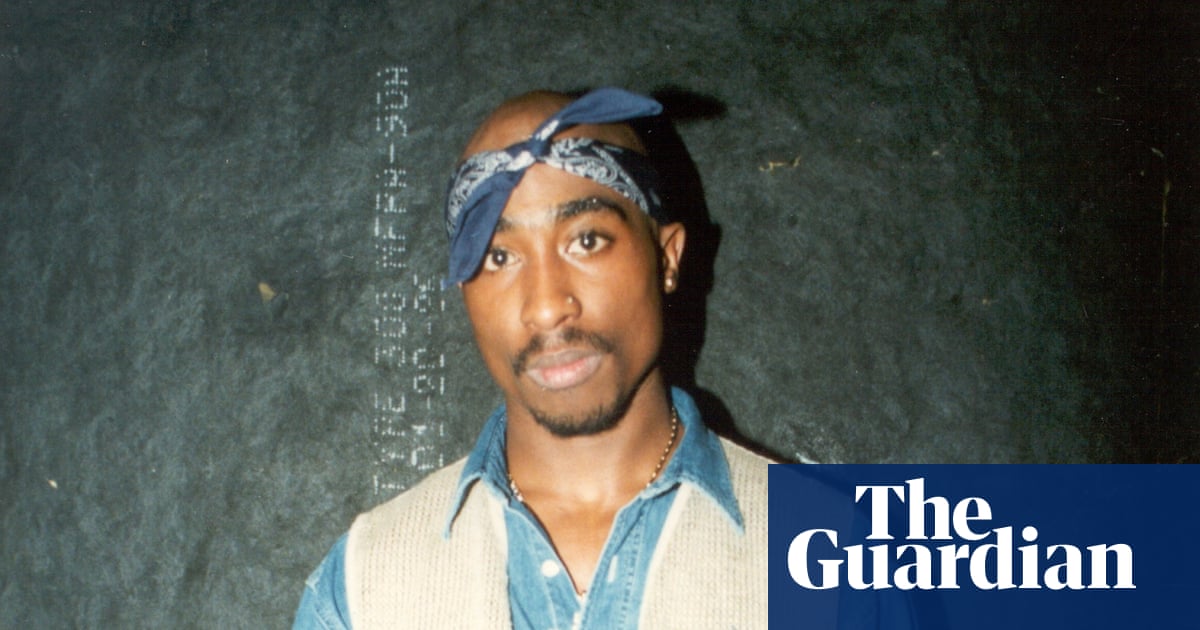
The trial of Duane "Keffe D" Davis, the only person ever charged in the 1996 drive-by killing of rapper Tupac Shakur, has begun in Las Vegas. Prosecutors say he was the "on-site commander" of the attack, while his defense argues 30 years of evidence is thin.
A famous rapper named Tupac was shot and killed in 1996, and for almost 30 years nobody was charged. Now a man named Duane Davis is on trial because he wrote a book saying he was part of it. It's like finally solving a really old mystery everyone had given up on.
Analysis
"Keffe D" Davis
The 63-year-old Duane "Keffe D" Davis, the only person ever charged in the 1996 killing of Tupac Shakur, entered a Las Vegas courtroom in a blue suit and tie on Monday morning, scanning the audience before sitting beside his lawyer. Prosecutors allege Davis was the "on-the-ground, on-site commander of the effort to kill Tupac", even though they concede he did not pull the trigger. Davis has pleaded not guilty while simultaneously acknowledging a role in the shooting in a 2019 memoir that authorities have described as central to the case. "Had he decided to never write the book, he would not, probably, have ever been prosecuted for the crime," prosecutor Marc DiGiacomo said, framing the memoir as the very instrument that revived a cold investigation.
Binu Palal
Chief deputy district attorney Binu Palal opened the prosecution's case by showing jurors a picture of the Mike Tyson fight dated September 7, 1996, along with video of Shakur's entourage attacking Davis's nephew Orlando "Baby Lane" Anderson earlier that evening. Palal framed the drive-by as retaliation for that beating and walked jurors through audio of Davis describing his own involvement and anger toward Shakur. "Let's be clear, Duane Davis did not pull the trigger. But he did plan the shooting in retaliation of the beating of his nephew," Palal said. The prosecution is leaning heavily on Davis's own words, planning to use both his audio statements and his memoir as evidence against him.
Michael Sandt
Defense attorney Michael Sandt told the jury that after 30 years, investigators still have very little evidence to prove their case, pointing out that Davis's years of statements to law enforcement agencies, including the FBI, went uninvestigated because authorities did not find them credible. "At the end of the day you have to ask yourself, is what they are saying truth or fiction?" Sandt said. The defense tried to keep the 2019 memoir out of trial by arguing that Davis and his co-author exaggerated to "falsely place himself at the center of it all for personal gain", but a judge denied the request. With a jury of six men and 10 women now seated and a trial expected to last about a month, the case turns on whether jurors view Davis's self-incriminating narrative as confession or performance.
Key points
- Trial of Duane "Keffe D" Davis has begun in Las Vegas, nearly 30 years after Tupac Shakur was killed in a drive-by shooting on September 7, 1996.
- Prosecutors say Davis was the "on-site commander" of the attack, allegedly planned in retaliation for the beating of his nephew Orlando "Baby Lane" Anderson after the Mike Tyson fight.
- Davis pleaded not guilty but acknowledged a role in the shooting in a 2019 memoir that authorities credit with reviving the cold-case investigation.
- A jury of six men and 10 women was selected last week; the trial is expected to last about a month.
- Defense attorney Michael Sandt argues investigators have little credible evidence and that Davis's statements were not previously pursued by law enforcement, including the FBI.
If the prosecution succeeds, the case could bring a definitive end to a decades-long mystery that has spawned countless conspiracy theories, books, and documentaries. A conviction would also underscore that self-incriminating statements in published memoirs carry real legal consequences, potentially deterring similar public confessions in other cold cases.
The defense's argument that 30 years of statements went uninvestigated due to lack of credibility could resonate with jurors, and questions about whether Davis exaggerated his memoir for personal gain may weaken the prosecution's reliance on his own words. If acquitted, the case — already the only prosecution ever brought — would likely close permanently, leaving Shakur's killing officially unresolved once again.