Turn-EM and Ukraine War: Frosty Mood
The Turn-EM competition in Zagreb saw two Ukrainian-born athletes and a Russian competitor face off in the men's horizontal bar final. The new policy allowing Russian gymnasts to compete without a neutral review has sparked tensions. Ilia Kovtun, a Ukrainian-born gymnast,…
Intelligence analysis by Llama
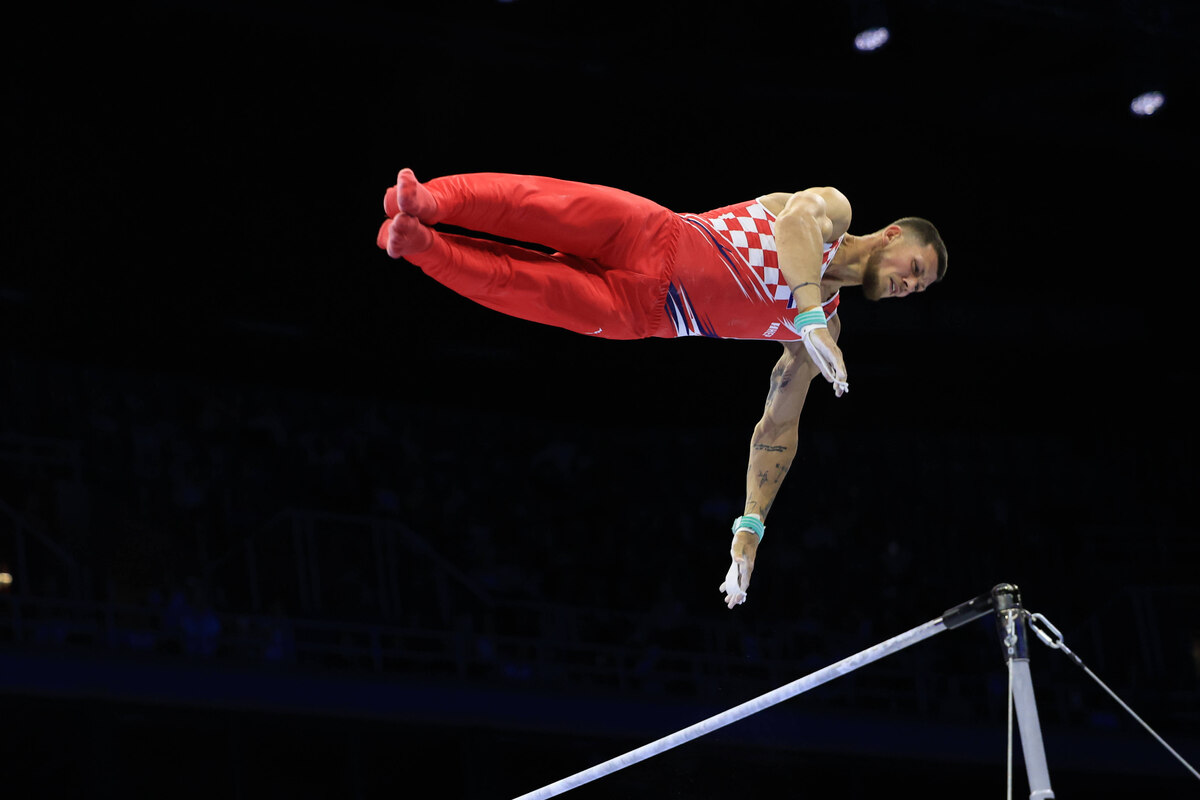
The Turn-EM competition in Zagreb has been marred by tensions between Ukrainian-born gymnasts and Russian competitors, following a new policy allowing Russian gymnasts to compete without a neutral review. Ilia Kovtun, a Ukrainian-born gymnast, won the silver medal in the men's horizontal bar event for Ukraine, but later switched to compete for Croatia, citing difficulties in returning…
Imagine you're a gymnast, and you're competing in a big competition. But there's a war going on in your country, and you're not sure if you can go back home. That's what's happening with Ilia Kovtun, a Ukrainian-born gymnast who won a silver medal in the men's horizontal bar event for Ukraine, but later switched to compete for Croatia. He's not sure if he can go back to Ukraine, and that's causing a lot of tension between him and other gymnasts.
Analysis
Background
The Turn-EM competition in Zagreb has been a highly anticipated event, with many top gymnasts from across Europe competing for medals. However, the competition has been marred by tensions between Ukrainian-born gymnasts and Russian competitors, following a new policy allowing Russian gymnasts to compete without a neutral review.
Ilia Kovtun, a Ukrainian-born gymnast, won the silver medal in the men's horizontal bar event for Ukraine, but later switched to compete for Croatia, citing difficulties in returning to Ukraine due to the ongoing war. Kovtun's decision to switch teams has sparked controversy, with some accusing him of being a traitor to his Ukrainian heritage.
The new policy allowing Russian gymnasts to compete without a neutral review has raised concerns about fairness and impartiality. Many have argued that the policy is unfair to Ukrainian-born gymnasts, who have been forced to flee their homes due to the ongoing war.
The Turn-EM competition in Zagreb has highlighted the complexities of the ongoing war in Ukraine. The conflict has displaced millions of people, and many have been forced to flee their homes in search of safety. The competition has also raised questions about the role of sports in times of conflict, and whether it is possible to separate politics from sports.
What Changed
The Turn-EM competition in Zagreb has seen a significant shift in the way that gymnasts are competing. The new policy allowing Russian gymnasts to compete without a neutral review has created a sense of unease among Ukrainian-born gymnasts, who feel that they are being unfairly treated.
Ilia Kovtun's decision to switch teams has also sparked controversy, with some accusing him of being a traitor to his Ukrainian heritage. However, Kovtun has argued that he made the decision to compete for Croatia due to difficulties in returning to Ukraine due to the ongoing war.
What's Next
The Turn-EM competition in Zagreb has highlighted the complexities of the ongoing war in Ukraine. The conflict has displaced millions of people, and many have been forced to flee their homes in search of safety. The competition has also raised questions about the role of sports in times of conflict, and whether it is possible to separate politics from sports.
As the competition continues, it will be interesting to see how the tensions between Ukrainian-born gymnasts and Russian competitors play out. Will the new policy allowing Russian gymnasts to compete without a neutral review be enough to ease tensions, or will it only serve to exacerbate the situation?
Key points
- Ilia Kovtun, a Ukrainian-born gymnast, won the silver medal in the men's horizontal bar event for Ukraine, but later switched to compete for Croatia.
- The new policy allowing Russian gymnasts to compete without a neutral review has raised concerns about fairness and impartiality.
- The Turn-EM competition in Zagreb has highlighted the complexities of the ongoing war in Ukraine.
If Ilia Kovtun's decision to switch teams is successful, it could pave the way for other Ukrainian-born gymnasts to compete for other countries. This could help to ease tensions between Ukrainian-born gymnasts and Russian competitors, and create a more inclusive environment for all gymnasts.
However, if the new policy allowing Russian gymnasts to compete without a neutral review is not implemented, it could lead to further tensions between Ukrainian-born gymnasts and Russian competitors. This could create a toxic environment for all gymnasts, and make it difficult for them to compete fairly.