Two people arrested in Pakistan's Mohmand district for posting Indian flag and 'Jai Hind' on social media
Two people have been arrested in Pakistan's Mohmand district for posting Indian flag and 'Jai Hind' on social media. They were charged under Pakistan Penal Code sections 123A and 153A for allegedly spreading hatred and defying the country's sovereignty.
Intelligence analysis by Llama
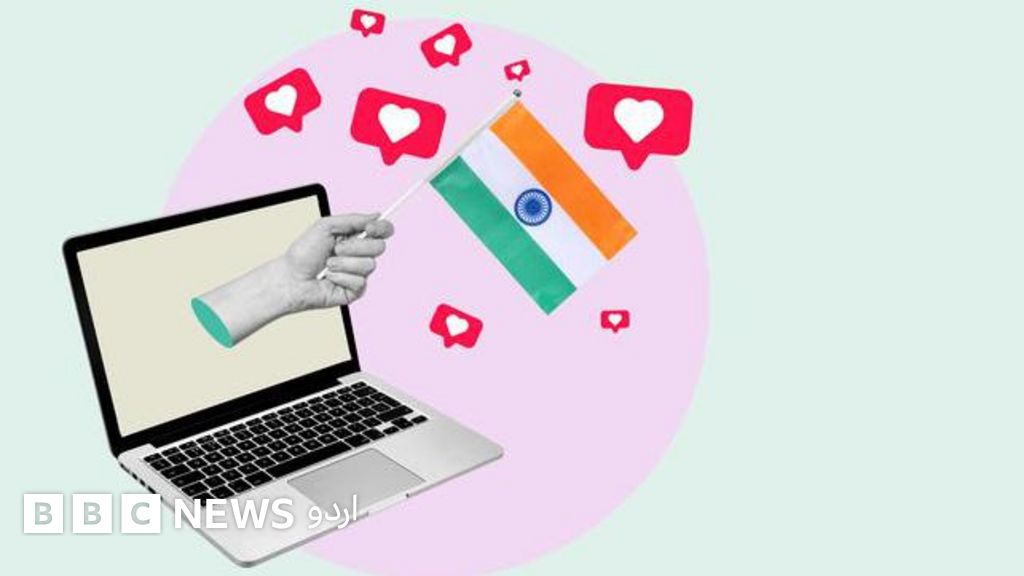
Two individuals were arrested in Pakistan's Mohmand district for posting Indian flag and 'Jai Hind' on social media. They were charged under Pakistan Penal Code sections 123A and 153A for allegedly spreading hatred and defying the country's sovereignty. The case has sparked debate about freedom of expression and the limits of online speech.
Imagine you're on social media, and you see someone posting a picture of the Indian flag and the words 'Jai Hind'. You might think it's just a harmless post, but in Pakistan, it can be considered a crime. The government has laws that say you can't spread hatred or defy the country's sovereignty. If you break these laws, you could get in trouble. It's like having a rule that says you can't say certain things in public, even if you think they're true.
Analysis
Background
The case of two individuals arrested in Pakistan's Mohmand district for posting Indian flag and 'Jai Hind' on social media has sparked debate about freedom of expression and the limits of online speech. The individuals were charged under Pakistan Penal Code sections 123A and 153A for allegedly spreading hatred and defying the country's sovereignty.
The Case
The two individuals, who have not been named, were arrested on August 15, the day of India's Independence Day. They were charged with spreading hatred and defying the country's sovereignty under sections 123A and 153A of the Pakistan Penal Code. The case has sparked debate about freedom of expression and the limits of online speech.
Implications
The case has implications for freedom of expression in Pakistan, where online speech can have real-world consequences. It also raises questions about the role of social media in spreading hatred and defying the country's sovereignty. The case has sparked debate about the limits of online speech and the role of social media in spreading hatred and defying the country's sovereignty.
Conclusion
The case of two individuals arrested in Pakistan's Mohmand district for posting Indian flag and 'Jai Hind' on social media highlights the complexities of freedom of expression in Pakistan. It also raises questions about the role of social media in spreading hatred and defying the country's sovereignty.
Key points
- Two individuals were arrested in Pakistan's Mohmand district for posting Indian flag and 'Jai Hind' on social media.
- They were charged under Pakistan Penal Code sections 123A and 153A for allegedly spreading hatred and defying the country's sovereignty.
- The case has sparked debate about freedom of expression and the limits of online speech in Pakistan.
- The government has laws that say you can't spread hatred or defy the country's sovereignty.
- If you break these laws, you could get in trouble.
The case highlights the importance of freedom of expression in Pakistan, and the need for the government to balance this with the need to protect the country's sovereignty. If the government can find a way to balance these competing interests, it could lead to a more open and tolerant society.
The case raises concerns about the limits of online speech in Pakistan, and the potential for the government to use laws to silence critics. If the government continues to use laws to suppress dissent, it could lead to a more repressive society.