UAE Urges Immediate End to Iran War, Doesn’t Blame US
The United Arab Emirates (UAE) has called for an immediate de-escalation of tensions in the Middle East, urging all parties to halt hostilities and return to negotiations.
Intelligence analysis by Gemini 2.5 Flash
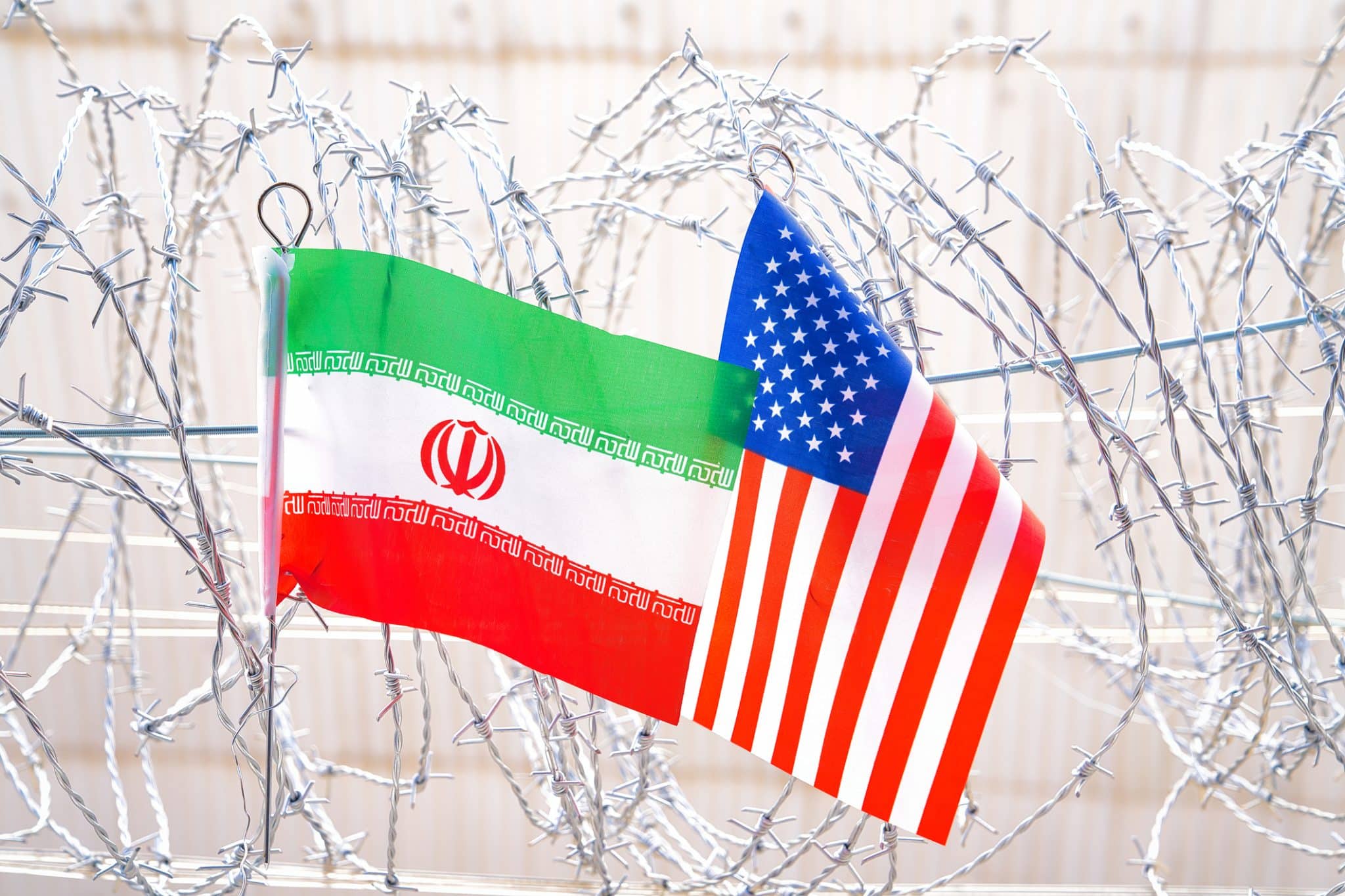
The UAE expressed deep concern over regional developments, emphasizing the need for diplomatic talks and safe navigation through the Strait of Hormuz. Notably, the UAE did not blame the US military for breaking the Islamabad MoU, despite Iran's accusations of UAE support for US operations against it.
Imagine two big kids, Iran and the US, are having a big argument, and it's making everyone in the neighborhood nervous. The UAE, like a helpful neighbor, is telling everyone to stop fighting right now and talk things out instead. They're also worried about a special road, the Strait of Hormuz, where lots of important stuff travels, and they don't want it blocked. Even though Iran says the UAE is helping the US, the UAE isn't blaming anyone, just asking for peace.
Analysis
UAE's Balancing Act Amidst Regional Strife
The United Arab Emirates has issued a clear call for an immediate end to hostilities in the Middle East, advocating for a return to diplomatic negotiations to prevent further escalation of the ongoing conflict. This statement underscores the UAE's deep concern over the worsening instability in the region, highlighting the potential for widespread repercussions. Crucially, the UAE's official stance refrains from blaming the US military for any breaches of the Islamabad MoU, a point of contention raised by Iran. This diplomatic positioning suggests a careful balancing act by the UAE, aiming to maintain regional stability while navigating complex alliances and accusations.
Iran, on the other hand, has openly accused the UAE of complicity, specifically citing its support for what Iran terms 'US operation Epic Fury.' Iran's Deputy Foreign Minister, Kazem Gharibabadi, pointed to a US Department of Commerce press release, which upgraded the UAE's export status, as evidence of Abu Dhabi's backing for US military actions against Iran. This accusation adds a layer of complexity to the UAE's call for de-escalation, as it simultaneously faces direct allegations from one of the primary parties in the conflict, challenging its neutral diplomatic posture.
Escalating Tensions and Economic Vulnerabilities
The conflict's continuation poses significant threats beyond direct military engagement. The UAE's statement explicitly condemned attacks on civilian infrastructure, including schools, hospitals, and residential areas, labeling them as severe violations of international law. Such actions not only cause immense human suffering but also exacerbate regional instability, making a return to normalcy increasingly difficult. Furthermore, the importance of ensuring safe and uninterrupted navigation through the Strait of Hormuz was emphasized, a critical chokepoint for global oil supplies.
Disruptions in the Strait of Hormuz could have far-reaching economic consequences, impacting global energy markets and trade routes. The potential for increased oil prices and supply chain interruptions would affect economies worldwide, including those heavily reliant on oil imports like Pakistan. The ongoing tensions, therefore, are not merely a regional issue but a global concern with tangible economic implications that could ripple through various sectors and nations.
Geopolitical Ripples for Pakistan and Beyond
The Middle East's stability is intrinsically linked to Pakistan's national interests. As a neighboring country with significant economic ties and a large diaspora in the Gulf, Pakistan is highly sensitive to any escalation in the region. Increased instability could lead to a humanitarian crisis, disrupt trade, and impact remittances, which are vital to Pakistan's economy. The call for de-escalation by a key regional player like the UAE, therefore, resonates with Pakistan's own desire for peace and stability in its extended neighborhood.
The broader geopolitical landscape is also shaped by these dynamics. The US-Iran tensions, coupled with the UAE's nuanced diplomatic stance, highlight the intricate web of alliances and rivalries that define the Middle East. For international observers, the situation underscores the fragility of peace and the constant need for diplomatic engagement to prevent conflicts from spiraling out of control. The outcome of these tensions will undoubtedly influence regional power balances and the future trajectory of international relations in the broader Asian continent.
Key points
- The UAE has urged an immediate end to hostilities in the Middle East and a return to diplomatic negotiations.
- The UAE expressed deep concern over regional instability but did not blame the US military for breaking the Islamabad MoU.
- Iran accused the UAE of supporting US military attacks, citing a US Department of Commerce upgrade of UAE's export status as proof.
- The UAE emphasized the importance of safe navigation through the Strait of Hormuz and condemned attacks on civilian infrastructure.
- Continued fighting is warned to worsen instability across the region, with significant implications for international law and regional security.
If diplomatic efforts succeed, the immediate cessation of hostilities could pave the way for constructive negotiations, leading to a de-escalation of regional tensions. This would ensure the continued safe passage through critical waterways like the Strait of Hormuz, stabilizing global energy markets and fostering greater regional cooperation.
Should diplomatic calls fail, the conflict could intensify, leading to further attacks on civilian infrastructure and potential disruptions to vital shipping lanes. This escalation risks wider regional instability, increased humanitarian crises, and significant negative impacts on global trade and energy prices.
Market signals
- OIL Supply-route risk from the reported conflict and concerns over the Strait of Hormuz could push oil prices higher.
AI-generated analysis of potential market relevance. Not financial advice.