UK companies opting to hire temporary workers over permanent staff, recruitment firms say
UK employers are shifting toward temporary hires as costs rise and confidence weakens, a KPMG-REC survey says.
Intelligence analysis by GPT-5.4 Mini
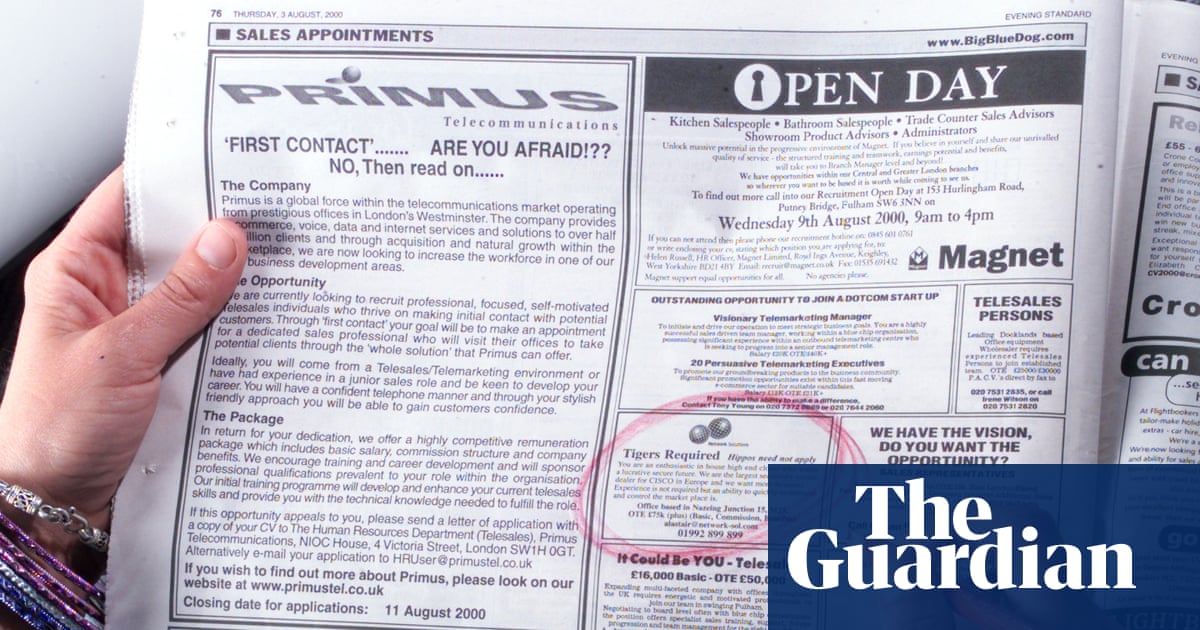
Recruiters say UK businesses are leaning on temporary contracts instead of permanent jobs as economic and political uncertainty, higher costs and new employment rules make firms cautious. The shift is showing up alongside weaker permanent hiring, especially in retail.
UK companies are acting like people who are unsure about the weather and only borrowing an umbrella instead of buying one. They are hiring temporary workers more than permanent ones because they want flexibility when money and business plans feel shaky.
Analysis
What the report says
UK companies are increasingly choosing temporary workers over permanent staff, according to new research from KPMG and the Recruitment and Employment Confederation. Recruiters reported a strong rise in temporary-role offers in May, while permanent staff recruitment fell at the fastest pace in 10 months.
The report links the trend to low confidence in the economy, higher business costs, political turbulence in the UK and the conflict in the Middle East. Neil Carberry, the REC chief executive, said firms are "tapping the brakes" on permanent hiring because of higher costs, the Gulf crisis and new employment red tape, with temporary work filling the gap.
What is happening in the labour market
The survey, based on 400 UK recruitment and employment consultancies, found more candidates applying for jobs because of redundancies, fewer vacancies and worry about job security. At the same time, lower demand and tighter budgets meant pay for people starting work and for temporary staff rose only modestly in May.
The sharpest fall in permanent vacancies was in retail. The nursing, medical and care sector was the only monitored part of the economy to see higher demand for permanent staff.
Wider context
The article places the hiring slowdown alongside official data showing unemployment rising unexpectedly to 5% in the three months to March, with wage growth slowing. It also follows a government-backed report warning that the number of young people not working or studying had passed one million for the first time in more than a decade.
KPMG's Jon Holt said global and domestic uncertainty is making businesses more cautious, and that many permanent hiring plans are being delayed or paused. The overall picture is of a fragile jobs market where flexibility is being preferred over long-term commitment.
Key points
- Recruiters say UK firms are favoring temporary hires over permanent staff.
- KPMG and REC found the fastest fall in permanent recruitment in 10 months.
- Higher costs, political uncertainty and the Middle East conflict are cited as reasons.
- Retail saw the sharpest drop in permanent vacancies, while health and care held up better.
- The report fits a broader picture of rising unemployment and slowing wage growth.
If businesses regain confidence, temporary roles could serve as a bridge that keeps hiring moving while firms wait for clearer conditions. Some sectors, especially health and care, are still showing demand for permanent staff, which suggests hiring has not stopped everywhere.
If uncertainty, costs and weak demand continue, permanent hiring could stay stuck and more workers may face short-term contracts instead of stable jobs. That would leave new entrants to the labour market, especially younger workers and retail jobseekers, with fewer secure opportunities.