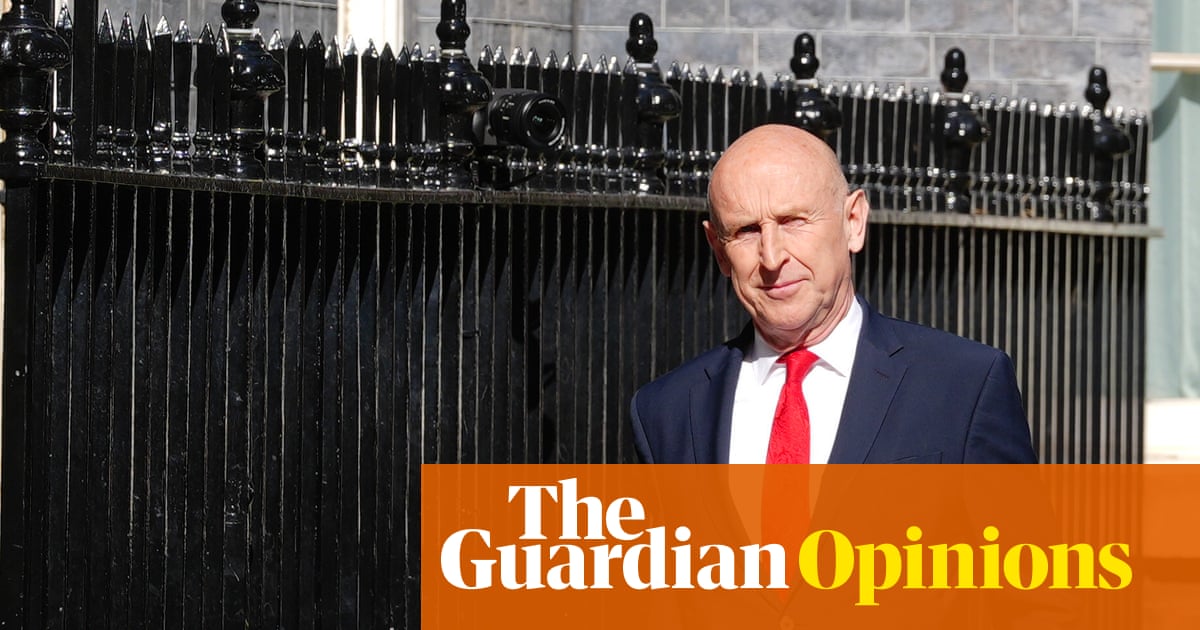
UK defence stocks rally as John Healey appointed chancellor; UK borrows less than expected in June
UK defence stocks surged following the appointment of John Healey as chancellor. Meanwhile, UK grocery inflation eased to 2.6%, its lowest rate since December 2024, and government borrowing in June was lower than anticipated.
Intelligence analysis by Gemini 2.5 Flash Lite
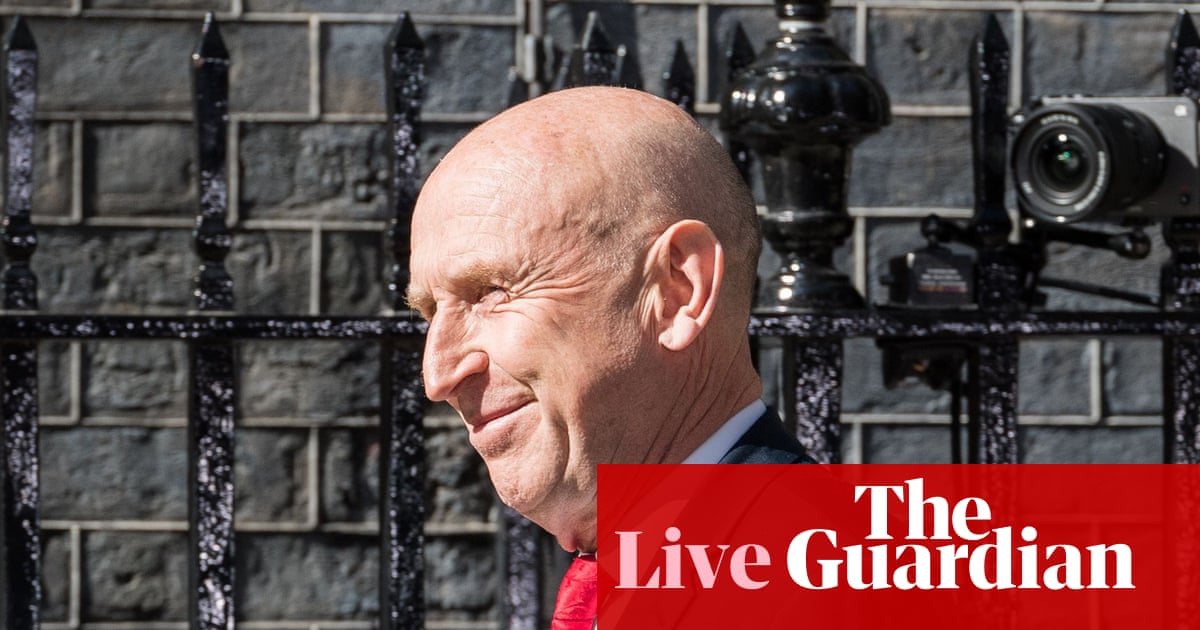
The UK's economic landscape is showing mixed signals. Defence stocks are experiencing a rally on the back of a new chancellor with a defence background, sparking hopes for increased military spending. Concurrently, consumer price pressures are easing, with grocery inflation hitting a multi-year low, though overall spending remains elevated. These developments occur amidst ongoing disc…
Imagine the country's money is like a big piggy bank. When a new person, the 'chancellor,' who used to be in charge of toys for soldiers, takes over the piggy bank, people who make those toys (defence stocks) get excited and think they'll get more money. Also, the price of snacks (groceries) is going up slower now, which is good, but the total amount you spend on snacks is still more than last year.
Analysis
Defence Stocks Soar on Chancellor Appointment
The appointment of John Healey, a former defence secretary, as the new Chancellor of the Exchequer has sent ripples through the UK stock market, particularly benefiting defence companies. Stocks such as Babcock International, BAE Systems, and Qinetiq saw notable gains in early trading. Investors are interpreting Healey's move to the Treasury as a potential precursor to increased defence spending, a policy he has previously advocated for, including the issuance of 'defence bonds'. This optimism, however, is tempered by analysts who caution that the chancellor's role involves balancing numerous competing demands, and defence funding will likely face scrutiny against other pressing government commitments.
Economic Indicators Show Mixed Fortunes
Beyond the defence sector's surge, broader economic data presents a more nuanced picture. Grocery inflation has fallen to 2.6%, the lowest point since December 2024, offering some relief to households grappling with the cost of living. This marks the fifth consecutive month of slowing price rises. Despite this deceleration in inflation, the average annual grocery bill has still increased, indicating that the cumulative impact of higher prices over time remains a significant concern for consumers. The research also highlighted a boost in grocery sales, driven by favourable weather and the World Cup, with increased spending on seasonal items and beverages.
Thames Water Bailout and Trade Tensions
In parallel, the financial stability of critical infrastructure is under scrutiny, with Thames Water investors proposing a 'golden share' to the government in an effort to avert nationalisation. This consortium of institutional investors, holding a substantial portion of the company's debt, is seeking to enhance public control and accountability. The offer signifies a complex negotiation between private capital and public interest in essential services. Furthermore, the article briefly touches upon international trade tensions, referencing potential tariffs on Canadian goods by the US, underscoring the interconnectedness of global economic and political events.
Key points
- UK defence stocks rallied significantly following the appointment of John Healey as Chancellor of the Exchequer.
- Grocery inflation in the UK decreased to 2.6% in the four weeks to July 12, the lowest rate since December 2024.
- Despite easing inflation, the average annual grocery bill has increased, indicating ongoing cost pressures.
- Thames Water investors have offered a 'golden share' to the government to prevent nationalisation.
- Government borrowing in June was lower than initially expected.
The rally in defence stocks suggests investor confidence in a potential increase in military spending under the new chancellor, which could stimulate growth in that sector. Easing grocery inflation offers a positive sign for household budgets, potentially leading to increased consumer spending power if the trend continues and is accompanied by wage growth.
Despite easing inflation, the cumulative cost of groceries remains high, indicating persistent pressure on household finances. The defence sector's gains are speculative, as the new chancellor faces numerous competing demands, and increased military spending is not guaranteed. International trade disputes could also introduce broader economic instability.