UK economy faces recession if strait of Hormuz remains closed, EY warns - business live
EY warns the UK economy could enter recession next year, contracting by 0.2%, if the Strait of Hormuz remains closed until early or mid-2027, disrupting global oil and gas supplies.
Intelligence analysis by Gemini 2.5 Flash

The economic consultancy EY has issued a stark warning that prolonged closure of the Strait of Hormuz, a critical global energy chokepoint, could push the UK into recession in 2027. While EY upgraded its 2026 growth forecast, it highlighted significant uncertainty, with a potential sharp slowdown to 0.5% growth this year and a contraction next year if the waterway remains shut.
Imagine a super important road that carries lots of fuel for cars and planes all over the world. If this road, called the Strait of Hormuz, gets blocked, it's like a huge traffic jam for fuel. A company called EY says if this road stays blocked for a long time, the UK's economy, which is like its piggy bank, could shrink next year, meaning people might have less money and fewer jobs. But if the road opens soon, things might be okay!
Analysis
The Hormuz Chokepoint and UK Economic Fate
EY's latest economic outlook presents a critical juncture for the UK economy, heavily contingent on the geopolitical stability of the Strait of Hormuz. The consultancy projects a potential contraction of 0.2% in the UK's gross domestic product (GDP) next year, following a sharp slowdown to 0.5% growth this year, should the vital waterway remain inaccessible until early or mid-2027. This scenario underscores the profound vulnerability of global energy markets and, by extension, national economies, to disruptions in key shipping lanes through which a fifth of the world's oil and gas typically transits.
Conversely, EY's base case forecast offers a more optimistic trajectory, predicting resilient growth of 0.9% in 2026 and 1.2% in 2027, provided the Strait reopens by the end of the third quarter of the current year. This dual projection highlights the immediate and severe economic consequences of sustained energy supply shocks, including heightened inflation and a more pronounced downturn. Peter Arnold, EY UK chief economist, emphasized that while the UK economy has shown unexpected resilience this year, prompting an upgrade in growth forecasts, ongoing global energy market disruption will test this resilience significantly.
Geopolitical Tensions and Market Reactions
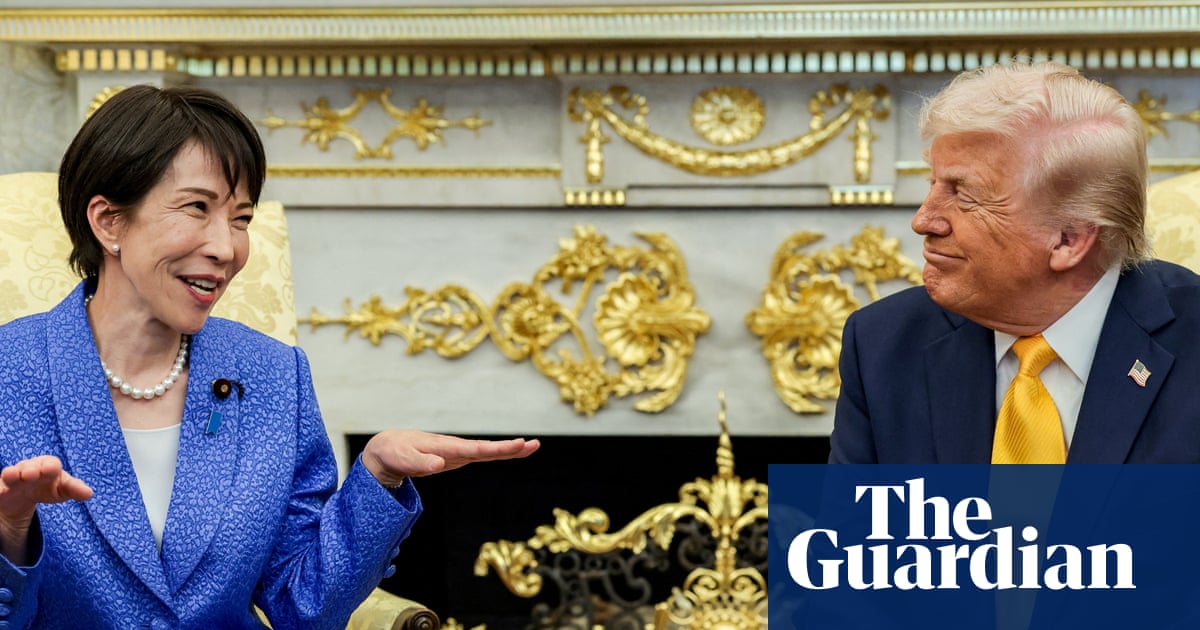
The warning from EY arrives amidst fluctuating tensions in the Middle East, which have a direct bearing on the Strait of Hormuz. Recent developments, including former US President Donald Trump's announcement of cancelling planned military strikes against Iran in anticipation of a deal on its nuclear program and the full reopening of the Strait, illustrate the delicate balance of power and diplomacy in the region. This de-escalation contributed to an immediate market reaction, with international benchmark Brent crude oil prices falling by approximately 5% to $83.49 a barrel, signaling a temporary easing of supply-side fears.
The interplay between geopolitical events and commodity prices is evident, as the prospect of a diplomatic resolution offered a reprieve to energy markets. However, the underlying fragility remains, as any renewed escalation or failure to secure a lasting agreement could quickly reverse these gains and reignite concerns over energy security. The article also notes that some sectors, like the shipping group Clarkson's, have paradoxically benefited from the disruption, reporting record profits due to increased tanker and gas carrier rates, showcasing the complex and varied economic impacts of regional instability.
UK's Internal Economic Strengths and Weaknesses
Beyond the external threat of the Strait of Hormuz, the UK economy faces internal challenges and relies on specific sectors for sustained growth. EY's analysis suggests that as overall growth becomes harder to maintain, the UK will increasingly depend on sectors that have demonstrated strong performance in recent years, particularly technology and high-value business services. These sectors are seen as crucial pillars of economic resilience, capable of underpinning performance even in challenging global conditions.
However, the construction sector presents a contrasting picture, with longstanding pressures remaining a significant concern. Rising project costs, persistent labor shortages, and weak productivity growth risk impeding the delivery of major infrastructure projects, despite high demand. Enhancing productivity within construction is identified as critical for the UK to achieve its infrastructure ambitions and support broader economic expansion. This highlights the need for targeted domestic policies to address structural issues, even as the nation grapples with external geopolitical and economic headwinds.
Key points
- EY warns the UK economy could contract by 0.2% in 2027 if the Strait of Hormuz remains closed until early or mid-2027.
- The Strait of Hormuz is vital, carrying a fifth of the world's oil and gas, and its closure would significantly disrupt global energy markets.
- EY's base case predicts resilient UK growth (0.9% in 2026, 1.2% in 2027) if the Strait reopens by Q3 this year.
- Oil prices fell by about 5% to $83.49 a barrel as tensions in the Middle East eased following reports of cancelled military strikes.
- The UK economy is expected to rely on technology and high-value business services, while construction faces challenges like rising costs and labor shortages.
If the Strait of Hormuz reopens by the end of the third quarter of this year, EY's base case forecast suggests the UK economy will remain fairly resilient, with growth of 0.9% in 2026 and 1.2% in 2027. This scenario would likely prevent a more pronounced downturn and mitigate inflationary pressures.
Should the Strait of Hormuz remain closed until early or mid-2027, the UK economy faces a sharp slowdown to 0.5% growth this year and a contraction of 0.2% next year. This extended closure would significantly raise inflation and push the economy into a recession, testing its resilience.
Market signals
- OIL Oil prices fell by approximately 5% as tensions in the Middle East eased, reducing supply-route risk.
AI-generated analysis of potential market relevance. Not financial advice.