UK House of Lords committee calls on Bank of England to reconsider proposed stablecoin restrictions
A House of Lords committee urged the Bank of England to rethink proposed caps on stablecoin holdings and reserve rules. The report says the limits may be too strict for an early-stage market.
Intelligence analysis by GPT-5.4 Mini
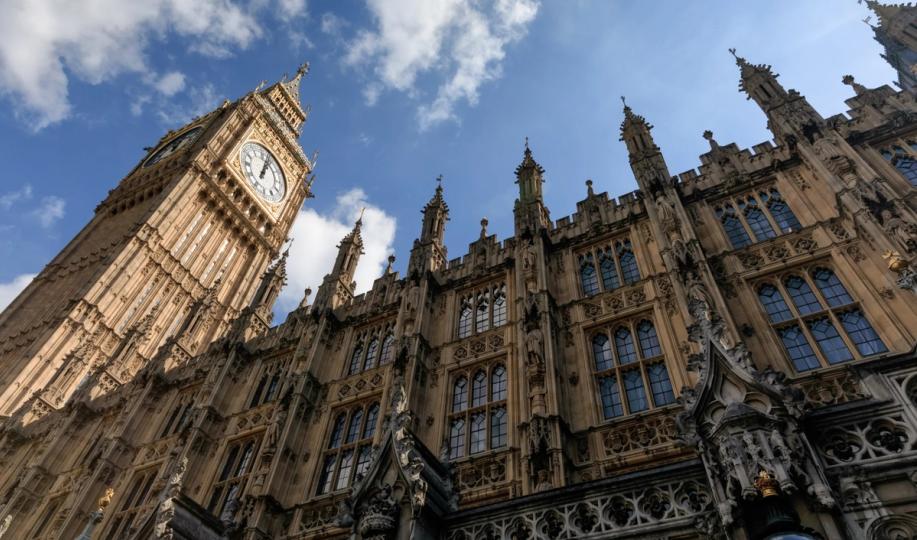
A cross-party House of Lords committee is pushing the Bank of England to soften its proposed stablecoin rules. The report argues the central bank should monitor the market first and only add holding limits if stability risks justify them.
A group of lawmakers told Britain’s central bank to be less strict about digital money tokens. They think it is better to watch the market first, like waiting to see how a new playground game works before adding too many rules.
Analysis
What the committee said
The U.K. Parliament’s Financial Services Regulation Committee said the Bank of England should rethink two parts of its stablecoin proposal: limits on how much stablecoins people and businesses can hold, and a requirement that issuers keep at least 40% of backing assets in non-interest-bearing central bank deposits.
The Bank of England had proposed holding caps of 20,000 pounds for individuals and 10 million pounds for businesses. The committee argued that, given how early the GBP stablecoin market still is, the central bank should watch how the market develops before imposing limits up front. In the committee’s view, limits should come only if clear financial stability risks emerge.
The report also questioned the economics of the backing-asset rule, saying it could materially hurt the viability of stablecoin issuers in the U.K. That concern matters because stablecoin businesses typically need flexible reserve management to operate competitively.
Regulatory direction
The article says the Bank of England is already considering easing its stance. Deputy governor Sarah Breeden recently described the original approach as overly conservative and said the bank is looking at other ways to manage the risks stablecoins may pose.
The broader dispute is about balance: how to protect financial stability without making the U.K. an unattractive place to issue or use stablecoins. The committee’s report suggests lawmakers want a lighter touch than the Bank’s initial proposal, at least until the market is larger and the risks are better understood.
Key points
- A House of Lords committee wants the Bank of England to reconsider proposed stablecoin holding limits.
- The Bank had proposed caps of 20,000 pounds for individuals and 10 million pounds for businesses.
- The committee also questioned a rule requiring 40% of backing assets in non-interest-bearing central bank deposits.
- Lawmakers said limits should come only if financial stability risks clearly justify them.
- The Bank of England has already signaled it may ease its stance.
If the Bank of England softens its proposal, stablecoin issuers could find the U.K. easier to operate in. That could support a more active domestic market while still leaving room for later safeguards if risks grow.
If the Bank keeps the current approach, issuers may find the U.K. market harder to use and less competitive than neighboring markets. The reserve and holding rules could also make it harder for businesses to build stablecoin products at scale.