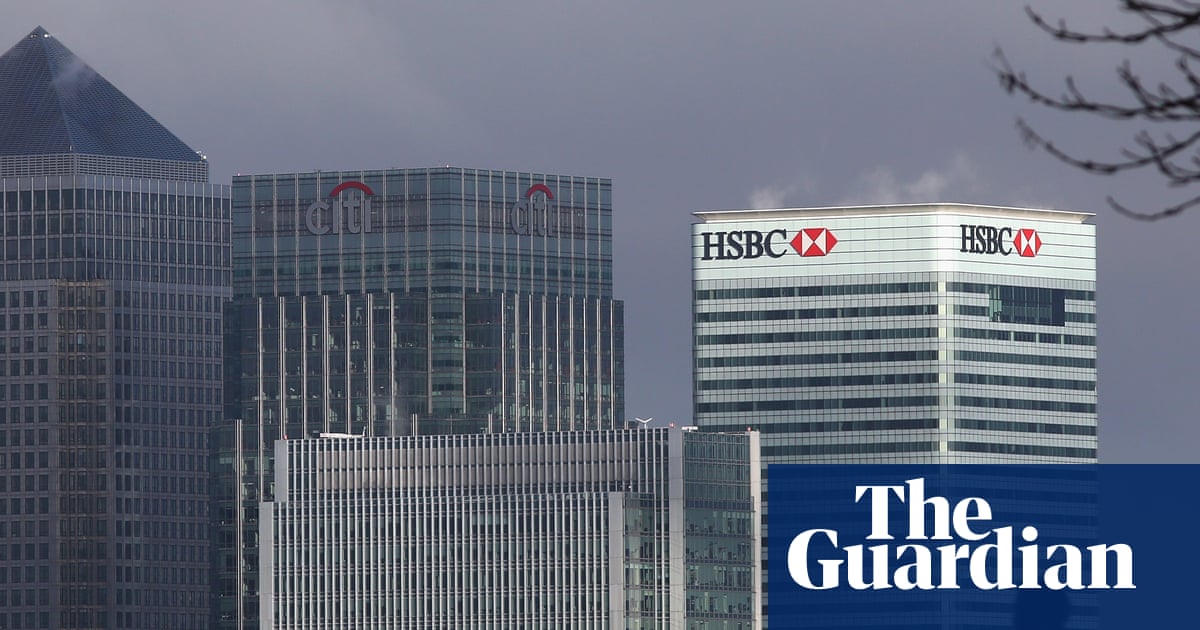
UK house prices fall for first time this year amid rising interest rates
UK house prices fell 0.6% in May as higher mortgage costs and Middle East uncertainty cooled demand, Nationwide said.
Intelligence analysis by GPT-5.4 Mini
UK home prices slipped in May for the first time this year after rising borrowing costs weakened buyer demand. Nationwide said annual growth slowed sharply, while Savills cut its forecast and warned the Iran war has changed the property outlook.
UK house prices went down a little in May for the first time this year. That happened because borrowing money to buy a home got more expensive, so fewer people were ready to buy.
Think of it like a toy shop raising prices on the most popular toys. Some families wait, and when enough people wait, sales slow down. Houses work in a similar way.
Some experts think this dip may not last if money costs stop rising. Others think the market could stay weak if jobs get worse or mortgage payments stay high.
Analysis
What happened
UK house prices fell 0.6% in May from the previous month, according to Nationwide, marking the first monthly decline this year. The typical UK home was priced at £278,024, still 1.7% above a year earlier, but that was a slowdown from 3% annual growth in April.
Why prices cooled
Nationwide’s chief economist Robert Gardner said a “loss of momentum” was expected after uncertainty linked to conflict in the Middle East pushed up energy prices and market interest rates. Mortgage costs have broadly risen in recent months: Moneyfacts put the average two-year fixed rate at 5.68% and the average five-year fix at 5.63% at the end of May.
What the market is saying
Knight Frank’s Tom Bill said the slowdown was arriving at a time when the market would normally be building momentum. He argued higher borrowing costs will chip away at spending power as older low-rate mortgages are replaced.
Savills went further and cut its forecast for house prices this year. It said the Iran war had “fundamentally changed” its outlook and now expects average UK house prices to fall 2% in 2026, reversing an earlier forecast for a 2% rise.
Gardner was less alarmed, saying the impact on affordability has so far been modest and that swap rates remain well below 2023 highs. He added that if the shock fades, energy prices normalise, and rates settle, the softening could be short-lived. But WPI Strategy’s Martin Beck warned the market remains vulnerable because affordability is already stretched and a weaker labour market would be a bigger threat than rates alone.
Key points
- UK house prices fell 0.6% in May, the first monthly drop this year.
- The average UK home was £278,024, up 1.7% year on year.
- Nationwide linked weaker demand to higher market interest rates and Middle East uncertainty.
- Savills cut its 2026 forecast and now expects prices to fall 2% this year.
- Economists said the housing market remains vulnerable if affordability stays stretched or jobs weaken.