UK security services helped devise act that gave amnesty over Troubles killings
Documents show UK policing and security figures helped shape the 2023 Legacy Act, which offered amnesty over Troubles killings and angered victims' groups.
Intelligence analysis by GPT-5.4 Mini
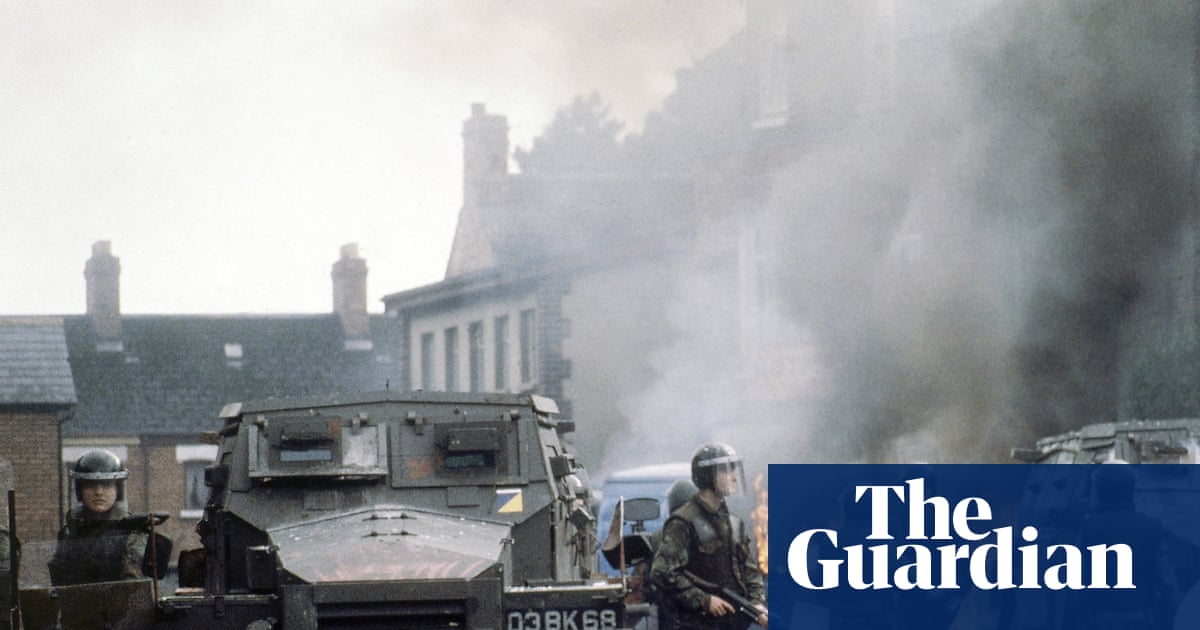
Secret working-group papers suggest the state helped design the Northern Ireland Legacy Act, including its immunity and investigation timetable. The disclosure has deepened concern among victims’ families that the process was built to protect state agencies rather than deliver independent accountability.
A big argument is going on in Northern Ireland about how to deal with old killings from the Troubles. New papers say people from the police and security services helped plan a law that could stop some cases from being investigated or prosecuted.
That makes some families very upset. They feel the people who should have been checked were partly helping write the rules, like a referee helping design the game.
The law was meant to help move old cases forward, but critics say it may have made things worse by closing doors instead of opening them for the people still looking for answers.
Analysis
What the documents show
The Guardian reports that British security services and senior policing figures were part of a secret policymaking group that helped shape the Legacy Act passed under Boris Johnson’s government. The files, obtained after an eight-month freedom-of-information fight and shared with the Belfast-based Detail, show the legacy senior working group met in 2020 and included figures such as former PSNI chief constable George Hamilton, former UK deputy national security adviser Madeleine Alessandri and a Home Office national security director, Chloe Squires.
Those documents appear to support long-held criticism from victims’ groups that the system was designed with the interests of the state close to the centre of the process. Daniel Holder of the Committee on the Administration of Justice said the group worked behind closed doors to help develop the policy that became the act. Mark Thompson of Relatives for Justice rejected Hamilton’s reported remark that families would welcome information recovery and that only a “small vocal minority” would challenge the plan.
Why it matters
The Legacy Act introduced conditional immunity for soldiers and paramilitaries and also created the ICRIR, the commission meant to examine Troubles cases. The article says the current government removed that immunity after a January vote, and a Northern Ireland Office spokesperson said the group related to the previous government’s legislation, which this government is now repealing and replacing.
The revelation matters because it strengthens claims that the machinery for dealing with the past was not neutral. It also lands against a wider backdrop: the earlier Historical Enquiries Team was closed in 2014 after failing to properly investigate state killings, and critics say the new system has not delivered meaningful progress, with Holder arguing it has already shut down hundreds of cases while the replacement body has yet to complete a single one.
Key points
- Secret documents show policing and security figures helped shape the Legacy Act.
- The act offered conditional immunity over Troubles killings and was deeply contested in Northern Ireland.
- Victims' groups say the disclosures reinforce fears that the process lacked independence.
- The current government has removed the act's immunity and says it is repealing and replacing the law.
- Critics say the replacement body has not yet completed a single case.