UK Targets Kremlin-Linked Crypto Network in Latest Sanctions Round
The UK imposed new sanctions on Russian financial networks using crypto and offshore routes to bypass post-invasion restrictions.
Intelligence analysis by GPT-5.4 Mini
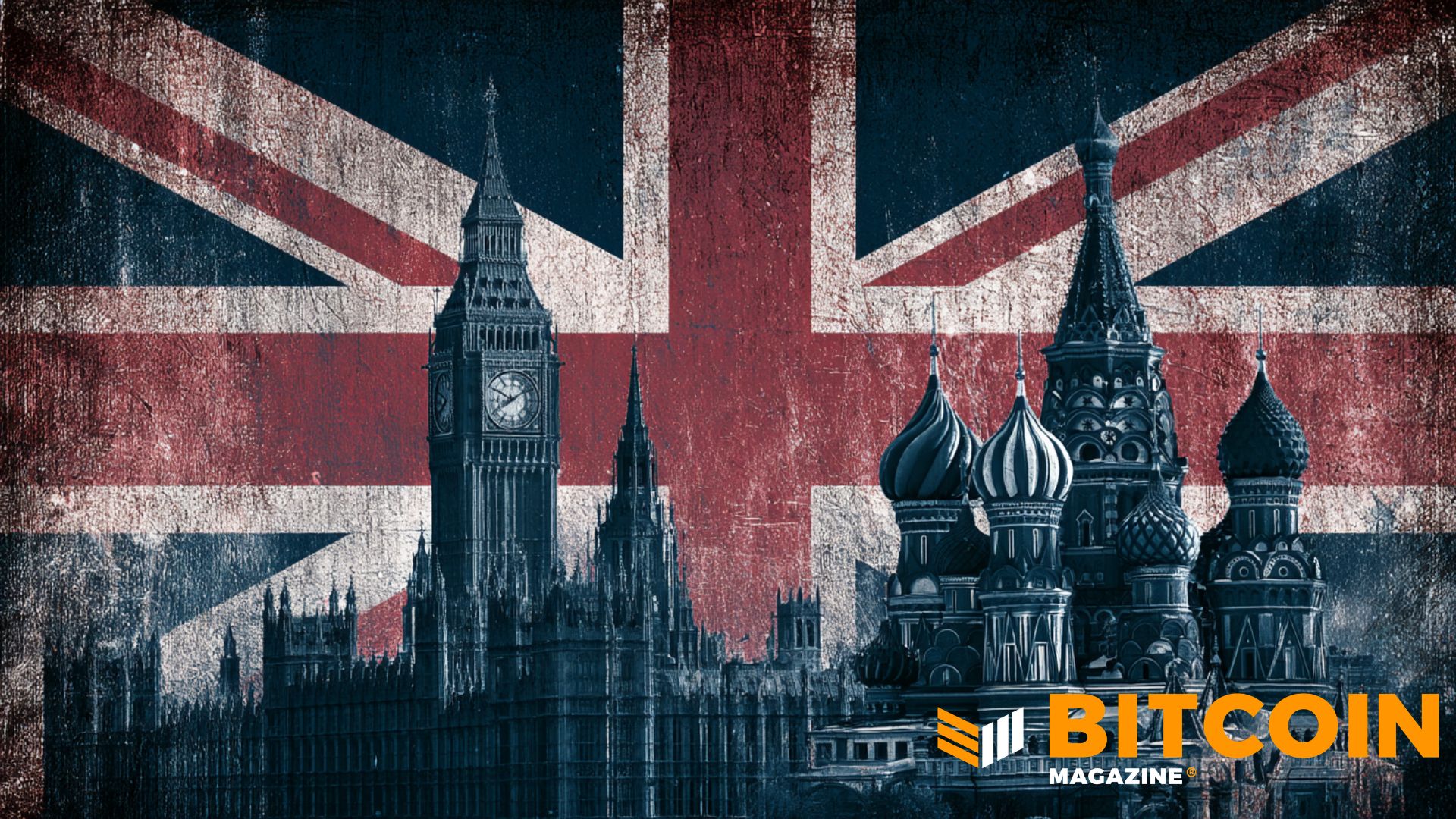
Britain added 18 new sanctions designations aimed at a Kremlin-linked crypto and offshore payments network tied to Russian finance. The package targets the A7 system, related banks, exchanges, and firms that allegedly help move money around sanctions.
The UK says some people tied to Russia are using crypto like a secret shortcut to move money when normal bank roads are blocked. Britain is trying to close those shortcuts.
Imagine a town where some roads are closed, so someone builds sneaky back alleys to carry boxes around. Crypto, in this story, is one of those back alleys.
The UK says it will keep looking for the people and companies helping move the boxes, and it believes those actions are making it harder for Russia to pay for the war.
Analysis
What the UK targeted
The UK announced a new sanctions package against Russian financial structures that use crypto and offshore payment channels to work around restrictions imposed after the invasion of Ukraine. According to the article, the package includes 18 new designations and focuses on the Kremlin-backed A7 network, a ruble-based settlement system, plus exchanges and firms routing payments through Kyrgyzstan and Georgia.
Foreign Secretary Yvette Cooper said the measures are aimed at the backbone of Russia’s illicit finance channels. The article says the list includes a Kyrgyz bank suspected of handling A7 flows, a major global cryptocurrency exchange that has sent more than $1.5 billion to entities close to the Kremlin, and three Georgian companies that run Russia-focused trading platforms.
Why crypto is in the middle of it
The story frames A7 as a central tool in Russia’s attempt to blunt Western sanctions. It describes A7 as a cross-border settlement platform tied to a ruble-backed token called A7A5 and linked to Promsvyazbank, a state lender that supports Russia’s defense sector. The UK government says A7 claims to have moved more than $90 billion in the past year, which officials say is close to half of Russia’s annual military spending.
The article also cites separate research and journalistic probes saying A7-connected wallets and entities handle a significant share of cross-border transfers for sanctioned oligarchs and state-linked businesses. It says Western authorities and crypto analytics firms have increasingly flagged crypto as a replacement for severed bank links.
Wider pressure on Russia
The sanctions arrive as Russia’s own economic outlook weakens under pressure. The article notes that the Economy Ministry cut its 2026 growth forecast to 0.4% from 1.3%, and reduced its 2027 estimate to 1.4% from 2.8%.
Since the full-scale invasion in 2022, Britain says it has sanctioned more than 3,300 individuals, companies, and vessels linked to the Kremlin. The government estimates international sanctions have stripped more than $450 billion from Russia’s economy.
Key points
- The UK added 18 new sanctions designations aimed at Russian financial networks using crypto and offshore routes.
- The package targets the Kremlin-backed A7 system, related banks, exchanges, and firms in Kyrgyzstan and Georgia.
- The article says A7 claims to have moved more than $90 billion in the past year.
- Officials say crypto is helping Russia replace severed bank links and move sanctions-busting payments.
- Britain says it has sanctioned more than 3,300 Russia-linked people, companies, and vessels since 2022.