Ukraine launches drone attack on Russian oil refining facilities – Europe live
Ukraine launched a drone attack on Russia's Nizhnekamsk, killing 12 and injuring 39, targeting a major oil refinery, with President Zelenskyy linking strikes to pressure on Moscow.
Intelligence analysis by Gemini 2.5 Flash
Ukrainian drone attacks deep inside Russia, including a deadly strike on an oil refinery in Nizhnekamsk, mark an escalation in Kyiv's strategy to pressure Moscow. President Zelenskyy stated these strikes are directly aimed at forcing Russia to end the war, while Russia has opened a criminal investigation into the incident, labeling it a 'terrorist attack'.
Imagine two kids fighting, and one kid keeps hitting the other kid's toy factory to make them stop playing. That's kind of what's happening here: Ukraine is using flying robots called drones to hit Russia's oil places, which are like big factories that make fuel. Ukraine's leader says they're doing this to make Russia stop the fight. Sadly, some people got hurt, and Russia is very upset, calling it a 'terrorist attack.' It also seems like another country, North Korea, might send soldiers to help Russia, making the fight even bigger.
Analysis
The ongoing conflict between Ukraine and Russia has seen a significant escalation with Ukraine's increasing use of drone attacks targeting Russian infrastructure. These strikes, particularly those on oil refining facilities, represent a strategic shift by Kyiv to exert economic and psychological pressure on Moscow. The latest attack on Nizhnekamsk, located approximately 1,000 kilometers within Russia, underscores Ukraine's growing capability to strike distant targets, challenging Russia's internal security and its ability to protect vital assets.
Nizhnekamsk
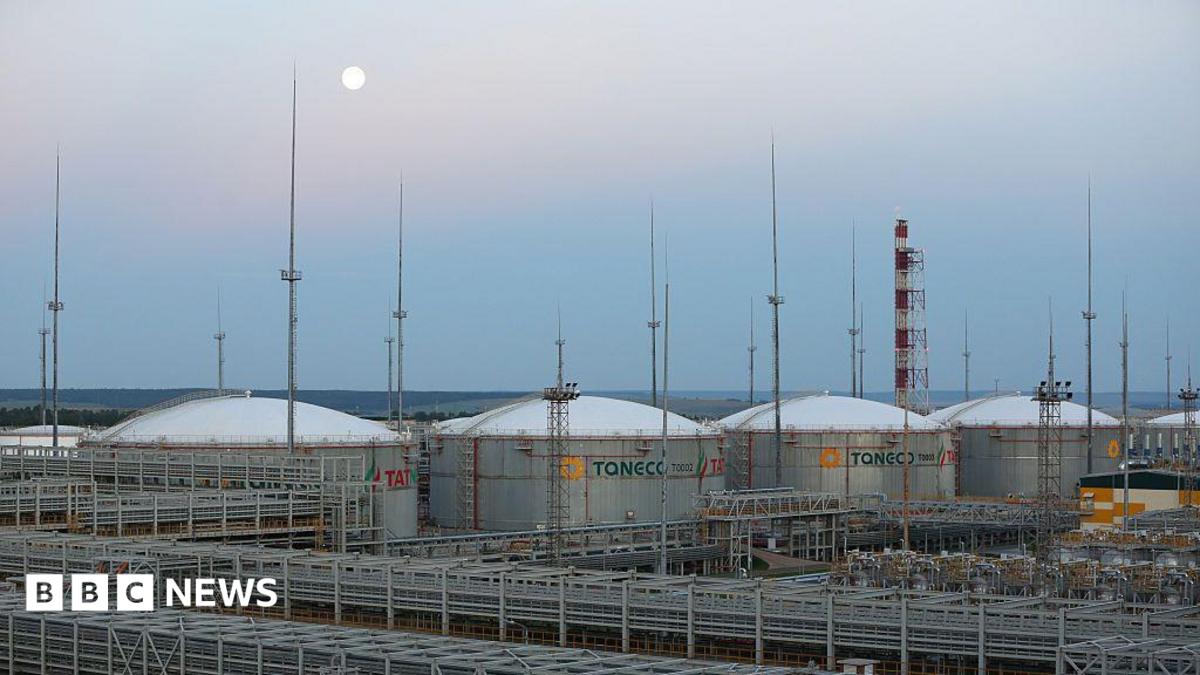
The city of Nizhnekamsk in Russia's Tatarstan region became the site of one of the most deadly Ukrainian attacks since 2022, resulting in 12 fatalities and 39 injuries. Russian authorities quickly condemned the incident as a 'terrorist attack' and initiated a criminal investigation, with the head of Tatarstan, Rustam Minnikhanov, declaring a period of mourning. The primary target, a major and technologically advanced oil refinery, had previously been hit by Ukrainian forces in June, indicating a sustained effort to disrupt Russia's energy sector. The Russian central bank has also advised creditors to support businesses affected by these attacks, particularly those on logistics centers and warehouses, highlighting the broader economic impact within Russia.
Volodymyr Zelenskyy
Ukraine's President Volodymyr Zelenskyy explicitly linked the continuing strikes on Russian oil refining facilities to the objective of increasing pressure on Moscow. In his nightly address, Zelenskyy asserted that the war persists solely due to Russia's unwillingness to end it, framing these attacks as a necessary measure to compel a cessation of hostilities. This public acknowledgment reinforces Ukraine's strategic intent behind these operations, signaling a commitment to disrupt Russia's war economy and its capacity to sustain the conflict. The Ukrainian president also claimed that up to 50,000 North Korean soldiers are expected to be deployed in Russia, an increase from previous estimates, further emphasizing the international dimensions of the conflict and Ukraine's call for more air defense support from South Korea.
North Korean soldiers
A significant development highlighted by President Zelenskyy is the anticipated deployment of up to 50,000 North Korean soldiers in Russia, an increase from the 30,000 estimated in July. This potential influx of foreign troops underscores the deepening military cooperation between Russia and North Korea, with Kyiv also reporting the discovery of North Korean missiles on Ukrainian territory. Zelenskyy warned that North Korea would gain valuable experience in modern warfare and receive military tools and licenses from Russia, posing a long-term concern for regional and global security. This alliance further complicates the geopolitical landscape of the conflict, potentially introducing new dynamics and challenges for Ukraine and its allies.
Key points
- Ukraine launched a drone attack on Nizhnekamsk, Russia, killing 12 and injuring 39, targeting a major oil refinery.
- Ukrainian President Volodymyr Zelenskyy stated that strikes on oil refining facilities are directly linked to pressuring Moscow to end the war.
- Russia has opened a criminal investigation into the Nizhnekamsk attack, labeling it a 'terrorist attack' and reporting civilian casualties.
- The Russian central bank advised banks to support businesses affected by Ukrainian attacks on logistics centers and warehouses.
- Ukraine claims up to 50,000 North Korean soldiers are expected to be deployed in Russia, an increase from previous estimates.
The escalation of drone attacks deep into Russian territory risks further intensifying the conflict, potentially leading to increased civilian casualties on both sides and a prolonged war. The reported deployment of North Korean soldiers in Russia could also introduce new military capabilities and further entrench the conflict, making a peaceful resolution more distant.
Market signals
- OIL Attacks on Russian oil refining facilities could disrupt supply, potentially leading to an increase in global crude oil prices.
AI-generated analysis of potential market relevance. Not financial advice.