At least 13 killed in Ukrainian drone strike on Russia's Tatarstan region, officials say
A Ukrainian drone strike on Russia's Tatarstan region killed at least 13 people, including one child, and injured 39 others, according to Russian officials.
Intelligence analysis by Gemini 2.5 Flash
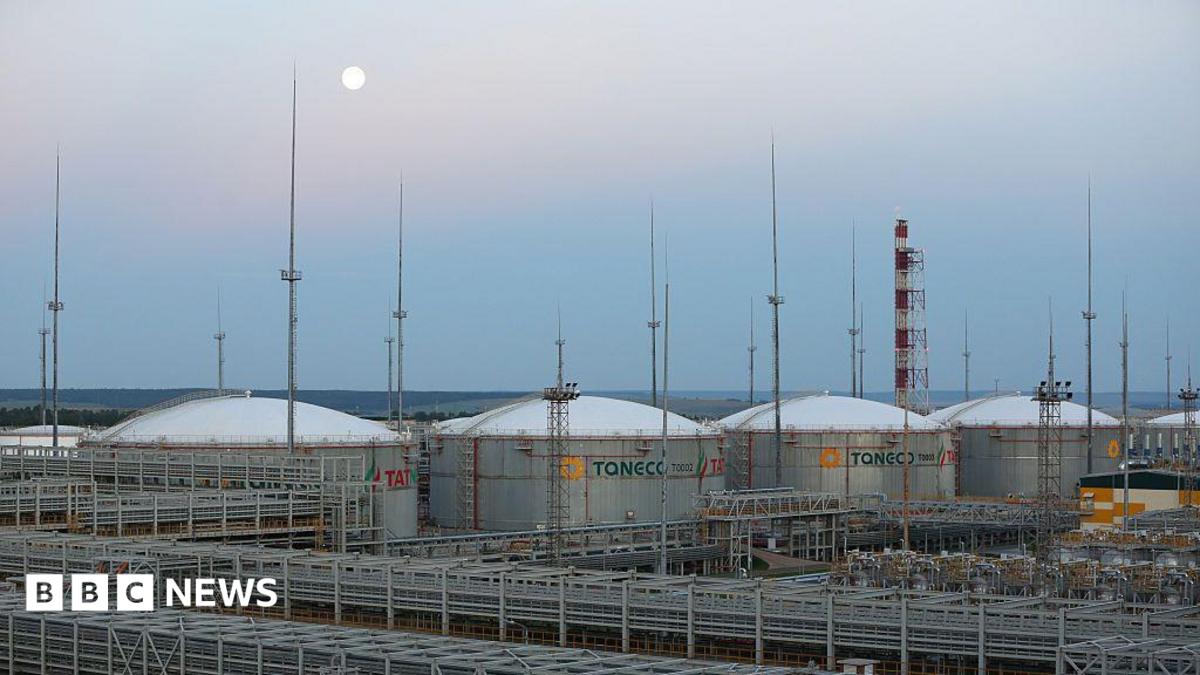
The attack, one of the deadliest on Russian territory since the full-scale invasion of Ukraine began, targeted industrial facilities and residential areas in Nizhnekamsk, over 1,100 kilometers from the Ukrainian border. Kyiv has not commented, but Russia confirmed the targeting of major oil refineries and a petrochemical company.
Imagine two countries, Ukraine and Russia, are having a big fight. Usually, the fighting happens closer to Ukraine. But now, Ukraine used special flying robots called drones to hit a place in Russia called Tatarstan, which is very, very far away, like flying a toy plane across many states. Sadly, these drones killed 13 people, including a child, and hurt many more. Russia says the drones hit factories that make important things, but also homes. It shows that the fight is getting bigger and reaching places it didn't before.
Analysis
The recent drone strike on Russia's Tatarstan region represents a notable expansion of Ukraine's operational reach and a severe blow to Russia's domestic security. The attack, occurring over 1,100 kilometers from the Ukrainian border, underscores Kyiv's evolving drone capabilities and its willingness to target strategic assets far from the front lines. This deep penetration into Russian territory signals a new phase in the conflict, where previously considered safe zones are now vulnerable, potentially forcing Russia to divert air defense resources from the front. The incident also highlights the increasing human cost of the war, with Russian officials reporting a significant number of casualties.
Tatarstan
The targeting of Tatarstan is particularly significant due to its geographical distance from Ukraine and its economic importance to Russia. Located deep within Russia, Tatarstan is a major industrial hub, home to critical energy infrastructure that fuels Russia's war effort. The strike demonstrates Ukraine's ability to bypass extensive Russian air defenses and deliver payloads to distant targets, challenging Moscow's narrative of control and security within its own borders. This strategic shift could have broader implications for the conflict, potentially disrupting Russian logistics and revenue streams.
This attack on a region so far from the front lines suggests a deliberate strategy by Ukraine to exert pressure on Russia's industrial and economic base. By striking facilities that contribute to Russia's military capabilities, Ukraine aims to degrade Moscow's ability to sustain its war in Ukraine. The psychological impact of such deep strikes on the Russian populace, who may have previously felt insulated from the conflict, could also be a factor, potentially increasing domestic pressure on the Kremlin.
Nizhnekamsk
The city of Nizhnekamsk, specifically mentioned as a target, hosts several major oil refineries and a large petrochemical company. These facilities are vital components of Russia's energy sector, which is a primary source of revenue for the state budget and directly supports its military operations. Disrupting these operations could have a tangible impact on Russia's economic stability and its capacity to fund the ongoing war. The strike lasted several hours, indicating a sustained and coordinated effort to inflict maximum damage on these strategic targets.
Targeting such critical infrastructure aligns with Ukraine's stated objective of degrading Russia's war machine. While Kyiv has not officially commented on this specific attack, it has consistently emphasized its right to strike facilities that contribute to Russia's aggression. The damage to these industrial sites, if substantial, could lead to production shortfalls and increased costs for Russia, further straining its resources amidst international sanctions and the ongoing conflict.
13 Killed
The tragic loss of at least 13 lives, including one child, and the injury of 39 others, underscores the devastating human toll of the conflict's escalation. Russian authorities confirmed that civilian individuals were present and affected, leading to a period of mourning declared in Tatarstan. The high number of casualties makes this one of the deadliest single attacks on Russian territory since the war began, intensifying the humanitarian aspect of the conflict.
These civilian casualties are a stark reminder of the brutal reality of modern warfare, where non-combatants often bear the brunt of hostilities. The head of Tatarstan, Rustam Minnikhanov, and Nizhnekamsk mayor Radmir Belayev expressed profound grief, highlighting the deep pain inflicted upon the local community. Such incidents inevitably fuel calls for retaliation and further entrench the cycle of violence, making prospects for de-escalation increasingly challenging.
Key points
- At least 13 people were killed, including one child, and 39 injured in a Ukrainian drone strike on Russia's Tatarstan region.
- The attack targeted industrial facilities and residential areas in Nizhnekamsk, over 1,100 kilometers from the Ukrainian border.
- Russian officials confirmed major oil refineries and a large petrochemical company were among the targets.
- Kyiv has not commented on the strike, but has recently increased long-range attacks on facilities contributing to Russia's war effort.
- The incident is one of the deadliest single attacks on Russian territory since the start of Moscow's full-scale war in Ukraine.
The drone strike deep within Russia's Tatarstan region risks further escalation of the conflict, potentially leading to increased retaliatory attacks by Moscow on Ukrainian cities and infrastructure. The rising civilian casualties on both sides could harden positions, making any future peace negotiations even more difficult and prolonging the devastating war.
Market signals
- OIL Ukrainian drone strikes on Russian oil refineries and petrochemical facilities, as reported, could disrupt energy supply and increase market uncertainty.
AI-generated analysis of potential market relevance. Not financial advice.