Ukraine's Attack on Two Russian Vessels Linked to Iran; Tehran: An Iranian Commercial Ship Was Targeted
Ukraine claims to have targeted two Russian vessels in the Caspian Sea used for military cargo linked to Iran. Iran denies this, stating one was an Iranian commercial ship, resulting in one death and several injuries, and has summoned Ukraine's envoy.
Intelligence analysis by Gemini 2.5 Flash
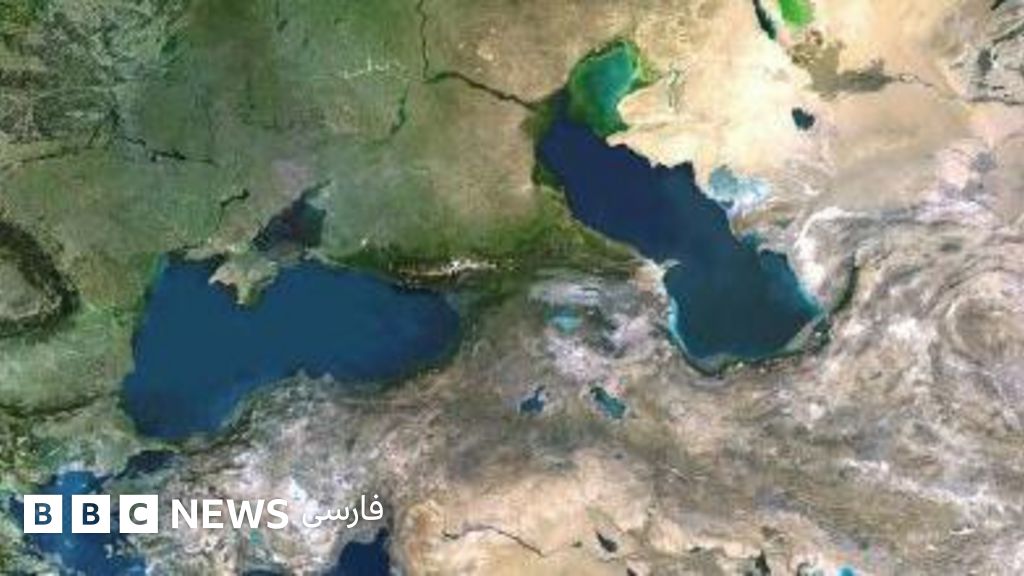
The conflict between Russia and Ukraine has extended to the Caspian Sea, with Ukraine claiming to target vessels involved in military transfers with Iran. Iran condemns the attack, asserting a commercial ship was hit, escalating diplomatic tensions and raising concerns about regional war expansion.
Imagine two big countries, Russia and Ukraine, are fighting. Ukraine says it attacked some boats in a big lake called the Caspian Sea because they were helping Russia with military stuff from another country, Iran. But Iran says one of the boats was just a regular trading ship, and people got hurt, making them very angry.
Analysis
Escalation in the Caspian Sea
The recent Ukrainian attack on vessels in the Caspian Sea marks a significant geographical expansion of the ongoing conflict with Russia, directly implicating Iran. Kyiv claims to have targeted two Russian vessels involved in transporting military cargo linked to Iran, a move that underscores Ukraine's increasing capability to strike targets far from its borders. This is not the first time the Caspian Sea has become a theater for the conflict; Ukraine previously attacked a Russian oil field and vessels allegedly used for arms transfers between Russia and Iran. The repeated targeting of assets in this strategic body of water highlights a deliberate strategy by Ukraine to disrupt Russian logistical and economic interests, particularly those perceived to be supported by Tehran.
Iran's Denials and Diplomatic Response
Iran has vehemently denied Ukraine's assertions, stating that one of the targeted vessels was an Iranian commercial ship, resulting in one fatality and several injuries. This counter-narrative frames the incident as an "aggressive act" and a violation of international law, specifically the UN Charter. Tehran's swift diplomatic response, including summoning Ukraine's interim chargé d'affaires and calling on the European Union to hold Ukraine accountable, signals the gravity with which Iran views this development. The Iranian Foreign Ministry's spokesperson, Ismail Baghaei, explicitly warned that such actions could lead to the expansion of the Russia-Ukraine war, indicating a potential for further escalation if Iran perceives its interests or sovereignty to be directly threatened.
Broader Implications for Regional Security
The incident carries profound implications for regional security and international relations. The Caspian Sea, historically governed by agreements among its littoral states (Iran, Russia, Azerbaijan, Kazakhstan, Turkmenistan) to remain non-military, has now become a contested zone. Russia itself previously used the Caspian for missile strikes in Syria and against Ukraine, actions that Ukraine cited as violations of the Caspian Convention. The current attack, coupled with Iran's alleged role in supplying military equipment to Russia, further complicates the delicate balance of power in the region. It risks drawing Iran deeper into the conflict, potentially inviting more international scrutiny and sanctions, and could destabilize a critical energy and trade corridor, impacting global markets and geopolitical alignments.
Key points
- Ukraine claims to have targeted two Russian vessels in the Caspian Sea, alleging they transported military cargo linked to Iran.
- Iran denies Ukraine's claim, stating one targeted vessel was an Iranian commercial ship, resulting in one fatality and several injuries.
- Iran's Foreign Ministry condemned the attack as "aggressive" and a violation of the UN Charter, summoning Ukraine's interim chargé d'affaires.
- Iran warned that such actions could lead to the expansion of the Russia-Ukraine war.
- The incident highlights the expanding geographical scope of the Russia-Ukraine conflict into the Caspian Sea, a region previously agreed upon for non-military use by littoral states.
The incident could lead to further escalation of the Russia-Ukraine war, potentially drawing Iran more directly into the conflict and increasing instability in the Caspian Sea region, which is crucial for energy and trade. Iran's strong condemnation and warning of war expansion underscore the severe risks.
Market signals
- OIL Attacks on oil infrastructure and vessels in the Caspian Sea raise concerns about supply stability and regional conflict, potentially driving oil prices higher.
AI-generated analysis of potential market relevance. Not financial advice.