UN says the number of refugees fell for the first time in a decade
The UN says global forced displacement fell in 2025 for the first time in 10 years, but the number remains extremely high. It also warned that many returns home were unsafe or under pressure.
Intelligence analysis by GPT-5.4 Mini
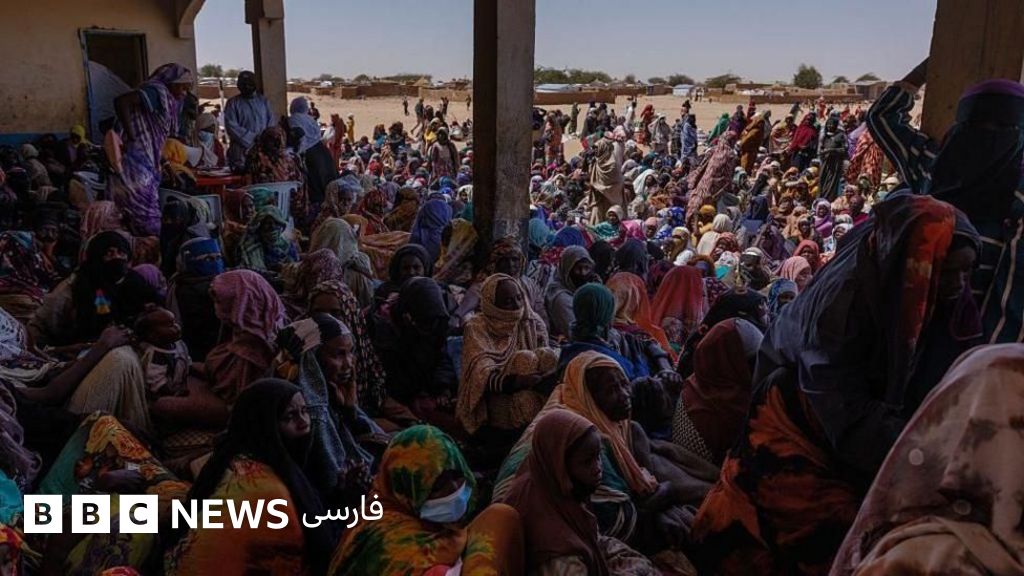
A UN report says the total number of forcibly displaced people dropped in 2025 because millions returned home, including refugees crossing borders. But the agency says the overall figure is still alarmingly high and that many returns were not truly safe or stable.
The UN says fewer people were forced to leave their homes last year, mostly because some went back. But many of those homes were still broken or unsafe, like trying to move back into a house before the roof is fixed.
Analysis
What changed
The UN refugee agency says the global number of forcibly displaced people fell for the first time in a decade. By the end of 2025, it counted 117.8 million displaced people worldwide, down 5.4 million from a year earlier.
Why the total fell
The drop was driven by large-scale returns. The report says 14.7 million displaced people went back home in 2025, including 4.4 million refugees who crossed back over borders. That was the second-highest annual refugee return on record since statistics began 60 years ago.
The warning
The agency stressed that the overall level of displacement is still "unacceptably high" and that many returns were not made in safety or stability. According to the UN refugee chief, many people went back to damaged areas with very limited basic services and weak economic opportunities. He warned that unsafe returns can restart a new cycle of displacement.
What this means regionally
The report says more than 90% of refugees who returned home last year were from Afghanistan, Sudan, and Syria. It also says 70% of refugees are now long-term displaced, which the agency says is not sustainable.
The report highlights recent crises that have pushed new waves of displacement, including fighting in Sudan, the war in Ukraine, and a Middle East war that the report says began with US and Israeli attacks on Iran in February. It says that conflict displaced 3.2 million people inside Iran and more than one million in Lebanon.
Resettlement is tightening
The agency says 2.9 million refugees need resettlement in third countries, but places available have fallen sharply. Resettlements dropped to 81,800 in 2025 from 188,800 in 2024, with the biggest decline visible in admissions to the United States. The UN says the gap between need and available places is widening.
Key points
- The UN says forced displacement fell in 2025 for the first time in a decade, to 117.8 million people.
- The decline came mainly from 14.7 million people returning home, including 4.4 million refugees.
- The agency says many returns were not truly safe and could trigger a new cycle of displacement.
- The report says more than 90% of returning refugees were from Afghanistan, Sudan, and Syria.
- It warns that resettlement capacity is shrinking even though 2.9 million refugees need it.
If returns continue in safer conditions, more displaced families could rebuild their lives at home instead of staying uprooted for years. The new push for voluntary return, resettlement, and humanitarian visas could also help reduce long-term displacement over the next decade.
If returns keep happening under pressure or into damaged areas, people may be forced to flee again. The sharp drop in resettlement places also means many refugees could remain stuck for longer, with fewer legal paths to stability.