UN: War in the Middle East Puts Millions at Risk of Hunger
The World Food Programme says war-driven fuel and transport costs are raising food prices and forcing aid cuts. It warns that millions in Afghanistan, Somalia and Sri Lanka are among the most exposed.
Intelligence analysis by GPT-5.4 Mini
The World Food Programme says the conflict in the Middle East is worsening hunger far beyond the region by pushing up fuel, shipping and food costs while aid funding shrinks. It says the pressure is already hitting vulnerable households and could deepen sharply if disruptions continue.
The article says war can act like a big traffic jam for food and fuel. When ships and trucks have to take longer, more expensive routes, food gets pricier and aid gets harder to deliver, so more people can end up hungry.
Analysis
The warning
The World Food Programme says the war in the Middle East is putting millions more people at risk of hunger because higher fuel and transport costs are lifting food prices, while aid agencies are being forced to cut back due to funding shortfalls.
Who is most exposed
The agency says households in Afghanistan, Somalia and Sri Lanka are among the most vulnerable. It says the crisis is already squeezing families through higher fuel costs, more expensive food, lower incomes and disrupted trade.
The regional spillover
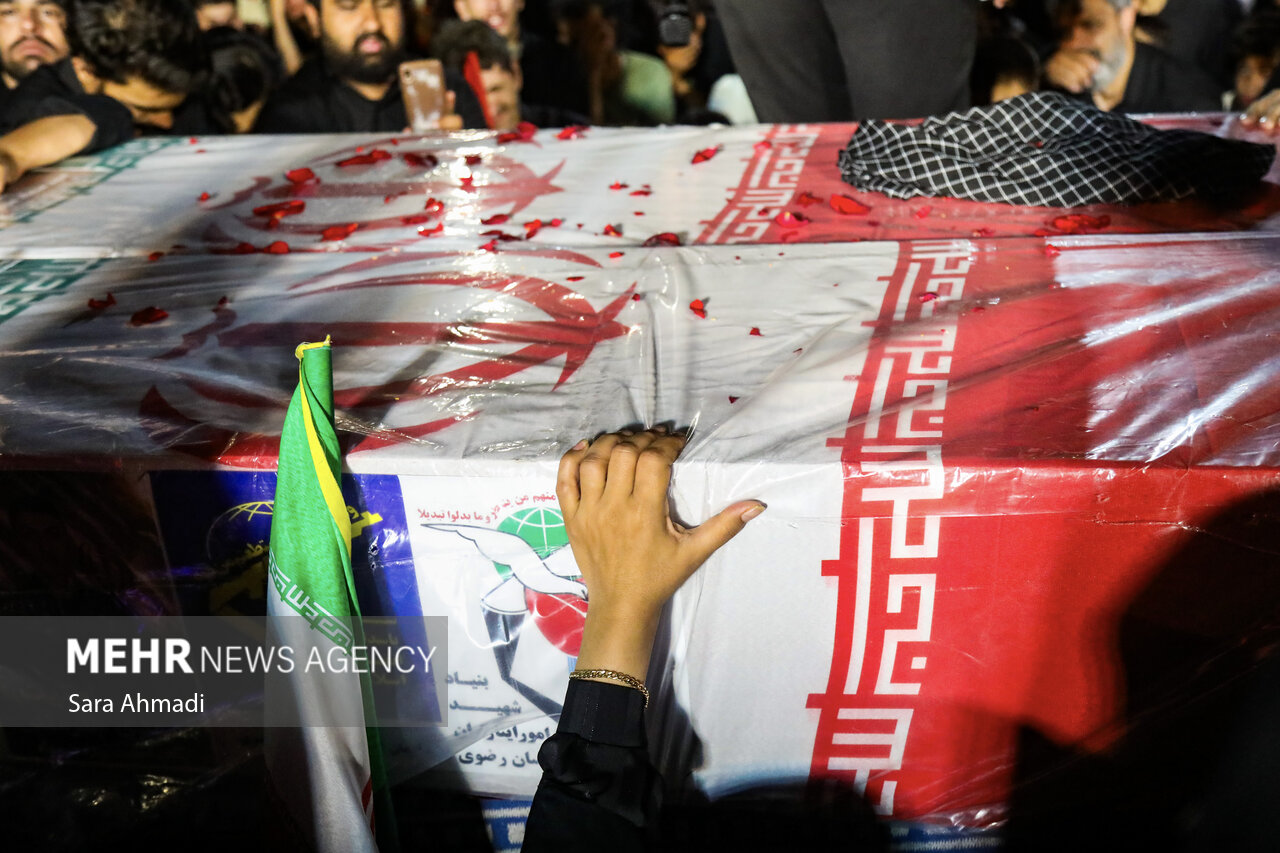
According to the article, joint U.S. and Israeli attacks on Iran in February sparked a regional war across the Persian Gulf that spread to Lebanon and disrupted key shipping routes, including the Strait of Hormuz. That forced ships to reroute and sharply constrained global energy and supply chains.
The World Food Programme had warned in March that if oil prices stayed around $100 a barrel through the end of June, as many as 45 million people could face acute food shortages and hunger. It now says that scenario is unfolding.
The numbers the agency gave
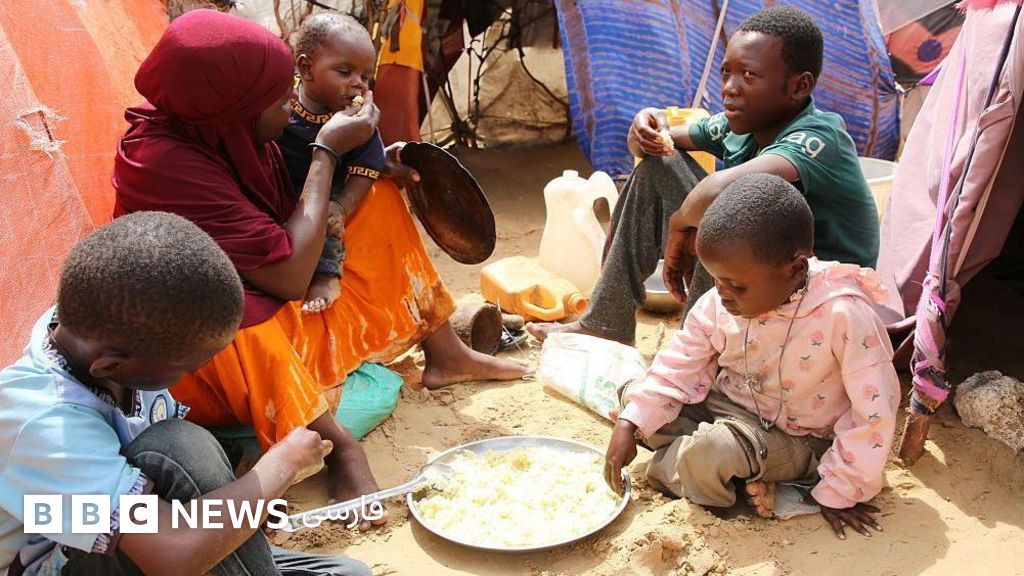
The article says the World Food Programme expects 6.5 million people in Somalia to face severe hunger in 2026, roughly one-third of the population. It also says 17.4 million people in Afghanistan could be affected by food shortages.
The agency warned that if disruptions continue, another 2.5 million people in Somalia and 2.3 million more in Afghanistan could face severe food insecurity and hunger. It also said it expects 1.5 million fewer people to receive its aid in 2026, with that reduction potentially reaching 9 million more if the situation lasts another six months.
In Afghanistan, the article says soaring fuel prices have pushed humanitarian transport costs up as much as fivefold, while delivery times have stretched from about 10 days to as long as 75 days because trucks must use alternate routes. In Somalia, higher aircraft fuel prices have raised the cost of UN humanitarian flights, which are described as the only safe way to reach some remote areas.
Key points
- The World Food Programme says war in the Middle East is driving up fuel, shipping and food costs.
- It warns that aid funding shortages are forcing organizations to reduce assistance.
- The article says the conflict has disrupted major shipping routes, including the Strait of Hormuz.
- Somalia and Afghanistan are highlighted as especially vulnerable, with millions at risk.
- The agency says transport costs in Afghanistan and humanitarian flight costs in Somalia have surged.
If fuel prices ease and shipping routes stabilize, the pressure on food prices and aid delivery could lessen. The World Food Programme could then reach more people with the same resources, especially in places like Afghanistan and Somalia.
If the disruptions continue, the article says more people will fall into severe food insecurity, while aid agencies are forced to serve fewer people. Longer transport delays and higher fuel costs could make already fragile relief operations much less effective.