UN warns world to prepare for El Nino extreme weather
The WMO says El Nino has an 80% chance of developing between June and August, raising the risk of extreme weather worldwide.
Intelligence analysis by GPT-5.4 Mini
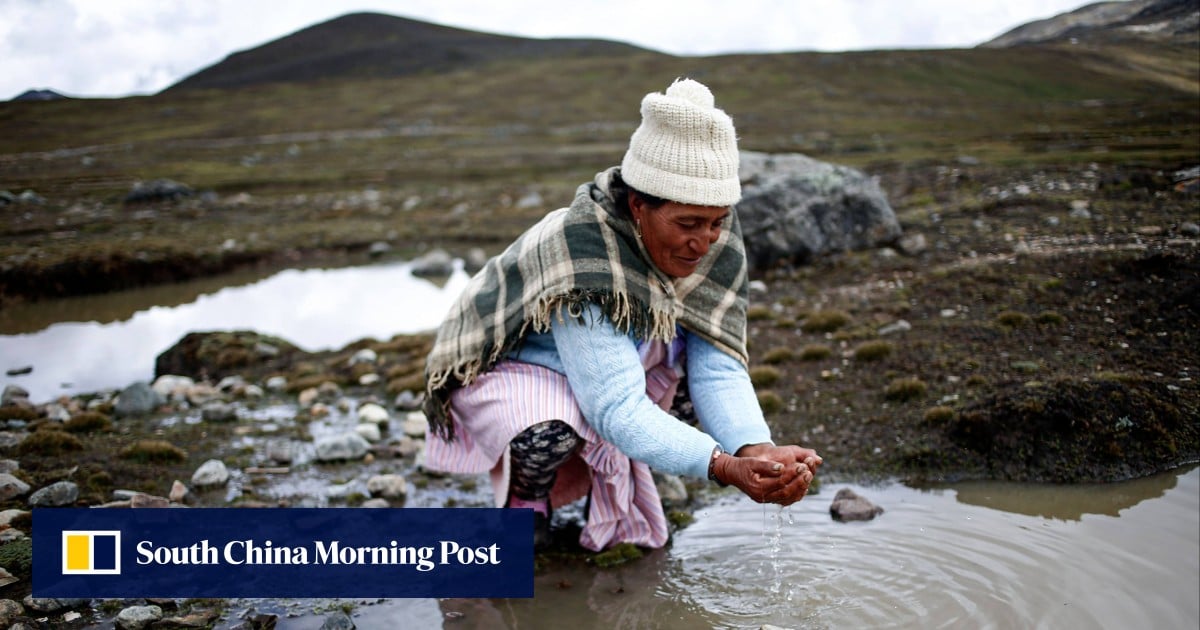
The World Meteorological Organization says conditions are shifting toward El Nino, with a pronounced chance of development in the June-August window and even higher odds by November. The agency warns this could disrupt global temperature and rainfall patterns and increase the risk of heatwaves, drought, heavy rain and floods.
A big patch of ocean water in the Pacific is getting warmer, and that can act like a giant switch that changes weather around the world. The UN weather group says that switch may turn on soon, so places should get ready for hotter, drier, or wetter-than-normal weather.
Analysis
What the WMO is warning about
The World Meteorological Organization says El Nino conditions are now developing and are likely to affect global temperature and rainfall patterns. In its quarterly El Nino/La Nina update, the Geneva-based agency said forecasts from its global network point to a pronounced shift toward El Nino between June and August, with probabilities reaching 80%.
El Nino is a natural climate pattern that warms surface waters in the central and eastern equatorial Pacific Ocean. That warming can change winds, pressure, and rainfall far beyond the Pacific basin. The phenomenon usually comes around every two to seven years and typically lasts about nine to 12 months, with La Nina as its opposite and neutral conditions in between.
Why the warning is serious
The agency said the chance of El Nino developing by November is near or above 90%. It added that most forecast models show the event will be at least moderate, and possibly strong. That matters because stronger El Nino episodes are more often associated with disruptive weather, including heatwaves, drought, heavy rain and floods.
The article does not single out China, but the warning is relevant to any country trying to plan for food supply, water stress, transport disruptions, or disaster response. The key message from the WMO is that the world may have a short window to prepare before the pattern fully settles in.
Key points
- The WMO says El Nino has an 80% chance of developing between June and August.
- By November, the likelihood is near or above 90%, the agency said.
- El Nino can change global temperature and rainfall patterns.
- The WMO said most models point to at least a moderate event, possibly strong.
- The expected impacts include heatwaves, drought, heavy rain, and floods.
If the forecast holds and the warning is heeded early, governments and communities have time to prepare for weather shocks. That could help limit damage from heatwaves, drought, heavy rain, and floods if El Nino strengthens.
The downside is that an El Nino event could become moderate or strong, raising the risk of widespread weather disruption. If the world is unprepared, the pattern could intensify heat, drought, flooding, and other extremes while it is active.