Uncertainty Before US Mail-In Voting as Strategy
The US Supreme Court's recent decision on mail-in voting has created uncertainty, which could be detrimental to democratic elections. The court's decision has not yet addressed the question of who has the authority to determine who can vote by mail, but the damage is alre…
Intelligence analysis by Llama
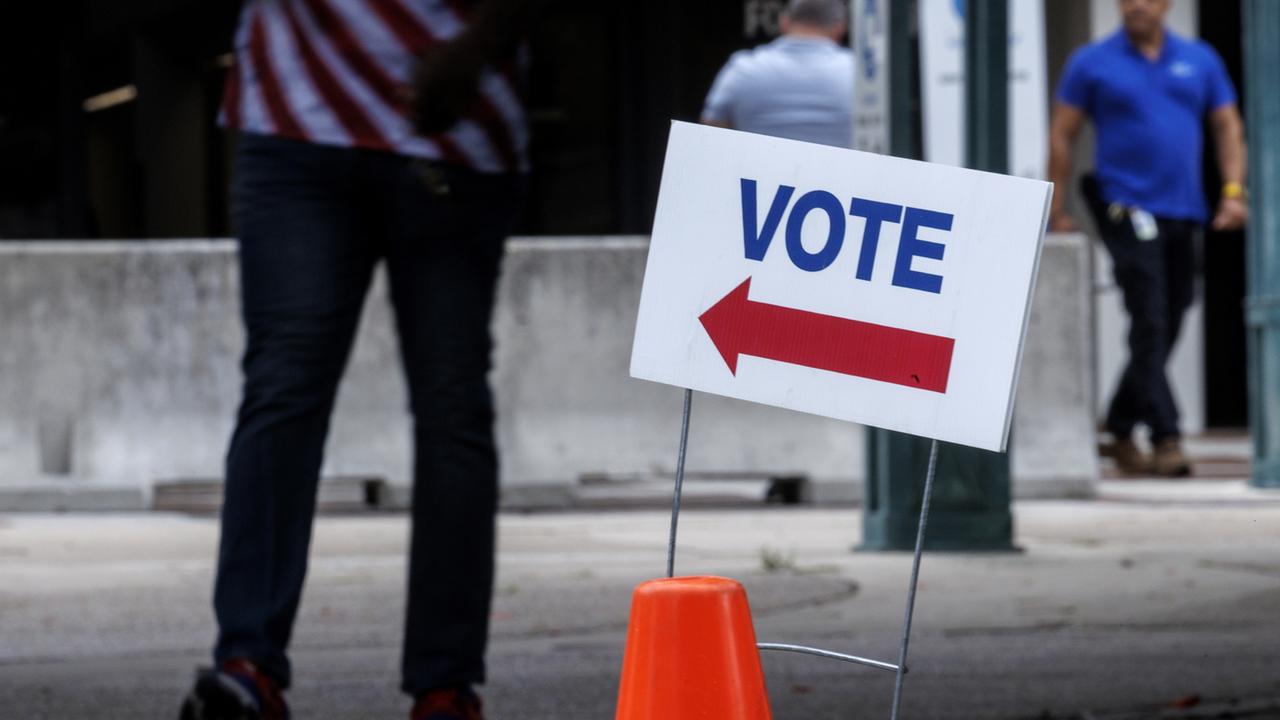
The US Supreme Court's decision on mail-in voting has created uncertainty, which could be detrimental to democratic elections. The court's decision has not yet addressed the question of who has the authority to determine who can vote by mail, but the damage is already done. This uncertainty could lead to chaos and undermine the democratic process.
Imagine you're in a big classroom, and the teacher is trying to decide who gets to vote on a new rule. But the teacher is being very unclear about who gets to vote, and some kids are getting confused. This is kind of like what's happening in the US right now with mail-in voting. The teacher (the US Supreme Court) is making it hard for people to know who gets to vote, and this is causing problems.
Analysis
The US Supreme Court's Decision and Its Implications
The US Supreme Court's recent decision on mail-in voting has created uncertainty, which could be detrimental to democratic elections. The court's decision has not yet addressed the question of who has the authority to determine who can vote by mail, but the damage is already done. This uncertainty could lead to chaos and undermine the democratic process.
The Importance of a Fair and Orderly Democratic Process
A fair and orderly democratic process is essential for the health of a democracy. The uncertainty created by the US Supreme Court's decision could have implications for democratic elections in Germany and other countries. It is essential to ensure that democratic elections are fair and orderly to maintain public trust in the democratic process.
The Role of the US Supreme Court
The US Supreme Court plays a crucial role in ensuring that the democratic process is fair and orderly. The court's decision on mail-in voting has created uncertainty, which could be detrimental to democratic elections. The court's decision has not yet addressed the question of who has the authority to determine who can vote by mail, but the damage is already done.
Key points
- The US Supreme Court's decision on mail-in voting has created uncertainty, which could be detrimental to democratic elections.
- The court's decision has not yet addressed the question of who has the authority to determine who can vote by mail.
- The uncertainty created by the US Supreme Court's decision could lead to chaos and undermine the democratic process.
- A fair and orderly democratic process is essential for the health of a democracy.
- The US Supreme Court plays a crucial role in ensuring that the democratic process is fair and orderly.
If the US Supreme Court can clarify its decision on mail-in voting, it could help to reduce the uncertainty and chaos that is currently affecting democratic elections. This could lead to a more orderly and fair democratic process, which is essential for maintaining public trust in the democratic process.
If the uncertainty created by the US Supreme Court's decision on mail-in voting continues, it could lead to a breakdown in the democratic process. This could result in a loss of public trust in the democratic process and potentially even violence or other forms of unrest.