Unemployment in Germany: Number of unemployed rises slightly again and remains above three million
Germany's unemployment rate saw a slight increase in August, with the number of jobless individuals surpassing three million. The Federal Employment Agency reported 3.061 million unemployed, a rise of 54,000 from the previous month, and the unemployment rate edged up to 6…
Intelligence analysis by Gemini 2.5 Flash Lite
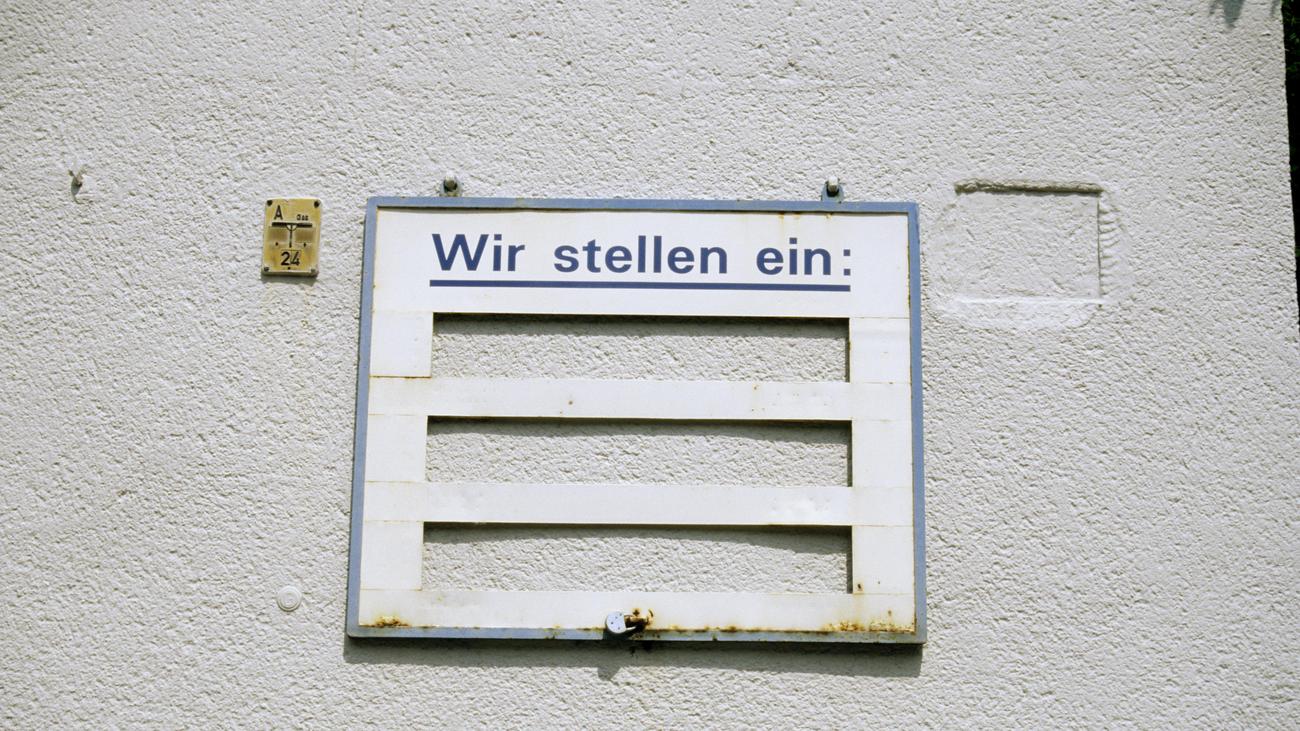
The German labor market shows little dynamism beyond seasonal patterns, continuing a trend of subdued development. While unemployment rose slightly in August, there are emerging positive economic signals, including a rising ifo Business Climate Index, that could potentially invigorate the job market.
Imagine Germany's job market is like a slow-moving train. In August, a few more people got on the train, making the total number of people looking for jobs over three million. While the train isn't moving very fast, some good news about the economy is like a signal that the train might pick up speed soon.
Analysis
The August Unemployment Figures
The Federal Employment Agency (Bundesagentur für Arbeit) reported that the number of unemployed persons in Germany increased by 54,000 in August compared to the previous month, reaching a total of 3.061 million. This brings the unemployment rate to 6.5%, a 0.1 percentage point increase from July. Year-on-year, the number of unemployed individuals has grown by 36,000. Andrea Nahles, the Chairwoman of the Federal Employment Agency, noted a lack of significant dynamism in the labor market beyond typical seasonal fluctuations, characterizing the situation as a continuation of the subdued development observed in recent months. The demand for labor remains cautious, with 656,000 job openings registered by the agency in August, a slight increase from the prior month.
Economic Signals and Potential Revival
Despite the stagnant labor market, there are emerging positive signs from the broader economy that could potentially stimulate job growth. The ifo Business Climate Index, a key indicator based on a survey of over 9,000 executives, has risen for the fourth consecutive month, reaching its highest level in a year. This improvement is particularly notable in the export sector, which is showing increased optimism. Companies are reportedly benefiting from significant investments in artificial intelligence (AI) and a booming export trade within the European Union.
Structural Challenges and Future Outlook
The persistent rise in unemployment is attributed by experts to the difficult economic climate and ongoing structural changes within the German economy. The number of people receiving unemployment benefits in August was approximately 1.133 million, an increase of 109,000 compared to the previous year. This suggests that the challenges are deep-seated, requiring more than just a general economic upturn to resolve. The reliance on AI investments and EU exports highlights specific growth drivers, but the overall labor market's sluggishness indicates that broader economic recovery and adaptation to structural shifts are crucial for a sustained improvement.
Key points
- Germany's unemployment rose slightly in August to over 3 million people.
- The unemployment rate increased to 6.5%, up 0.1 percentage points from July.
- The Federal Employment Agency noted a lack of dynamism in the labor market.
- Positive economic signals, including a rising ifo Business Climate Index, offer potential for future labor market improvement.
- Experts attribute the current situation to difficult economic conditions and structural changes.
If the positive economic signals, such as the rising ifo Business Climate Index and increased AI investments, translate into sustained economic growth, the German labor market could see a significant revitalization. This could lead to a decrease in unemployment figures and a stronger demand for workers across various sectors.
The current sluggishness in the labor market, coupled with ongoing structural economic changes, could prolong the period of high unemployment. If the positive economic indicators do not materialize into widespread job creation, Germany might face a prolonged period of economic stagnation and a persistently high number of jobless individuals.