UNESCO-listed Bisotun prepares to receive Arbaeen pilgrims, official says
The UNESCO-listed Bisotun archaeological site has completed preparations to receive pilgrims traveling to Iraq for Arbaeen commemorations. Authorities plan to hold a handicrafts market along the pilgrimage route.
Intelligence analysis by Llama
Bisotun, a UNESCO World Heritage site in western Iran, has prepared to receive pilgrims traveling to Iraq for Arbaeen commemorations. The site will host a handicrafts market and provide services for visitors.
Bisotun, a UNESCO World Heritage site in Iran, is preparing to receive pilgrims traveling to Iraq for Arbaeen commemorations. The site will host a handicrafts market and provide services for visitors, allowing them to experience the region's cultural heritage.
Analysis
A UNESCO-listed Site Prepares for Arbaeen Pilgrims
The UNESCO-listed Bisotun archaeological site in western Iran has completed preparations to receive pilgrims traveling to Iraq for Arbaeen commemorations. The site's executive director, Samet Ejraei, stated that the infrastructure has been readied to accommodate visitors passing through the area during the annual pilgrimage to the Iraqi city of Karbala.
The management of the World Heritage site aims to manage visitor flows and provide services alongside these historical monuments so that pilgrims have an opportunity to rest and experience the area's cultural heritage during their journey. The handicrafts market is intended to provide services for pilgrims while introducing them to the region's traditional arts.
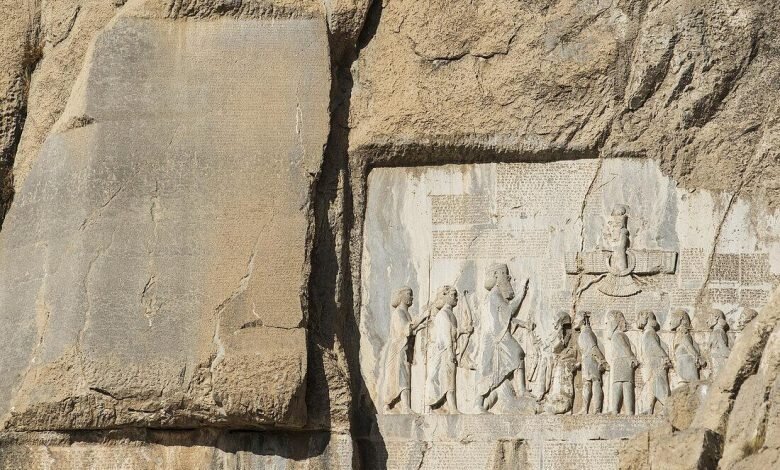
Bisotun's historical and natural attractions, including the Darius inscription, the Hercules statue, the Sassanian palace, the Farhad Tarash rock face, the Safavid-era Shah Abbasi Caravanserai, Hunters' Cave, springs, and a lake, make it a stop for both tourists and pilgrims. The site's unique blend of prehistoric, Median, Achaemenid, Sassanian, and Ilkhanid periods makes it an attractive destination for those interested in history and culture.
A Significant Event for Shia Muslims
In Shia Islam, Arbaeen marks 40 days after Ashura, the anniversary of the martyrdom of Imam Hussain (A.S.), the grandson of the Prophet Muhammad. Each year, millions of pilgrims travel, many on foot, to the Iraqi holy city of Karbala to commemorate the occasion. The pilgrimage is a significant event for Shia Muslims, and the preparations at Bisotun will provide a unique opportunity for pilgrims to experience the region's cultural heritage.
The Significance of Bisotun
Bisotun, located in western Iran's Kermanshah province, was inscribed on UNESCO's World Heritage List in 2006. The site contains remains spanning prehistoric times through the Median, Achaemenid, Sassanian, and Ilkhanid periods. Bisotun's best-known monument is the rock relief and trilingual cuneiform inscription commissioned by Achaemenid King Darius I around 521 BC, documenting his accession to the Persian throne and military campaigns to consolidate the empire.
Key points
- Bisotun has completed preparations to receive pilgrims traveling to Iraq for Arbaeen commemorations.
- The site will host a handicrafts market and provide services for visitors.
- Bisotun's historical and natural attractions make it a stop for both tourists and pilgrims.
- The site's unique blend of prehistoric, Median, Achaemenid, Sassanian, and Ilkhanid periods makes it an attractive destination for those interested in history and culture.
The preparations at Bisotun will provide a unique opportunity for pilgrims to experience the region's cultural heritage, and the site's historical and natural attractions will make it a stop for both tourists and pilgrims.
However, the large number of pilgrims traveling to Karbala may put a strain on the site's infrastructure, and the potential for overcrowding and congestion cannot be ruled out.