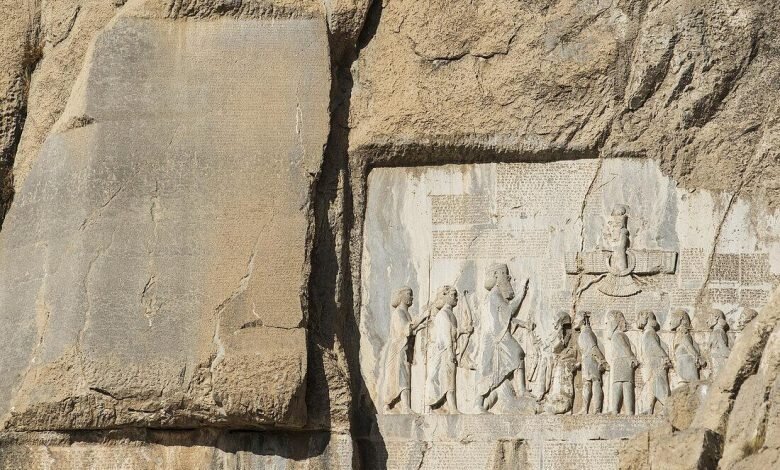
UNESCO renews concern over damage to Golestan Palace in Busan session
UNESCO has renewed concern over damage to Tehran's Golestan Palace caused by the shock wave and debris from nearby military strikes. The issue was raised during the 48th session of the World Heritage Committee in Busan, South Korea.
Intelligence analysis by Llama
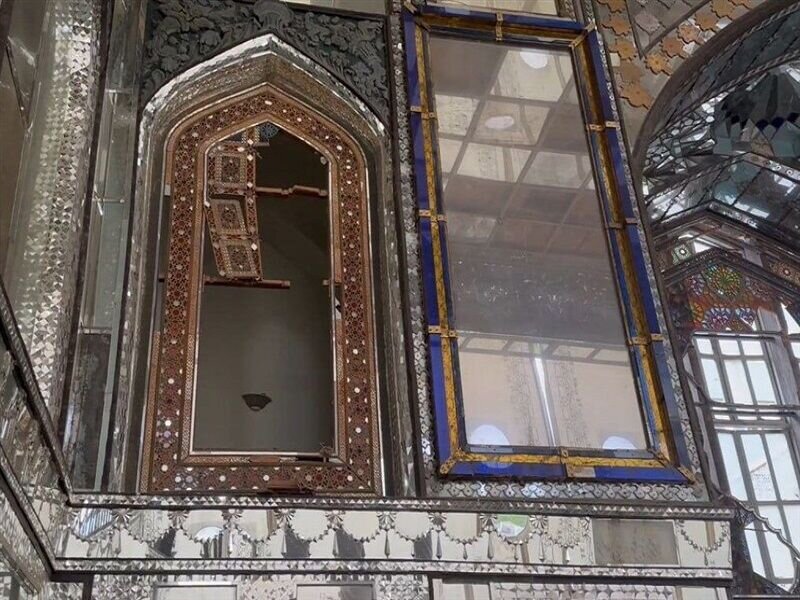
UNESCO has expressed concern over the damage to Golestan Palace in Tehran, Iran, caused by military strikes. The organization has called on states to comply with their international obligations to safeguard cultural heritage during armed conflicts.
Imagine you're visiting a beautiful old palace in Tehran, Iran. The palace is over 200 years old and has been damaged by military strikes. UNESCO, a group that helps protect cultural heritage, is worried about the damage and wants countries to follow rules to protect old buildings during wars.
Analysis
A Call to Action for Cultural Heritage Protection
UNESCO's concern over the damage to Golestan Palace is a stark reminder of the importance of protecting cultural heritage during armed conflict. The organization has called on states to comply with their international obligations to safeguard cultural heritage, as outlined in the 1954 Hague Convention for the Protection of Cultural Property in the Event of Armed Conflict and other international legal instruments.
The damage to Golestan Palace is a significant loss for Iran and the global community. The palace is one of the city's oldest monumental complexes and is recognized for its architectural and artistic achievements. Its synthesis of Persian and European artistic elements became a defining feature of Iranian art and architecture in the late 19th and early 20th centuries.
UNESCO's concern over the damage to Golestan Palace highlights the need for states to take proactive measures to protect cultural heritage during armed conflict. This includes establishing clear protocols for the protection of cultural heritage, providing training for military personnel on the importance of cultural heritage, and establishing mechanisms for monitoring and reporting on the condition of cultural heritage sites.
The protection of cultural heritage during armed conflict is a critical issue that affects not only Iran but also the global community. UNESCO's concern over the damage to Golestan Palace serves as a reminder of the importance of protecting cultural heritage and the need for states to comply with their international obligations to safeguard cultural heritage.
The Importance of International Cooperation
The protection of cultural heritage during armed conflict requires international cooperation and a commitment to upholding international law. UNESCO's concern over the damage to Golestan Palace highlights the need for states to work together to protect cultural heritage and prevent the loss of cultural heritage sites during armed conflict.
The 1954 Hague Convention for the Protection of Cultural Property in the Event of Armed Conflict is a key international instrument that outlines the obligations of states to protect cultural heritage during armed conflict. The convention requires states to take all feasible precautions to prevent damage to cultural heritage sites and to respect the cultural heritage of other states.
UNESCO's concern over the damage to Golestan Palace serves as a reminder of the importance of international cooperation in protecting cultural heritage. States must work together to prevent the loss of cultural heritage sites during armed conflict and to uphold their international obligations to safeguard cultural heritage.
The Road Ahead
The protection of cultural heritage during armed conflict is a complex issue that requires a multifaceted approach. UNESCO's concern over the damage to Golestan Palace highlights the need for states to take proactive measures to protect cultural heritage and to work together to prevent the loss of cultural heritage sites during armed conflict.
The road ahead requires a commitment to upholding international law and a willingness to work together to protect cultural heritage. States must establish clear protocols for the protection of cultural heritage, provide training for military personnel on the importance of cultural heritage, and establish mechanisms for monitoring and reporting on the condition of cultural heritage sites.
The protection of cultural heritage during armed conflict is a critical issue that affects not only Iran but also the global community. UNESCO's concern over the damage to Golestan Palace serves as a reminder of the importance of protecting cultural heritage and the need for states to comply with their international obligations to safeguard cultural heritage.
Key points
- UNESCO has renewed concern over damage to Golestan Palace in Tehran, Iran, caused by military strikes.
- The organization has called on states to comply with their international obligations to safeguard cultural heritage during armed conflicts.
- The protection of cultural heritage during armed conflict is a critical issue that affects not only Iran but also the global community.
- UNESCO's concern over the damage to Golestan Palace highlights the need for states to take proactive measures to protect cultural heritage and to work together to prevent the loss of cultural heritage sites during armed conflict.
If UNESCO's efforts to protect cultural heritage during armed conflict are successful, it could lead to the development of new protocols and guidelines for the protection of cultural heritage sites. This could help prevent the loss of cultural heritage sites during armed conflict and promote international cooperation in protecting cultural heritage.
If states fail to comply with their international obligations to safeguard cultural heritage during armed conflict, it could lead to the loss of cultural heritage sites and the erosion of international law. This could have serious consequences for the global community and undermine the efforts of UNESCO and other international organizations to protect cultural heritage.