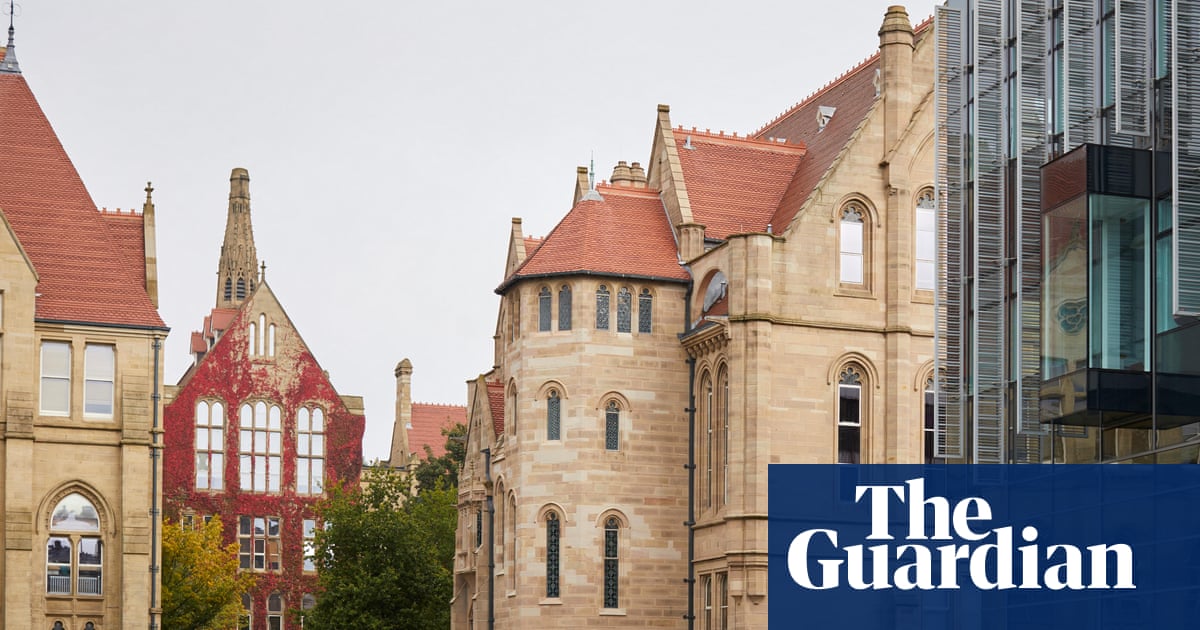
University of Manchester to investigate sexual harassment of female medical students
The University of Manchester is investigating reports that about 20 female medical students received anonymous late-night calls containing sexual harassment.
Intelligence analysis by GPT-5.4 Mini
Female medical students at Manchester say anonymous male callers have harassed them for years, including late-night calls with slurs and sexual taunts. The university has opened a formal investigation and a wider culture review after one student wrote to the vice-chancellor.
A group of women studying to become doctors say someone has been calling them at night and saying cruel, sexual things. One student said the calls made her feel scared and put down.
The university says it is looking into the complaints and checking whether the problem is bigger than just one incident. It is a bit like finding a hole in a school fence and then checking whether more parts are broken too.
The story matters because students should be able to learn without being threatened. If the university handles it well, other students may feel safer speaking up too.
Analysis
What happened
The University of Manchester has begun an investigation after female medical students reported repeated anonymous phone calls that they say were sexually harassing and intimidating. The Guardian says about 20 students have come forward, and one final-year student, Charlotte Buttercase, says the calls have been happening for at least three years.
What the students say
Buttercase described one call on 16 April at 2am, saying she was alone in a dark room when an anonymous caller made sexually harassing remarks. She said the interaction left her feeling intimidated, demeaned and belittled. She also said fellow students later learned that 16 calls were made in 22 minutes that night and that she was the fifth woman contacted.
Other students have since reported harassment in person and over the phone. In an open letter to vice-chancellor Duncan Ivison, Buttercase called for a formal review of what she described as a pervasive culture of sexual harassment in the school of medical sciences.
Institutional response
Prof Ashley Blom, vice-president and dean of the faculty of biology, medicine and health, said the allegations were deeply concerning and would be treated with the utmost seriousness. He said the university’s immediate priority is supporting affected students. Manchester says it has opened a formal investigation into the specific claims and is also reviewing wider cultural and systemic issues.
Wider context
The report sits within a broader concern about sexual harassment in higher education. The article cites Office for Students research saying one in three female students has experienced sexual harassment during university or college, and that students at England’s leading universities are more likely to report it than those at lower-tariff institutions. The same research found hotspots in subjects with high entry grades, including medicine, dentistry, veterinary science and languages.
The British Medical Association’s medical students committee said the incidents have no place in medical school or education and pledged support for the Manchester students and wider efforts to eliminate sexual violence in medical training.
Key points
- About 20 female medical students reported anonymous late-night calls from male callers.
- Students say the callers used sexual harassment, intimidation and gender-based slurs.
- One student wrote to the vice-chancellor describing a pervasive culture of sexual harassment.
- The University of Manchester has opened a formal investigation and a wider culture review.
- The BMA says the incidents are appalling and has pledged support for the students.
If the investigation is thorough, it could identify who is responsible and stop the harassment. The wider review could also lead to changes that make medical students feel safer and more likely to report abuse.
If the problem is broader than the calls reported so far, the university may find that harassment has been going on unnoticed for years. A weak response could leave students feeling unprotected and discourage others from coming forward.