University of the Arts Singapore graduates pioneer students
Singapore's first arts university, the University of the Arts Singapore, will see its inaugural cohort of students graduate in August. The students studied programmes like biophilic design to meet future arts and societal needs.
Intelligence analysis by Llama
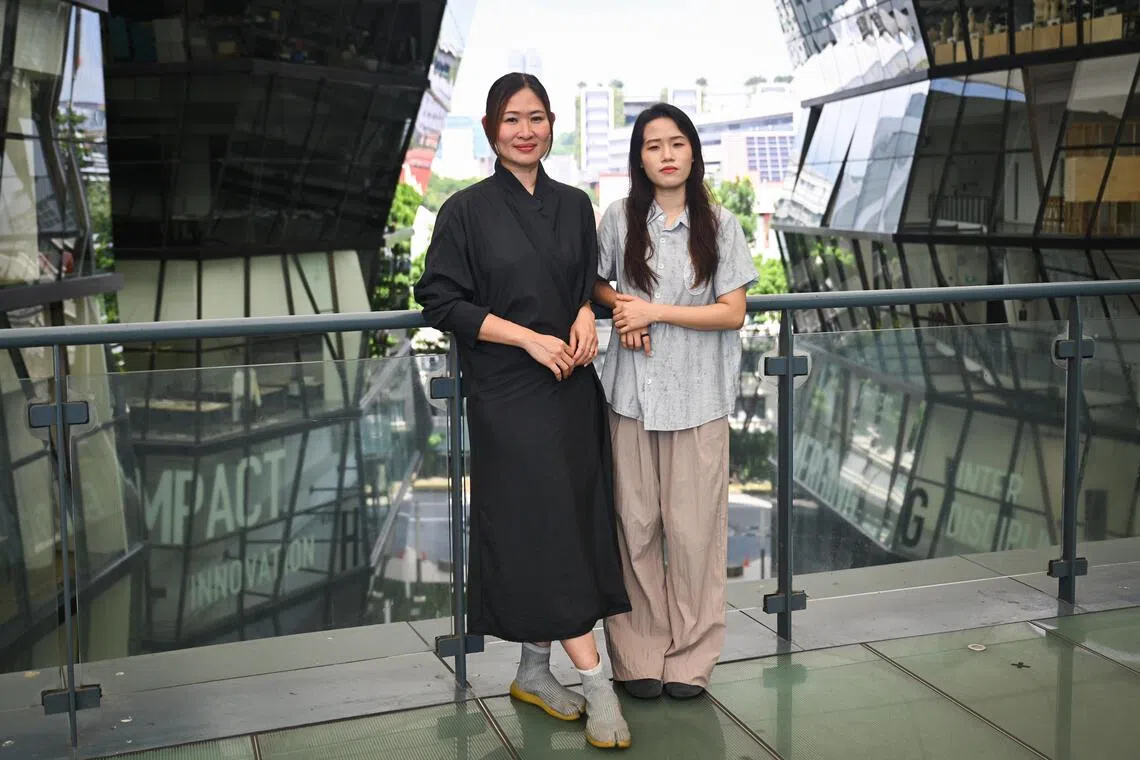
The University of the Arts Singapore will graduate its first batch of students in August, who studied programmes like biophilic design to meet future arts and societal needs. The university aims to nurture diverse talents with skills beyond art, preparing students for varied careers and fostering creativity, critical thinking, and industry readiness.
The University of the Arts Singapore is a new university that teaches art and design. The students who are graduating are the first ones to finish the university's programs. They learned about how to make buildings and spaces that are good for people and the environment.
Analysis
A New Era in Arts Education in Singapore
The University of the Arts Singapore (UAS) is a private university supported by the Government, formed by an alliance between Lasalle College of the Arts and the Nanyang Academy of Fine Arts (NAFA). The university launched with 29 programmes, including eight new degrees in areas such as biophilic design, design for social futures, as well as Master of Arts degrees in arts and ecology, fine art, and music therapy. The university aims to nurture diverse talents with skills beyond art, preparing students for varied careers and fostering creativity, critical thinking, and industry readiness.
Interdisciplinary Learning and Sustainability
The students who will graduate in August studied programmes like biophilic design, which aims to connect building occupants more closely to nature through elements like natural lighting, materials, and ventilation to improve overall well-being. The interdisciplinary programme spans areas such as service design, speculative design, and systems design. The students were drawn to the benefits of incorporating nature into human spaces and were intrigued by the area's potential to improve overall well-being.
A Strong Demand for Interdisciplinary Courses
UAS' deputy vice-chancellors Venka Purushothaman and Tan-Soh Wai Lan said there is strong demand for such interdisciplinary courses. Purushothaman, who is also president of Lasalle, said this is especially so for programmes that combine artistic excellence with interdisciplinary and future-focused skills, like art histories and curatorial practices or music business. Tan, who is also president of NAFA, added: 'We are seeing aspiring creatives seek an education that not only deepens artistic excellence, but also equips them to engage meaningfully with communities, and respond to evolving cultural, social, and environmental challenges.'
Key points
- The University of the Arts Singapore will graduate its first batch of students in August.
- The students studied programmes like biophilic design to meet future arts and societal needs.
- The university aims to nurture diverse talents with skills beyond art, preparing students for varied careers and fostering creativity, critical thinking, and industry readiness.
- UAS' deputy vice-chancellors Venka Purushothaman and Tan-Soh Wai Lan said there is strong demand for such interdisciplinary courses.
- The university's focus on interdisciplinary learning and sustainability prepares students for careers in various fields and fosters creativity, critical thinking, and industry readiness.
The graduation of the University of the Arts Singapore's inaugural cohort marks a significant milestone in Singapore's commitment to nurturing a strong and diverse local talent core. The university's focus on interdisciplinary learning and sustainability prepares students for careers in various fields and fosters creativity, critical thinking, and industry readiness. This is a positive development for the arts and design industry in Singapore.
The university's focus on interdisciplinary learning and sustainability may not be enough to prepare students for the rapidly changing job market. The students may struggle to find jobs that align with their skills and interests. Additionally, the university's emphasis on sustainability may not be enough to address the environmental challenges facing Singapore.