‘Unprovoked aggression’: Russia, China urge restraint after US-Iran escalation
Russia and China urged restraint after fresh US-Iran clashes, while Pakistan warned the violence threatens regional peace and diplomacy.
Intelligence analysis by GPT-5.4 Mini

The article says Moscow blames the latest escalation on “unprovoked US-Israeli aggression” and urges both sides to stop attacks. Beijing also calls for calm and a political path, while Pakistan warns the conflict is worsening regional instability and complicating the Iran nuclear issue.
It’s like two kids in a playground starting to shove each other, and the grown-ups nearby are saying, “Stop before this gets worse.” Russia, China, and Pakistan are warning that more fighting could hurt everyone and make it harder to fix the bigger problem.
Analysis
Diplomatic push after fresh clashes
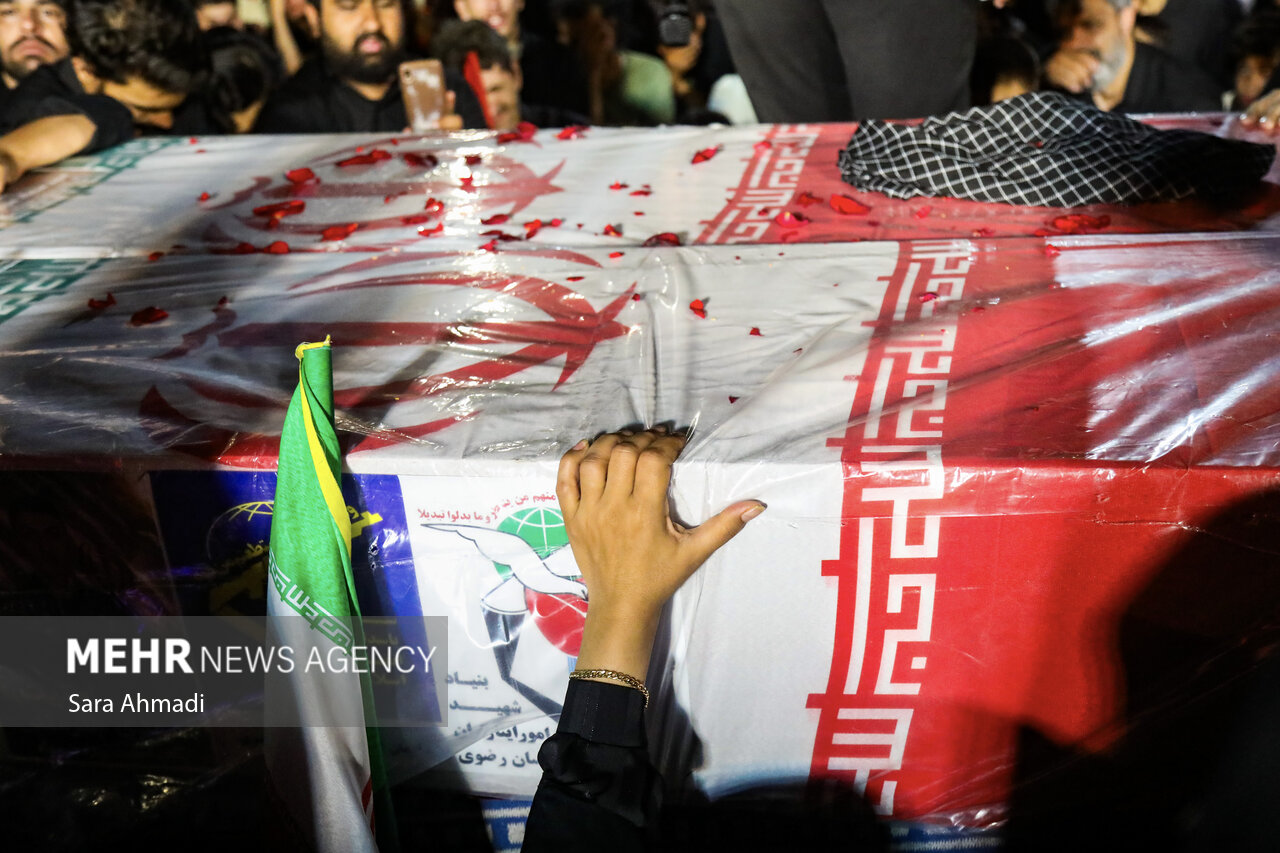
The Tehran Times says Iran launched retaliatory strikes against U.S. bases in the Persian Gulf region after U.S. attacks on areas in southern Iran. It describes this as the worst escalation since an April 8 ceasefire paused a joint U.S.-Israeli war that began on February 28.
Russia’s foreign ministry spokeswoman Maria Zakharova framed the crisis as the result of “unprovoked US-Israeli aggression” against Iran and said Moscow was “extremely concerned” about the new round of armed confrontation. She called on both sides to show restraint and stop military attacks immediately.
China struck a similar tone. Foreign Ministry spokesperson Lin Jian said China was deeply concerned about the latest developments and urged the parties to remain calm, avoid further confrontation, and return to political and diplomatic means. He also called for an early comprehensive and lasting ceasefire.
Wider regional warnings
Pakistan’s UN ambassador, Asim Iftikhar, told the UN Security Council that he was deeply concerned about the renewed conflict and heightened tensions in the Middle East. He warned that the surge in violence shows the dangers of a fragile ceasefire and the heavy consequences it can bring.
He also said the breakdown of diplomacy and outbreak of hostilities has pushed the Iran nuclear issue further away from resolution and disrupted the IAEA’s verification mandate. The article ends with a call to keep “the path of peace and diplomacy” open, underscoring the report’s central message: the crisis is moving beyond bilateral strikes and into broader regional and nuclear diplomacy.
Key points
- Russia blamed the escalation on what it called unprovoked U.S.-Israeli aggression and urged an immediate end to military attacks.
- China called for calm, restraint, and a return to political and diplomatic means.
- Iran conducted retaliatory strikes on U.S. bases in the Persian Gulf region after U.S. attacks in southern Iran.
- Pakistan told the UN Security Council that the violence is threatening regional peace and complicating the Iran nuclear issue.
- The report says the crisis has disrupted the IAEA’s verification mandate and pushed the parties further apart.
If the calls from Russia, China, and Pakistan help slow the fighting, the sides could return to restraint and reduce the risk of a wider regional war. The article also suggests diplomacy could reopen space for a broader ceasefire and for the Iran nuclear issue to be handled through talks again.
If the strikes and counterstrikes continue, the conflict could deepen and pull more of the region into open confrontation. The article also warns that continued hostilities could further damage diplomacy on Iran’s nuclear file and disrupt the IAEA’s verification work.