US and Iran exchange fire after American patrol helicopter downed in Hormuz
The US struck Iranian air-defence sites after an American Apache helicopter was downed near the Strait of Hormuz. Iran says it retaliated with drones and missiles against US bases in the region.
Intelligence analysis by GPT-5.4 Mini
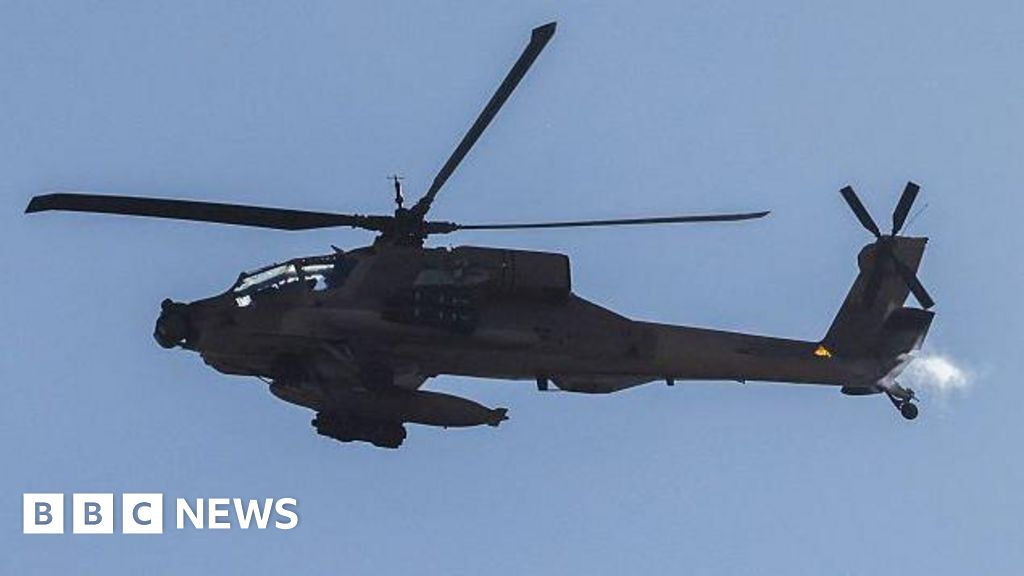
Tensions between the US and Iran escalated sharply after an American patrol helicopter was brought down near the Strait of Hormuz. The US answered with strikes on Iranian air-defence and radar sites, while Iran said it hit US bases in Bahrain and Jordan and threatened further retaliation.
A US helicopter went down near an important sea route, and then the US and Iran hit each other with attacks. It is like two neighbours throwing stones across a fence, but the fence is next to a busy highway that many other people depend on.
Analysis
What happened
The BBC says the US launched strikes against Iran after an American Apache helicopter was downed near the Strait of Hormuz. Centcom said the US targeted Iranian air defence systems, ground control stations, and radar sites. The American side called it a proportional response.
Iran said it responded by launching drones and missiles at 21 targets linked to US bases in the region. The IRGC said the attacks included sites in Bahrain and Jordan, while Kuwait said it was also intercepting an attack. The article says it is not yet clear how much damage, if any, was done to US bases.
What is known about the helicopter incident
According to the article, two crew members were rescued by an American sea drone after the helicopter went down on Monday. US officials said Iran used a drone in the attack, but it remains unclear whether that drone was deliberately used to strike the aircraft. The semi-official Mehr News Agency reported that Iran had not claimed responsibility for the downed aircraft.
Political fallout
Donald Trump said the helicopter had been patrolling the Strait of Hormuz and said the US had to respond. In Washington, House Speaker Mike Johnson said he was present when Trump decided to resume US attacks on Iran.
Iran’s foreign minister responded with threats, saying the country would not leave any attack unanswered and warning foreign forces near Iran that they were at risk from accidents or crossfire. The article also places the clash in a wider regional context, noting Israeli strikes in southern Lebanon and earlier US-Iran tensions over ceasefire talks.
Bigger picture
The story shows how quickly a single military incident near a major shipping lane can trigger direct exchanges between two countries already under severe strain. The immediate facts are still developing, but the direction is clear: both sides are signaling that they are willing to answer force with force.
Key points
- The US struck Iranian air-defence and radar sites after an American Apache helicopter was downed near the Strait of Hormuz.
- Iran said it retaliated with drones and missiles against 21 targets tied to US bases in the region.
- Two crew members from the helicopter were rescued, and Trump said both were safe and uninjured.
- Iran’s foreign minister warned that attacks would not go unanswered and urged foreign forces to leave the region.
- The article links the flare-up to wider regional tensions involving Israel, Lebanon, and ceasefire negotiations.
If both sides decide to stop after this exchange, the fighting could stay limited instead of spreading. That would reduce the risk to ships, nearby countries, and people at the bases involved.
If either side follows through on more threats, the conflict could widen fast and pull in more US and regional forces. Any damage around the Strait of Hormuz could also threaten shipping and deepen instability across the Middle East.