US and Iran exchange new attacks as sides locked in stalemate
US and Iranian forces traded fresh attacks in the Gulf as diplomacy made little headway. The US said its forces intercepted missiles and drones and struck back on Qeshm Island.
Intelligence analysis by GPT-5.4 Mini
The article describes another round of tit-for-tat attacks between the US and Iran across Bahrain, Kuwait and nearby waters, with both sides claiming success while the other denies it. The fighting underscores a stalemate, not a breakthrough, as regional tensions remain elevated.
Two big rivals keep throwing punches, but neither one lands a clean hit. The trouble is happening near a super-important sea road for ships, so even people far away could feel the effects, like when traffic jams spread through a whole city.
Analysis
What happened
The story says Gulf hostilities flared again on Wednesday, with the US military reporting that Iranian missile attacks aimed at Bahrain, Kuwait and other regional targets were either intercepted or did not reach their marks. Central Command said two missiles fired at Kuwait fell short or broke apart, several other ballistic missiles missed, and three headed for Bahrain were shot down.
The exchange of strikes
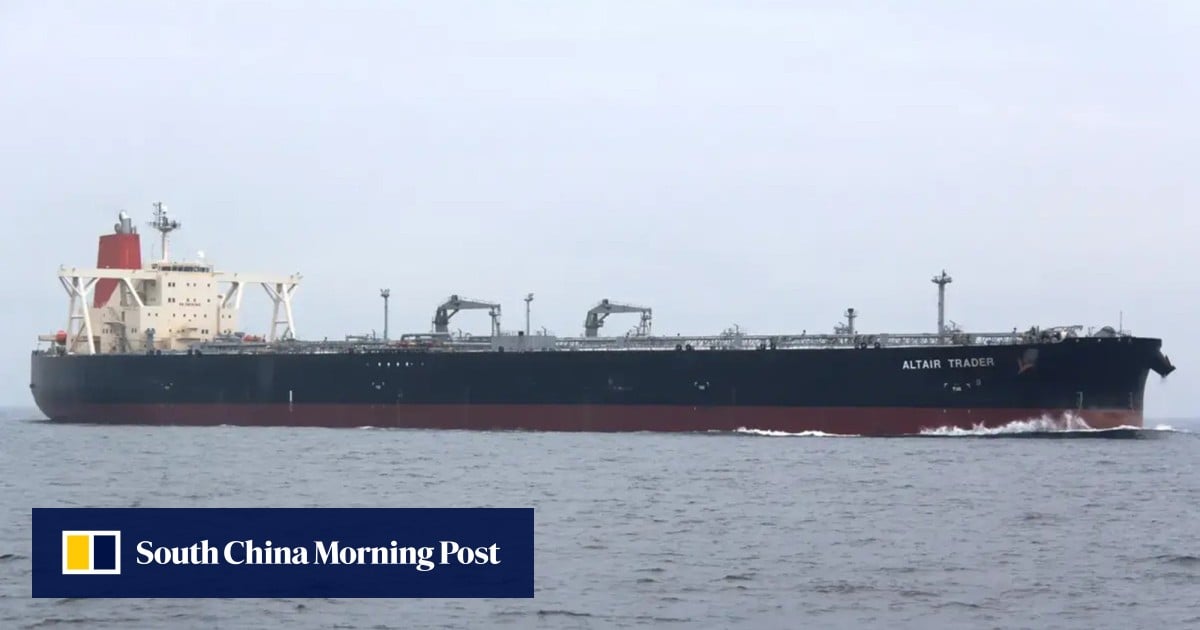
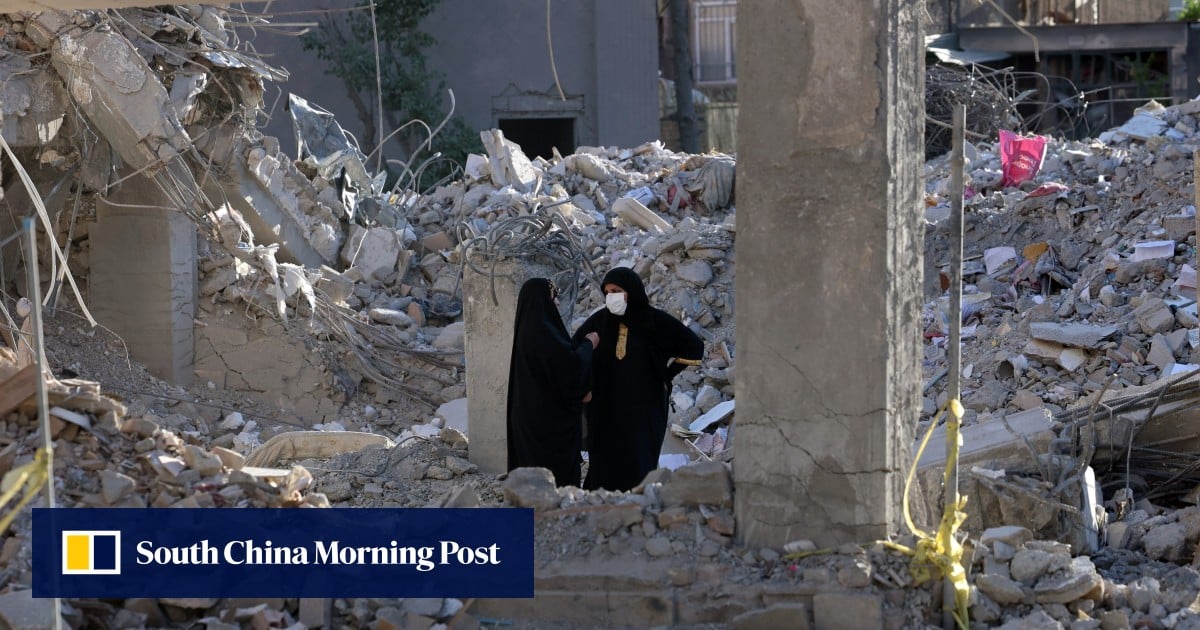
The article says Iran has repeatedly targeted Bahrain and Kuwait since the conflict began in late February, where US military bases are located. In response to the latest attempted attacks, the US said it shot down Iranian drones that were heading toward civilian shipping in regional waters and struck Qeshm Island near the Strait of Hormuz.
Iran’s Revolutionary Guards, in a statement carried by IRNA, said they had hit US military facilities in response to the strike on Qeshm Island. The US military rejected that account, posting on X that all Iranian attacks on American forces failed.
Why the stalemate matters
The key point is that neither side appears to be forcing a decisive shift. The article says diplomacy between Washington and Tehran showed little progress, even as attacks continued. That leaves the region in a dangerous holding pattern: repeated strikes, competing claims, and no sign of de-escalation.
For a China desk, the most relevant piece is the risk to maritime traffic and energy security. The article specifically mentions civilian shipping and the Strait of Hormuz, a chokepoint that matters far beyond the Middle East. Even without a wider war, repeated attacks in that corridor can raise uncertainty for trade and oil markets.
Key points
- The US said Iranian missile attacks on Bahrain, Kuwait and other targets were intercepted or failed.
- CENTCOM said Iranian drones aimed at civilian shipping were shot down.
- US forces struck Qeshm Island near the Strait of Hormuz in response.
- Iran’s Revolutionary Guards claimed they hit US military installations, but the US denied that claim.
- The article says diplomacy between Washington and Tehran is making little progress.
If the latest attacks remain contained and the missile and drone strikes continue to be intercepted, the fighting may stay limited rather than spreading further. A lack of clear battlefield gains could also keep pressure on both sides to return to diplomacy.
The article shows that attacks are continuing despite little diplomatic progress, which raises the risk of further escalation. Repeated strikes near the Strait of Hormuz and against civilian shipping could disrupt trade and intensify regional instability.