US and Iran launch fresh strikes amid stalled ceasefire talks
The US and Iran traded new missile and drone strikes as ceasefire talks stalled, deepening the regional crisis. US forces also disabled a tanker in the Strait of Hormuz.
Intelligence analysis by GPT-5.4 Mini
The article describes a widening confrontation between the US and Iran, with strikes hitting ships and military sites around the Gulf. It says the fighting is undercutting diplomatic efforts and raising pressure across the wider Middle East, including Lebanon.
The article says the US and Iran are still trading blows near a very busy sea road where ships carry goods and fuel. It is like two kids fighting in a narrow hallway: everyone else nearby has to move carefully, and it gets harder to calm things down.
Analysis
What happened
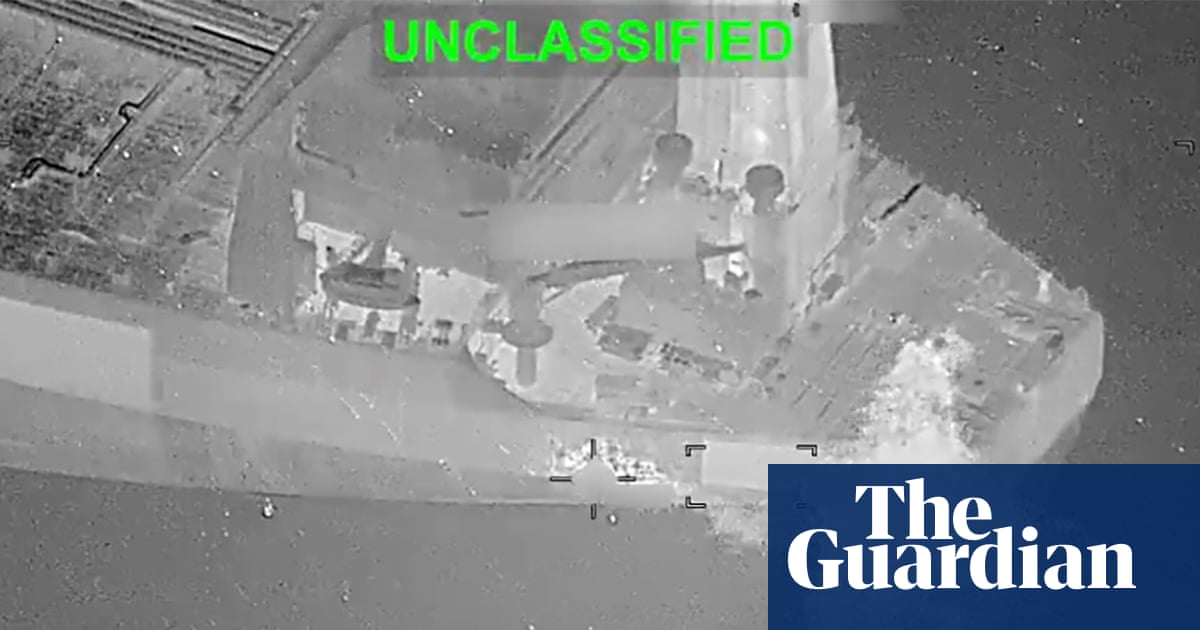
US forces said they fired a Hellfire missile at a Botswana-flagged tanker, the M/T Lexie, after repeated warnings were ignored while it moved through waters near the Strait of Hormuz toward Iran’s Kharg Island. Centcom said the strike disabled the ship’s engine. The US military also said it intercepted or defeated later Iranian missile and drone attacks aimed at Kuwait and Bahrain, and that no US personnel were harmed.
Iran’s Islamic Revolutionary Guards Corps said it responded by attacking the US Fifth Fleet headquarters in Bahrain, but Centcom rejected that claim. The article says US forces also struck an Iranian military ground control station on Qeshm Island.
Why it matters
The story shows how quickly the US-Iran confrontation is spreading across sea lanes and nearby states. The article says the US has now disabled six ships since its blockade of Iran began on 13 April, and that it has redirected 122 vessels that were trying to enter or leave Iranian ports.
The fighting is also unfolding while diplomacy remains fragile. US secretary of state Marco Rubio said a deal with Tehran was still possible, but Iran has signaled that it may suspend talks in protest over Israel’s offensive in Lebanon. The article presents those positions as moving in opposite directions, making a ceasefire harder to secure.
Wider regional pressure
The piece links the Gulf exchanges to continued Israeli strikes in Lebanon, where the article says dozens of strikes hit the south despite a newly brokered ceasefire framework. That makes the crisis feel less like one front and more like several linked flashpoints at once.
Key points
- US forces said they disabled a tanker near the Strait of Hormuz after repeated warnings were ignored.
- Centcom said it intercepted or disrupted Iranian missile and drone attacks aimed at Kuwait and Bahrain.
- Iran said it retaliated against the US Fifth Fleet in Bahrain, but the US military denied that claim.
- The article says the clashes are worsening already fragile ceasefire and nuclear talks with Tehran.
- The fighting is tied to wider regional tension, including continued Israeli strikes in Lebanon.
If the reported talks resume, the article suggests there is still room for a deal on parts of Iran’s nuclear program. A pause in attacks would also reduce danger for ships, civilians, and nearby countries like Kuwait and Bahrain.
If the strikes continue, the article suggests the crisis could spread further across the Gulf and pull in more regional forces. The stalled talks and the fighting in Lebanon also raise the risk that diplomatic efforts collapse entirely.