US and Iran launch new strikes as ceasefire negotiations stall
The US and Iran exchanged new strikes as ceasefire talks stalled, with Washington hitting Qeshm Island and intercepting missiles aimed at Gulf targets.
Intelligence analysis by GPT-5.4 Mini
The article describes a fresh escalation between the US and Iran alongside stalled ceasefire negotiations. Centcom says it struck an Iranian site, downed drones and missiles, and enforced blockade measures in the Strait of Hormuz, while Iran says it hit US bases in retaliation.
The US and Iran are trading punches, but with missiles and drones instead of fists. It is like two kids arguing in a hallway where lots of other people need to pass through, so everyone nearby feels the trouble too.
Analysis
What happened
The US military says it carried out “self-defense” strikes on Iran, including a target on Qeshm Island in the Strait of Hormuz, and shot down ballistic missiles and drones fired toward ships and Gulf countries. Centcom said the attack on Qeshm Island hit an Iranian military ground control station and that three attack drones were stopped before reaching “civilian mariners.”
Iran said it had retaliated by attacking US bases and helicopters in a “regional country” with missiles and drones. Centcom said two missiles fired at Kuwait fell short or broke apart, while three fired at Bahrain were intercepted by US and Bahraini air defenses.
Why the escalation is happening now
The new strikes come as ceasefire negotiations have stalled. The article says weekend talks failed to make progress, even though Donald Trump has publicly suggested Iran “really wants to make a deal.” US media, cited by the BBC, reported that Trump wanted edits to a possible peace deal, including language on the Strait of Hormuz, removal of highly enriched uranium from Iran, and a framework for restarting nuclear talks.
Iran’s foreign ministry spokesman Esmail Baghaei rejected the idea that Washington had been consistent, saying it was “constantly changing its views” and adding new or contradictory demands.
The shipping dimension
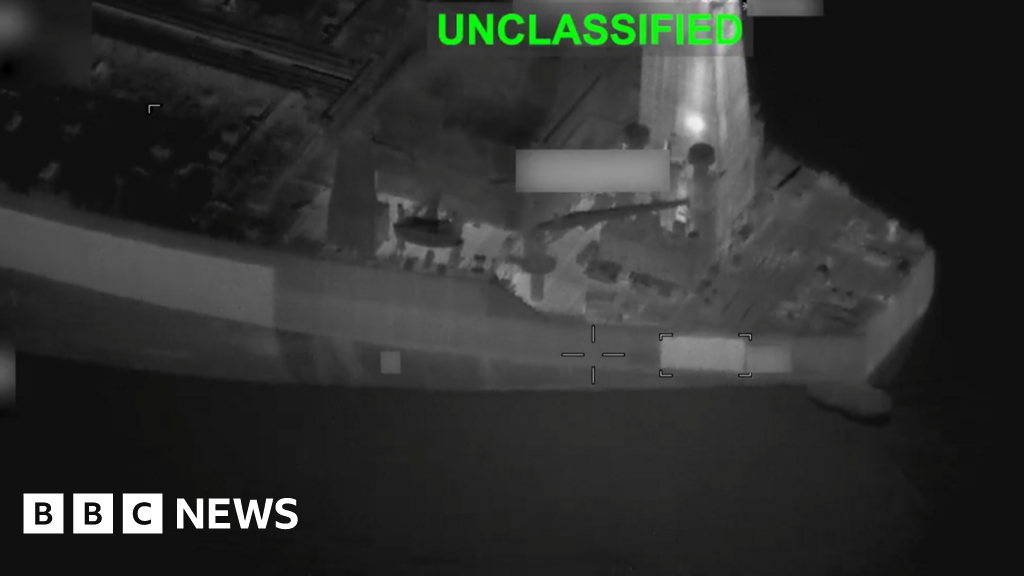
The article also says Centcom disabled an unladen Botswana-flagged tanker, the M/T Lexie, after repeated warnings, as part of a US naval blockade on the Strait of Hormuz that began on 13 April. Centcom says six commercial vessels have been disabled and another 122 redirected since the blockade began.
The IRGC warned that disrupting the strait’s security would carry a “heavy price” for US forces. That makes the maritime lane central to both the military standoff and the diplomatic fight.
Key points
- The US says it struck an Iranian target on Qeshm Island and intercepted drones and missiles launched toward Gulf areas.
- Iran says it retaliated with missile and drone attacks on US bases in a regional country.
- Centcom says missiles aimed at Kuwait and Bahrain were intercepted or broke apart before hitting their targets.
- US forces also disabled an unladen tanker as part of a blockade on the Strait of Hormuz.
- Ceasefire talks have stalled, while Washington and Tehran continue to blame each other for changing demands.
If the stalled talks restart, the two sides could narrow their differences over the Strait of Hormuz and Iran’s nuclear programme. That could reduce attacks on ships and lower the risk of further regional escalation.
If negotiations keep failing, the strikes and interceptions could continue or spread to more Gulf targets. Continued disruption in the Strait of Hormuz could also keep commercial shipping under pressure and deepen the regional crisis.