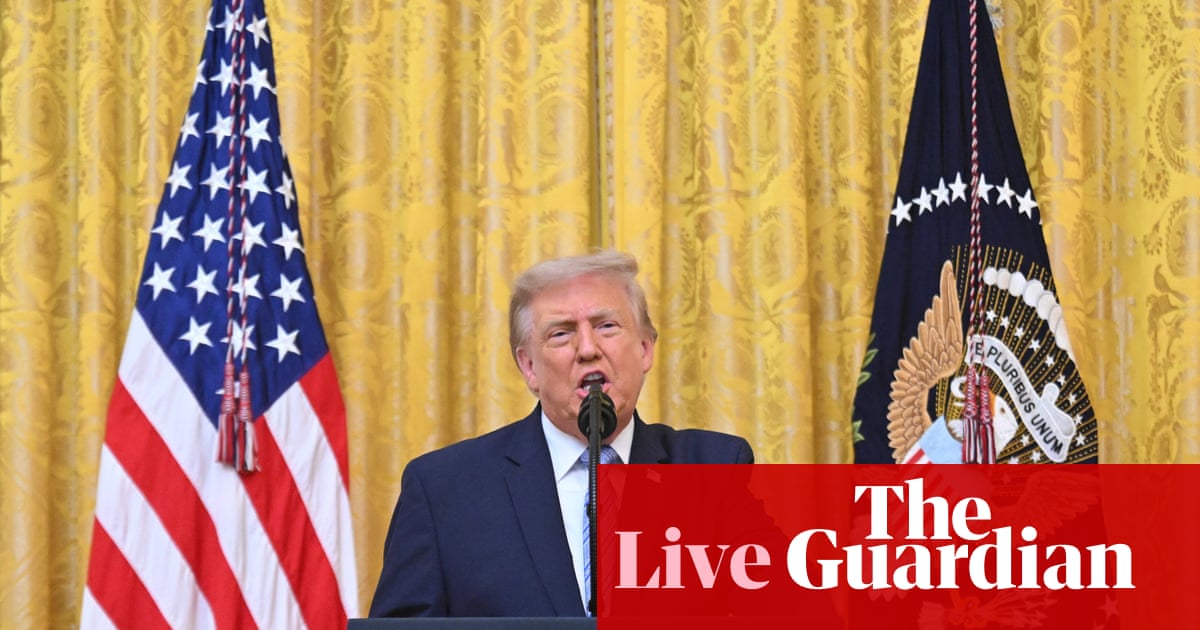
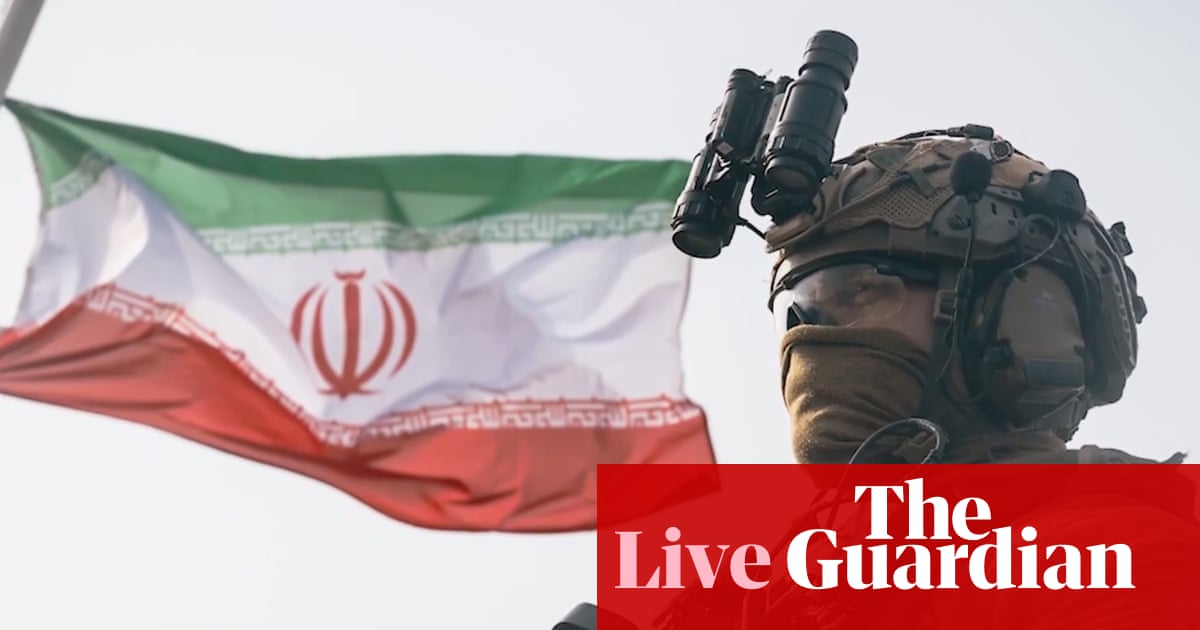
US attacks southern Iran, as Tehran hits Gulf countries: What’s the latest?
The United States has launched its sixth consecutive night of attacks on Iran, prompting retaliatory strikes from Tehran against multiple Gulf countries and US bases in the region.
Intelligence analysis by Gemini 2.5 Flash

The conflict between the US and Iran has intensified significantly, with both sides conducting major military operations following failed talks in Switzerland. US strikes have targeted Iranian infrastructure, causing casualties and power outages, while Iran has responded with missile and drone attacks on US bases and several Gulf nations, raising fears of broader regional destabilizat…
Imagine two big kids, the US and Iran, are having a really big fight. One kid keeps hitting the other's house, breaking things and hurting people. The other kid then throws rocks at the first kid's friends' houses and their secret forts. They tried to talk about stopping the fight, but it didn't work, and now everyone in the neighborhood is worried about what will happen next, especially since some of the rocks are hitting important roads where everyone gets their gas.
Analysis
Intensifying US Strikes on Iranian Infrastructure
For the sixth consecutive night, the United States has conducted major attacks against Iran, with US Central Command (CENTCOM) confirming its latest wave of strikes on Friday. While CENTCOM provided limited details, Iranian media reports indicate significant damage to civilian infrastructure. At least six bridges in the southern Hormozgan province, a railway station, and other sites were reportedly hit. These attacks have resulted in at least eight fatalities and numerous injuries, according to Iran's Fars news agency. The Ministry of Energy also reported damage to power lines in Bandar Abbas and surrounding villages, leading to widespread power outages, though electricity restoration efforts are underway in some areas.
Iran's Retaliatory Barrage Across the Gulf
In response to the sustained US aggression, Iran's Islamic Revolutionary Guard Corps (IRGC) claimed a 13th wave of retaliatory strikes against US bases and regional targets. Several Gulf countries reported being hit or intercepting Iranian projectiles. Bahrain activated air raid sirens, while Qatar's Ministry of Defence confirmed intercepting Iranian missiles, with one child injured by shrapnel in Doha. Oman saw claims of an IRGC strike destroying a US air control radar in Ghanim and a maritime control radar in the Strait of Hormuz, alongside a tanker being hit near Khasab. Kuwait reported IRGC strikes on a US military base, targeting missile defense radar, weapons depots, and HIMARS launchers. Jordan's army also intercepted three Iranian missiles, causing no casualties, and Syria's al-Tanf military base, housing US special operations, was attacked in retaliation for Iranian soldier deaths.
Diplomatic Deadlock and Accusations
The current escalation follows a meeting in Switzerland on June 22, where both sides reportedly discussed a 60-day negotiation period to end the war. However, the ongoing attacks suggest these talks have either failed or been severely undermined. Iranian military spokesperson Ebrahim Zolfaghari declared that the Strait of Hormuz "will never return to what it was before the 40-day war," accusing the US of destabilizing the crucial waterway. Adding a layer of political intrigue, US Vice President JD Vance, in a podcast, alleged that members of the Israeli government attempted to influence US public opinion against a deal with Iran, suggesting a desire to prolong the military campaign. This highlights the complex web of regional and international actors with vested interests in the conflict's trajectory.
Key points
- The US has conducted its sixth consecutive night of attacks on Iran, reportedly hitting bridges, a railway station, and causing casualties and power outages.
- Iran's IRGC launched retaliatory strikes against US bases and targets in Bahrain, Qatar, Oman, Kuwait, Jordan, and Syria.
- At least 38 people have been killed and over 400 injured in US attacks on Iran since June 22 talks.
- Iran claims to have destroyed US radars in Oman and hit missile defense systems and weapons depots in Kuwait.
- The escalation follows failed talks aimed at a 60-day negotiation period to end the conflict.
The ongoing military exchanges risk a full-scale regional conflict, potentially drawing in more actors and severely disrupting global oil supplies through the Strait of Hormuz. Continued attacks on infrastructure and military bases could lead to a humanitarian crisis and further destabilize an already volatile Middle East.
Market signals
- OIL Escalation in the Middle East and threats to the Strait of Hormuz, a key shipping lane, increase supply-route risks, pushing oil prices higher.
- XAU Increased geopolitical tensions and military conflict typically drive investors towards safe-haven assets like gold.
AI-generated analysis of potential market relevance. Not financial advice.