US-China talks need to be ‘institutionalised’ to ease tensions in AI era: Haass
Richard Haass says US-China meetings should become routine and more transparent as both sides navigate AI and other strategic technologies.
Intelligence analysis by GPT-5.4 Mini
A veteran US diplomat argues Washington and Beijing need regular, high-level talks that are treated as standard diplomacy, not headline events. He says greater transparency and deeper cooperation on emerging technologies could help prevent the relationship from sliding further.
It is like two big neighbors arguing over a fence while also sharing the same power lines. Haass says they should keep talking on a regular schedule, so they do not make bigger mistakes when new tools like AI are involved.
Analysis
Richard Haass, the president emeritus of the Council on Foreign Relations, told the Caixin Summit in Hong Kong that US-China diplomacy should be made more routine. His main point was that meetings between senior officials from Washington and Beijing should not be treated as unusual news events, but as a normal part of managing a difficult relationship.
Haass said the relationship needs to be “institutionalised and regularised” in its diplomatic interactions. In his view, diplomacy is one of the standard tools of foreign policy and national security, and it should be used more consistently when two major powers are trying to avoid confrontation.
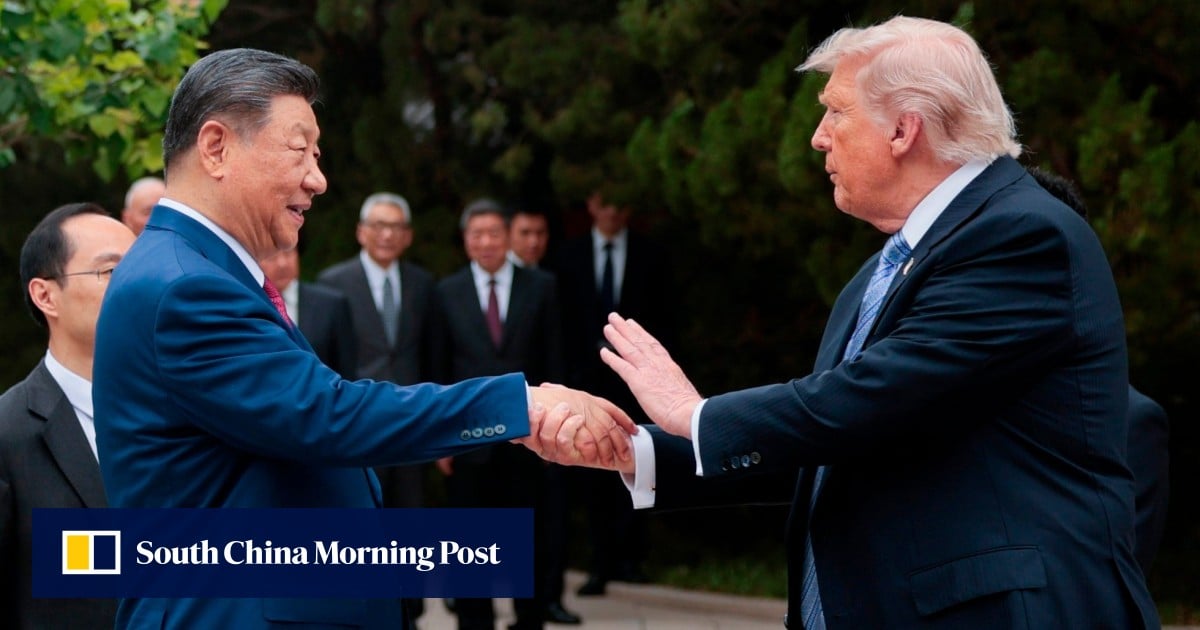
The comments came a few weeks after Donald Trump visited China for the first time since 2017, a visit that the article says helped ease some friction and stabilise ties. Even so, the underlying competition between the two countries remains intense. The story highlights strategic technologies, especially semiconductors and artificial intelligence, as key flashpoints.
The article frames transparency as essential. Haass argues that if both sides want to avoid a worse downturn in relations, they need clearer and more regular communication, especially as AI raises the stakes of misunderstanding or miscalculation. The implication is not that the rivalry is going away, but that it can be managed better if dialogue becomes normalised.
Overall, the piece presents a cautious diplomatic message: the US and China are still competing hard, but both have reasons to keep channels open and make high-level engagement a standing feature of the relationship rather than a rare exception.
Key points
- Richard Haass says US-China diplomacy should be routine, not treated as news.
- He argues the relationship needs to be institutionalised and regularised.
- The article says transparency is especially important in the AI era.
- Semiconductors and AI remain major pressure points in the rivalry.
- A recent Trump visit to China helped ease some frictions, but competition remains intense.
If regular high-level talks become normal, both sides could reduce misunderstandings and keep tensions from getting worse. More transparency around AI and other strategic technologies could also make it easier to manage competition without a sharp crisis.
If meetings stay rare or symbolic, the rivalry could become more unstable as both sides compete in semiconductors and AI. Without routine contact, small disputes could grow into larger diplomatic or security problems.