US claims of Cuba’s ‘unique threat’ jar with reality of hunger and blackouts
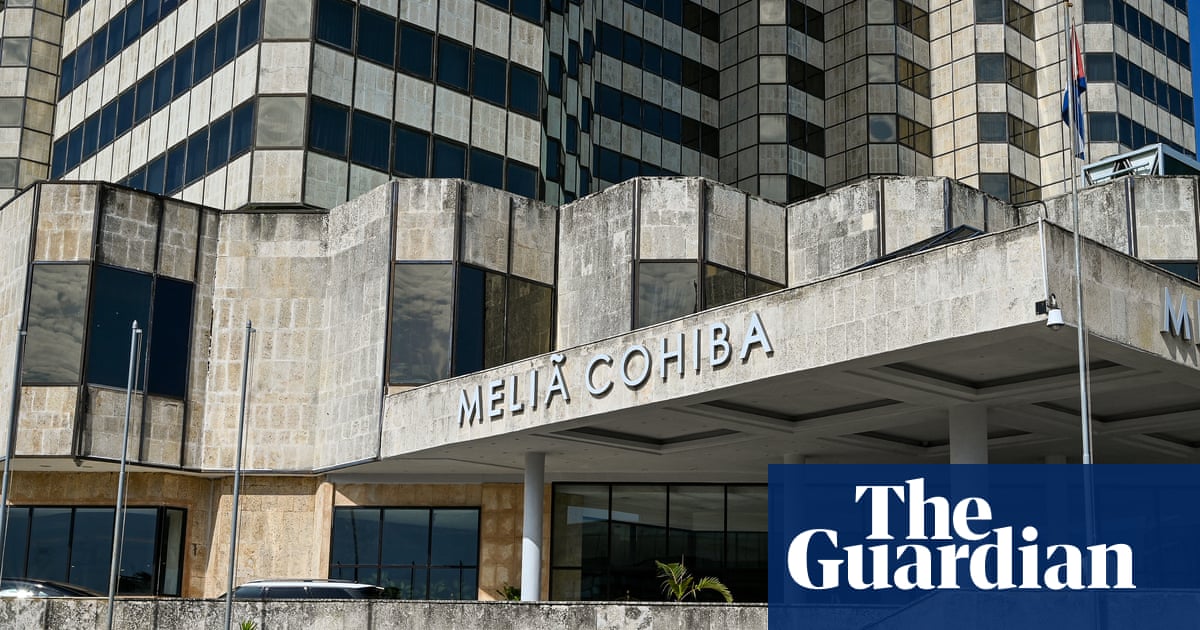
A US State Department report casts Cuba as a major threat, even as the island struggles with food shortages, blackouts and a blockade.
Intelligence analysis by GPT-5.4 Mini
The report turns Cuba into a sweeping ideological enemy, but the article contrasts that rhetoric with a country facing severe material breakdown. It reads as both a foreign-policy attack and a domestic political message aimed at the US right.
The article says the US is calling Cuba a big danger, even though many people there are hungry and sitting in the dark during blackouts. It is like blaming a broken-down house for causing trouble in the neighborhood while its roof is still falling in.
Analysis
Rhetoric as Policy Weapon
The article treats the State Department report less as a neutral assessment than as part of a broader campaign to justify pressure on Cuba. Its language is not simply anti-Castro nostalgia; it reframes an impoverished, electricity-scarce country as a civilisational danger to the United States.
That matters because the report appears designed to do two things at once: harden policy toward Havana and give ideological cover to a wider domestic political argument in the US. In that sense, Cuba is being used as a symbol, not just a foreign policy target.
The Economics of Weakness
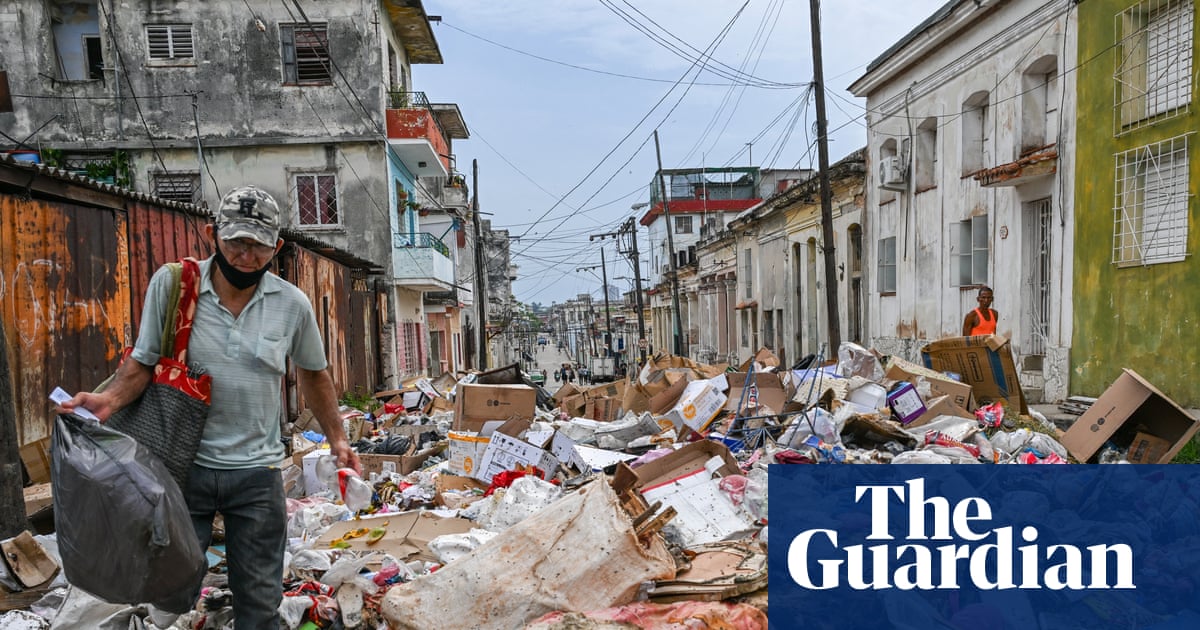
The strongest economic detail in the piece is the description of daily life in Havana: hunger, uncollected rubbish, and blackouts lasting more than a day. The article says the island has been under a US oil blockade since January, alongside sanctions on foreign businesses, and that Cuba has struggled to feed its 9.5 million people for five years.
That is the key contradiction the article wants readers to notice. The US report insists Cuba remains dangerously powerful, yet the lived reality described here is one of severe scarcity and state fragility. Economic pressure may be intended to weaken the government, but the immediate burden lands on ordinary people.
Cuba, the US Left, and Election Season
The report also stretches far beyond Cuba itself, linking Havana to US civil rights politics, antifa, campus activism and other movements. The article suggests this is not only about foreign influence but about recasting elements of the American left as products of outside subversion.
That framing gives the story a wider political edge. If Cuba is being used to define domestic enemies in the US, then the report is as much about election-year identity battles as about foreign policy. The result is a document that mixes intelligence claims, ideological storytelling and campaign politics into one argument.
Key points
- The State Department published a 100-page report portraying Cuba as a major threat to US security.
- The article says Cuba is already suffering from food shortages, rubbish buildup and long blackouts.
- It describes the report as part of a maximum-pressure campaign involving sanctions and an oil blockade.
- The piece argues the report also serves a domestic political purpose in the US ahead of the midterms.
If the pressure campaign continues, Cuba could face even deeper shortages, more blackouts and more hardship for ordinary people. The report could also harden political attitudes on both sides, making any repair in US-Cuba relations even less likely.