US designates Brazil’s two largest gangs as terrorist organizations
The US has labeled Brazil’s PCC and Red Command as terrorist groups, a move Brazil opposed and critics say could aid Lula’s rivals.
Intelligence analysis by GPT-5.4 Mini
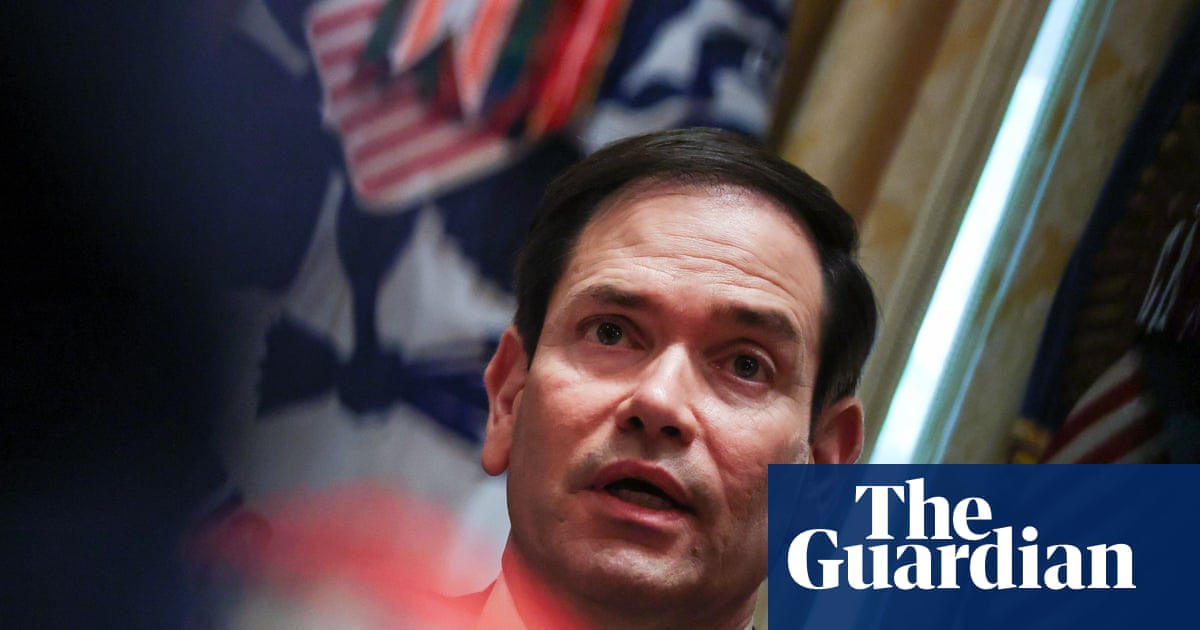
Marco Rubio’s designation turns a long-running crime fight into a sharper political and diplomatic clash. It pressures Brazil’s government, boosts Flávio Bolsonaro’s campaign message, and raises questions about financial and regional fallout.
Two big crime groups in Brazil have been put on a US list for terrorist groups. The article says they started in prisons and then grew into large gangs that move drugs across borders.
One of Brazil’s leaders, Lula, did not want this to happen. A political rival, Flávio Bolsonaro, liked the decision because it helps his message that he is tougher on crime.
It is a bit like calling a bad sports team by a stronger warning label. That label can change how other people treat it, and it can also affect the people standing near it, even if they are not in the gang.
Analysis
What changed
The US state department has designated Brazil’s two biggest criminal groups, the First Capital Command (PCC) and the Red Command, as foreign terrorist organisations. The announcement came from Marco Rubio and was presented as a response to groups the US says have reach well beyond Brazil.
The article says Brazil’s government had strongly opposed this step. Lula argued that the move would insult Brazilian sovereignty and that Brazil already fights these gangs. The timing matters: the designation landed just hours after Brazil’s federal police opened a new operation targeting PCC influence inside the financial sector.
Why it matters
The story is not only about crime enforcement. In Brazil, it is being read as a political setback for Lula and a boost for Flávio Bolsonaro, Lula’s main challenger in October’s presidential race. Flávio had recently been in the US, where he met Donald Trump and Rubio, and he quickly welcomed the designation.
The two groups are described as major Latin American criminal organisations that grew out of prisons and now move cocaine from Colombia, Peru and Bolivia toward the US and Europe. The Red Command is portrayed as looser and more visibly violent, while the PCC is described as more structured and businesslike.
The article says the practical effects are still unclear, but analysts worry the designation could create financial consequences beyond the gangs themselves. It also fits a wider pattern of US pressure in the region, alongside similar designations in Colombia, Mexico and Venezuela and a broader anti-drug push.
Key points
- The US designated Brazil’s PCC and Red Command as foreign terrorist organisations.
- Lula’s government opposed the move, calling it a sovereignty issue.
- Flávio Bolsonaro welcomed the decision and treated it as a campaign win.
- The gangs began in prisons and now operate across Latin America and beyond.
- Analysts worry the designation could have financial effects beyond the criminal groups.