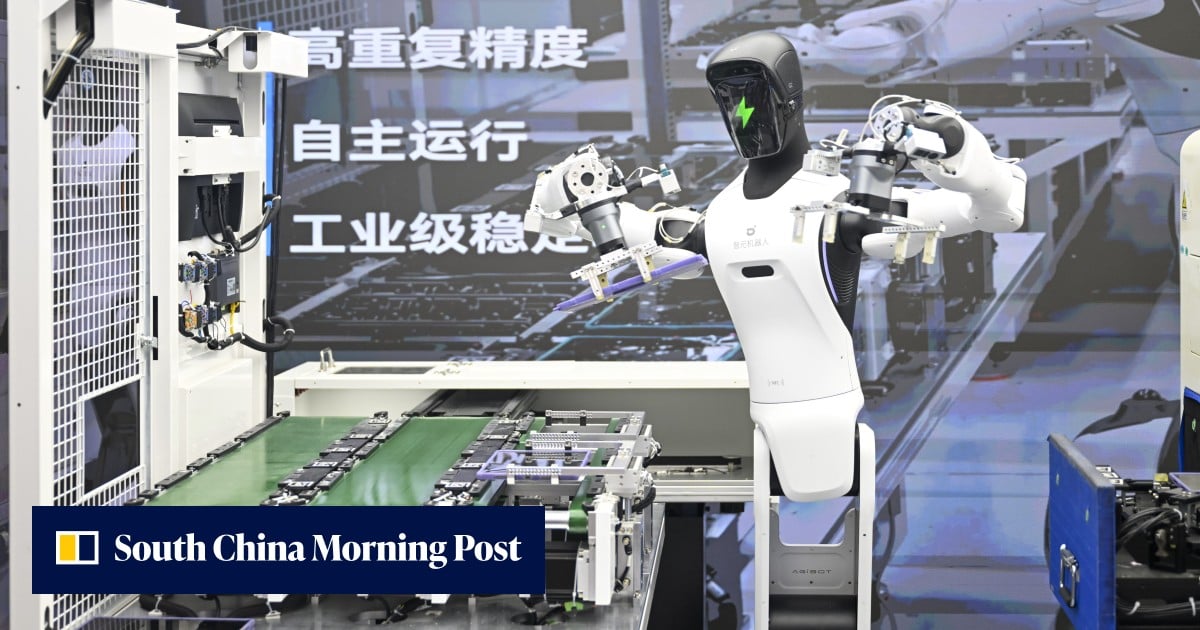
US does its robotics industry no favours by fencing it off from China
The US FCC has added Chinese humanoid robots and power inverters to a list, restricting their sale due to cybersecurity and supply-chain risks. This move aims to protect the nascent American robotics industry from Chinese dominance.
Intelligence analysis by Gemini 2.5 Flash Lite
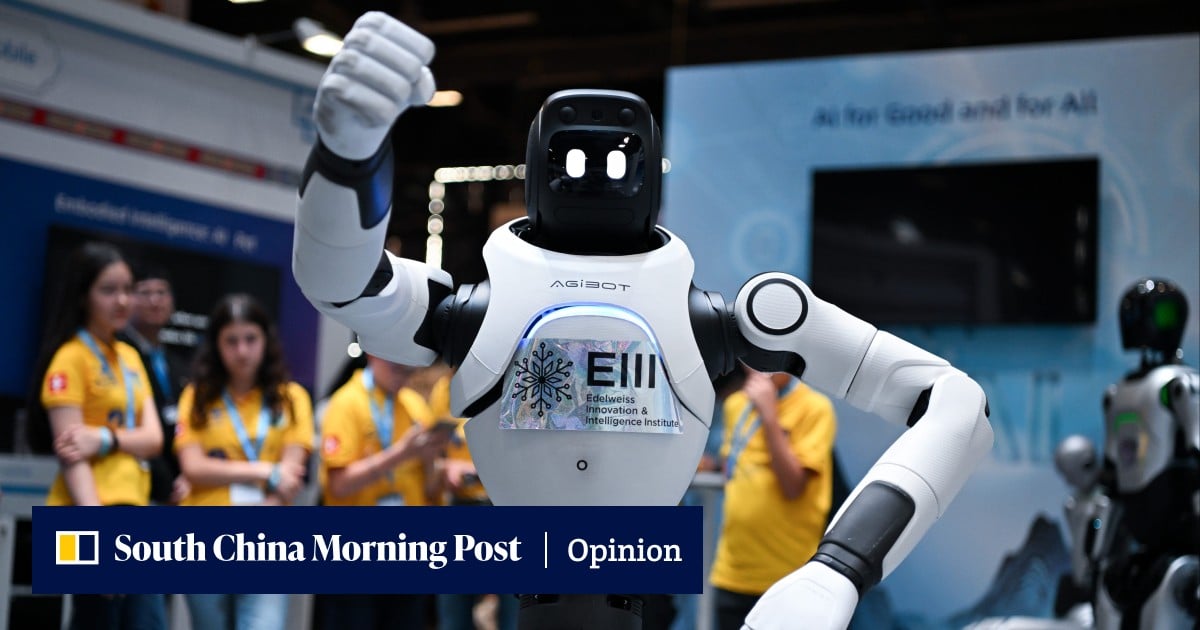
The US FCC's decision to ban certain Chinese-made robots and power inverters, citing security risks, is viewed by some as a protectionist measure for the underdeveloped American robotics sector. The author argues this approach, similar to past solar panel tariffs, may stifle innovation by limiting competition rather than fostering a strong domestic industry.
Imagine the US is building a new toy car factory, but China already makes most of the best toy cars. The US government is saying, 'We don't want China's toy cars here because they might have hidden cameras!' But they still let the government buy them. The author thinks this is like putting up a fence around the US factory, which might stop it from learning to make really good cars because it won't have to compete with the best ones from China.
Analysis
FCC's Covered List
The US Federal Communications Commission (FCC), under the direction of Chairman Brendan Carr and a White House task force, has expanded its "Covered List." This list now includes new foreign-made humanoid robots, quadrupeds, and power inverters, effectively barring them from being sold in the United States. The official justification for these restrictions centers on cybersecurity and supply-chain risks. The implication is that these advanced machines, equipped with sensors and connectivity, could potentially be exploited for espionage or sabotage. However, the article points out a significant inconsistency: the federal government itself is exempted from these restrictions, suggesting the threat assessment might be selectively applied, potentially masking a more protectionist intent.
Market Dominance and Protectionism
The article draws a parallel between the current situation in robotics and the US experience with the solar panel industry. Despite the imposition of anti-dumping duties on Chinese solar panels starting in 2012, China has gone on to dominate over 80 per cent of the global solar manufacturing supply chain. This historical precedent suggests that simply blocking imports does not necessarily lead to the development of a robust domestic industry. Instead, it can create an artificial environment where local companies are shielded from competitive pressures, potentially hindering their long-term growth and innovation. The author implies that the US robotics industry, currently a nascent sector with Chinese manufacturers holding an estimated 85 per cent of the global humanoid robot market, might suffer a similar fate.
Innovation and Competition
The core argument presented is that fencing off the US market from Chinese robotics may ultimately harm the American industry it intends to protect. By removing a significant source of competition, the US risks stifling innovation. Companies like Standard Bots, while welcoming the FCC's move, highlight the potential for foreign-subsidised machines to dominate. However, the author contends that this lack of direct competition could lead to complacency and a slower pace of technological advancement within the US. The article suggests that a more effective strategy might involve fostering domestic innovation through investment and research, rather than relying on trade barriers that could isolate the US from global technological progress and limit the options available to American consumers and businesses.
Key points
- The US FCC has restricted the sale of certain Chinese-made robots and power inverters, citing security risks.
- This move is seen as an effort to protect the nascent American robotics industry from foreign competition.
- The author argues that protectionist measures, like those previously applied to solar panels, may stifle innovation rather than build a strong domestic industry.
- A parallel is drawn to the solar industry, where US tariffs did not prevent China from dominating global manufacturing.
- The exemption of the US federal government from the ban raises questions about the true nature of the security concerns.
The US government's actions could spur significant investment and innovation within the domestic robotics sector, leading to the creation of a strong, self-sufficient American robotics industry. This could result in the US becoming a global leader in robotics technology, with secure and advanced machines developed for national needs.
By isolating the US robotics industry from global competition, particularly from China's dominant market share, the US risks hindering innovation and technological advancement. This protectionist approach could lead to a less competitive domestic industry that struggles to keep pace with international developments, ultimately failing to achieve global leadership.