US "Economic War": Washington Moves to Cut Off Iran's Revenue Streams
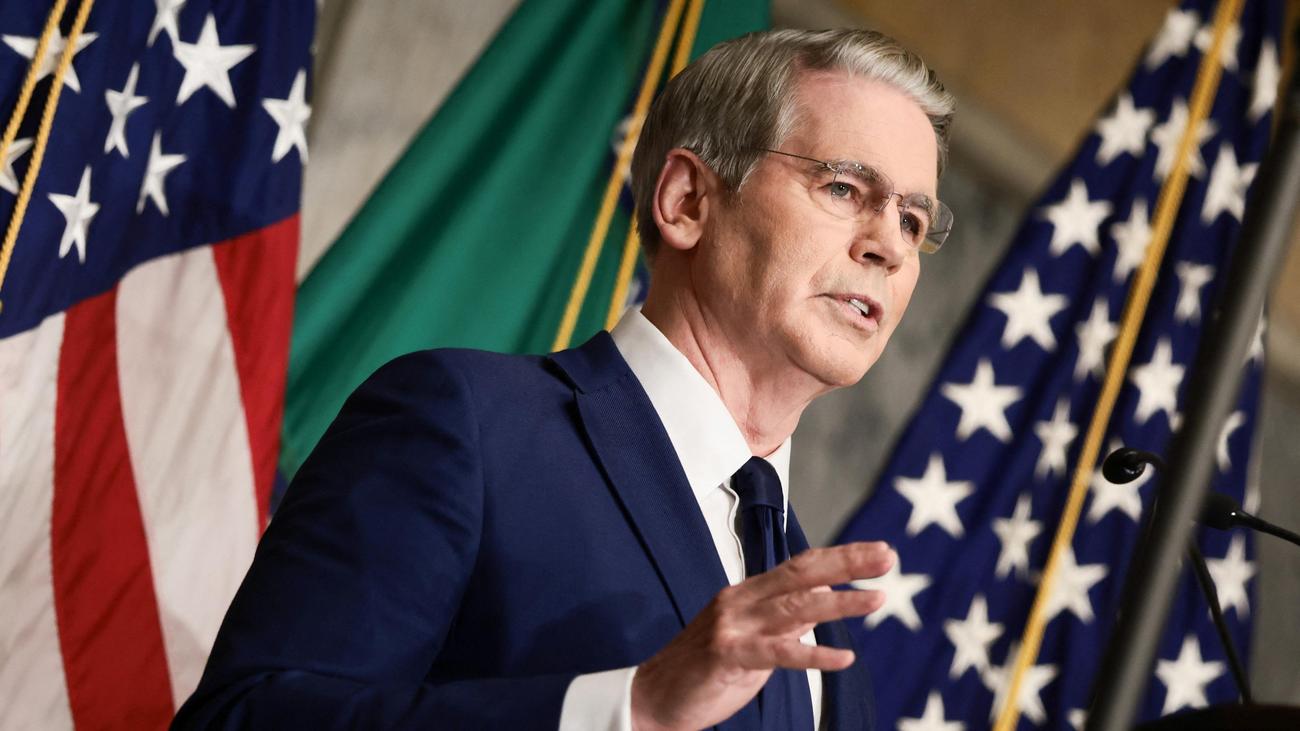
US Treasury Secretary Scott Bessent outlined details of an "Economic Outcast" operation aimed at fully isolating Iran from the global economy, targeting digital assets, technology, gold, aviation, and shipping used by the Revolutionary Guards.
Intelligence analysis by Llama
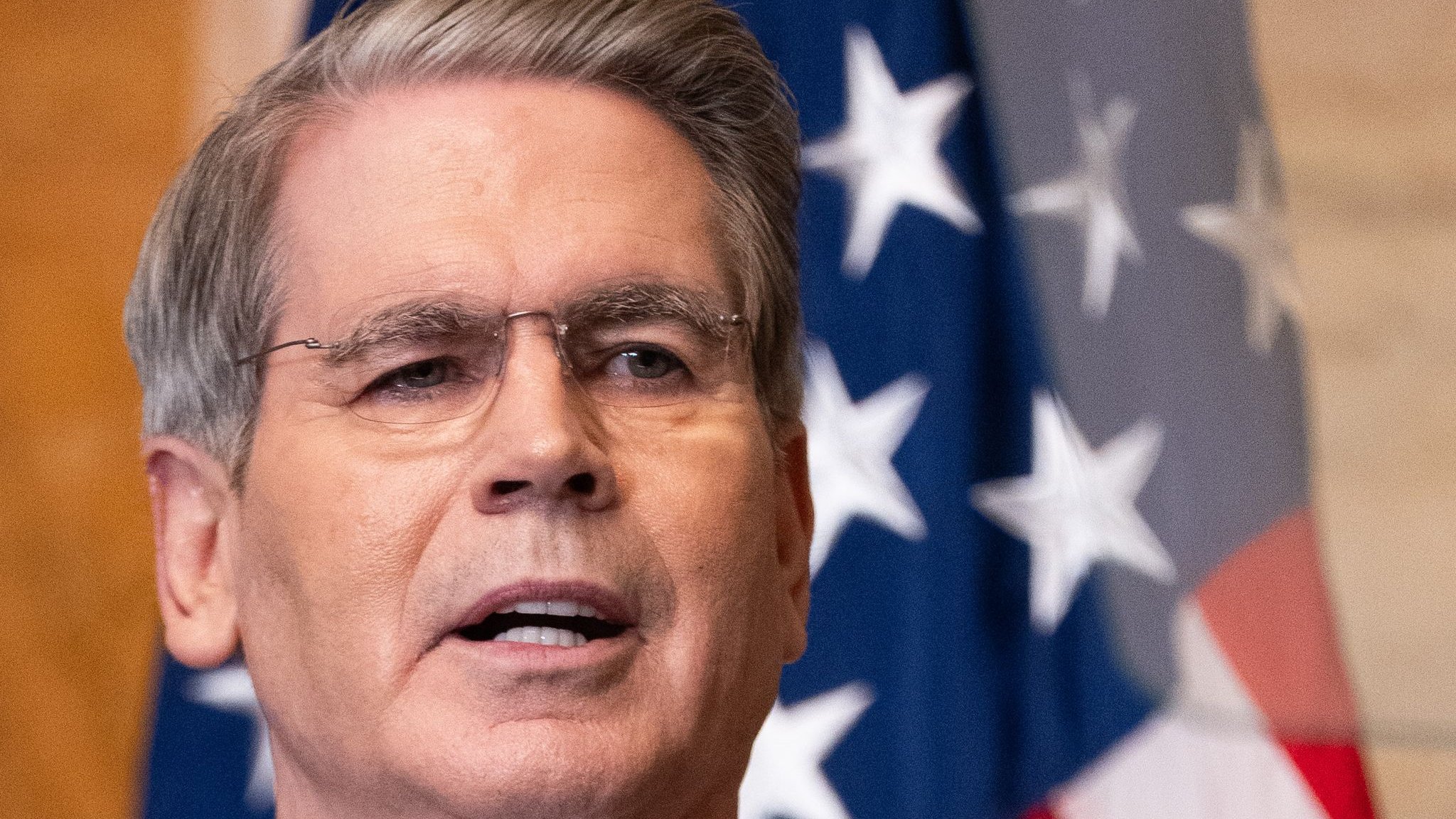
The Trump administration is escalating pressure on Tehran with a sweeping sanctions campaign designed to choke off every remaining revenue channel of Iran's Revolutionary Guards, from crypto to shipping lanes.
The US is putting Iran in a time-out from the world economy. Imagine if nobody in your school was allowed to trade lunch snacks with you — that's kind of what's happening, but with oil, gold, planes, ships, and even digital money. The US says it will punish any country that still trades with Iran.
Analysis
Operation Economic Outcast
The Trump administration has branded its latest pressure campaign against Tehran as "Operation Economic Outcast," a name that signals its ambition. US Treasury Secretary Scott Bessent told reporters that the goal is nothing short of total economic isolation of Iran, with each new sanction calibrated to deny the Islamic Revolutionary Guard Corps (IRGC) any possible income stream. The framing echoes the maximalist rhetoric Trump used last week when he publicly threatened Iran with an "unprecedented economic war," a phrase that rattled allies and adversaries alike. By choosing the word "outcast," Washington is telegraphing that it wants Tehran treated as a pariah state in commercial terms, not merely a sanctioned one.
The operation draws on a whole-of-government effort. According to Bessent, the Treasury, State Department and the US military have been mapping "every hub, every intermediary, and every network Iran has used to smuggle oil and evade sanctions." That inter-agency architecture suggests the campaign is meant to outlast any single negotiation cycle and to be enforced through intelligence-sharing rather than headline-grabbing unilateral measures. The Treasury Secretary's refusal to name specific countries or a timeline, however, leaves a critical question unanswered: how hard is Washington prepared to lean on third-party governments, including European allies, to sever ties with Tehran?
Scott Bessent and the Sanctioned Sectors
Bessent identified five chokepoints the campaign will focus on: digital assets, technology, gold, aviation, and shipping. The inclusion of digital assets is notable. Iran has become one of the world's most active adopters of cryptocurrency as a tool to bypass banking restrictions, and the Treasury is signaling that it now treats crypto rails as a primary sanctions-evasion channel rather than a peripheral one. The emphasis on gold, aviation, and shipping targets the physical infrastructure that has historically allowed Iran to monetize energy exports despite embargoes — from the tanker fleets that move sanctioned crude to the refineries and refineries' suppliers that launder its origin.
The campaign's coercive logic extends to any country that fails to comply. Bessent warned that any nation whose financial institutions, companies, airports, or government agencies continue to support Iran must brace for "MASSIVE economic consequences." The deliberate use of capitals, in the original statement, underlines the intent to make secondary sanctions a tool of diplomatic compulsion, not just financial enforcement. For European and Asian trading partners of Tehran, the message is that even routine commercial ties now carry systemic risk.
The Oil-Smuggling Nexus
Bessent was explicit that the Treasury has "mapped every hub, every intermediary, and every network Iran has used to smuggle oil and evade sanctions." That phrasing matters because Iran's shadow fleet of tankers — often operating under flags of convenience, with cargoes transferred ship-to-ship in open water — has become the single most important revenue source for the regime under tightening Western restrictions. By focusing enforcement on the maritime layer of that network, the US is signaling that it intends to target the buyers, brokers, and insurers who keep the trade flowing, not just the vessels themselves.
The risk is that squeezing Iran's oil exports harder will have a familiar consequence: tighter global supply, higher prices, and more pressure on consuming economies in Europe and Asia. For Germany, which has spent two years adjusting to an energy landscape reshaped by the war in Ukraine, any fresh oil-price shock would land on an economy already wrestling with sluggish growth and competitive pressures from Chinese industry. Whether Bessent's operation can choke off Iran's revenue without simultaneously choking the world economy is the central question hanging over the campaign — and one Bessent, by his own admission, is not yet ready to answer.
Key points
- US Treasury Secretary Scott Bessent unveiled "Operation Economic Outcast" aimed at fully isolating Iran from the global economy.
- The campaign targets five sectors used by Iran's Revolutionary Guards: digital assets, technology, gold, aviation, and shipping.
- Bessent warned that any country, financial institution, or company continuing to work with Iran faces "massive economic consequences."
- The US has mapped Iran's oil-smuggling networks, including the shadow tanker fleet that monetizes sanctioned crude.
- The operation was framed as a follow-up to Trump's earlier threat of an "unprecedented economic war" against Tehran.
If the campaign succeeds in starving the IRGC of revenue without triggering a broader regional war, it could weaken the hardline factions inside Iran's leadership and bring Tehran back to the negotiating table on more favorable terms. Tightened enforcement may also redirect sanctioned flows into legitimate channels, normalizing commerce for non-Iranian traders.
Aggressive secondary sanctions risk alienating European and Asian partners who depend on Iranian energy or trade, potentially fragmenting the global sanctions regime and pushing Iran closer to China and Russia. Past experience also shows that squeezing Iran's oil exports tends to lift global crude prices, which would feed into European inflation just as the ECB is trying to ease.
Market signals
- OIL The article frames the US campaign as targeting Iran's oil-smuggling networks, which historically tightens global supply when enforcement escalates.
- XAU Gold is explicitly named as a target sector of the sanctions, and broader geopolitical escalation tends to drive safe-haven demand.
AI-generated analysis of potential market relevance. Not financial advice.