US Embassies Urge Citizens to Consider Departing Middle East
US embassies in the Middle East have warned American citizens to be prepared to leave the region due to an 'unforeseen escalation' in the conflict. The warning comes after US President Donald Trump threatened to hit Iran 'very hard'.
Intelligence analysis by Llama
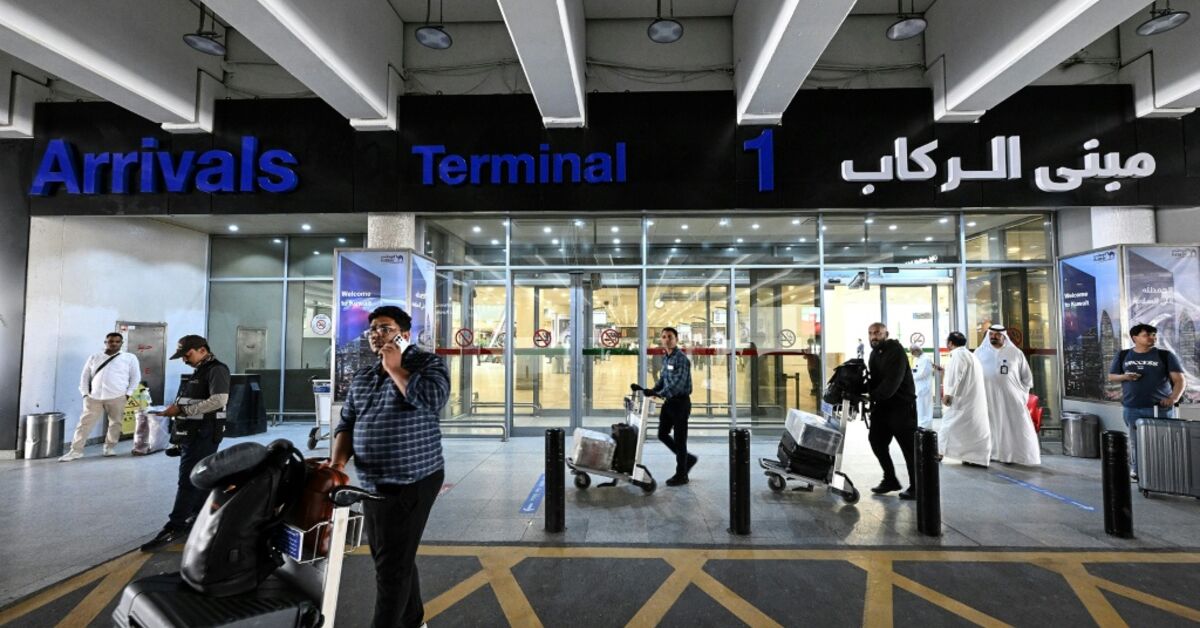
US embassies in the Middle East have issued a warning to American citizens to be prepared to leave the region due to an 'unforeseen escalation' in the conflict. The warning comes after US President Donald Trump threatened to hit Iran 'very hard'.
Imagine you're on a trip to the Middle East, and there's a big fight between two countries, the US and Iran. The US is warning its citizens to be careful and to be ready to leave the region if things get worse. This is because the conflict could affect the safety of American citizens and the global energy market.
Analysis
A Regional Conflict Escalates
The US embassies in the Middle East have issued a warning to American citizens to be prepared to leave the region due to an 'unforeseen escalation' in the conflict. This warning comes after US President Donald Trump threatened to hit Iran 'very hard'. The conflict between the US and Iran has been ongoing since February 28, with both sides engaging in strikes and missile attacks. The recent warning from the US embassies highlights the ongoing tensions between the two countries and the potential risks to American citizens in the region.
The Impact on Global Energy Markets
The conflict in the Middle East has already had a significant impact on global energy markets. The Strait of Hormuz, which connects the Persian Gulf to the Gulf of Oman, has been a key point of contention between the US and Iran. Iran has effectively maintained control over navigation through the strait since the outbreak of the war, requiring vessels to obtain permission and pay transit fees before using the waterway. Maritime trade tracking firm Kpler has reported that traffic through the Hormuz strait has dropped 'sharply' due to the conflict. This has led to concerns about the potential impact on global energy supplies.
The Risks to American Citizens
The warning from the US embassies highlights the potential risks to American citizens in the region. The conflict between the US and Iran has already resulted in the deaths of several American citizens, and the ongoing tensions between the two countries increase the risk of further violence. The US embassies have urged American citizens to check flight details and to follow safety advice from local authorities. They have also warned citizens not to visit US military bases in Jordan, which have recently come under Iranian missile attack, and to seek the location of the nearest bomb shelter in Israel.
Key points
- US embassies in the Middle East have warned American citizens to be prepared to leave the region due to an 'unforeseen escalation' in the conflict.
- The warning comes after US President Donald Trump threatened to hit Iran 'very hard'.
- The conflict between the US and Iran has been ongoing since February 28, with both sides engaging in strikes and missile attacks.
- The conflict has already had a significant impact on global energy markets, with traffic through the Strait of Hormuz dropping 'sharply'.
- The US embassies have urged American citizens to check flight details and to follow safety advice from local authorities.
If the conflict between the US and Iran can be resolved peacefully, it could lead to a decrease in tensions in the region and a reduction in the risk of violence to American citizens. Additionally, a peaceful resolution could also lead to an increase in trade and economic activity in the region, which could have a positive impact on the global economy.
If the conflict between the US and Iran continues to escalate, it could lead to a significant increase in violence and a decrease in the safety of American citizens in the region. Additionally, the conflict could also lead to a disruption in global energy supplies, which could have a negative impact on the global economy.