US environ. damage must be addressed in Hormuz arrangements
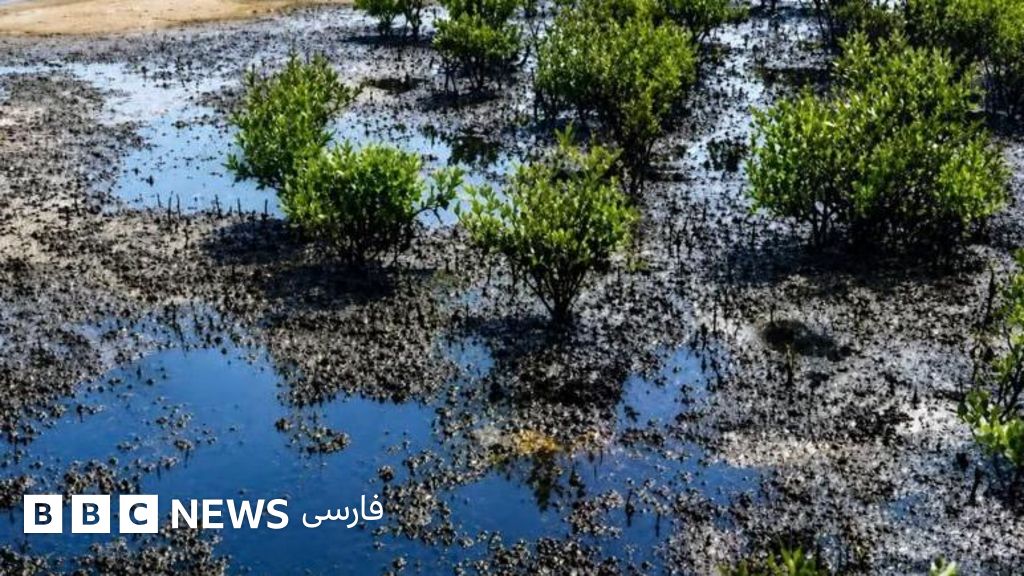
Iran's foreign ministry spokesperson Esmaeil Baghaei has demanded that environmental damage from US military and commercial activity be addressed in any future framework governing the Strait of Hormuz, citing recent oil pollution near Qeshm Island.
Intelligence analysis by Llama

Tehran is conditioning any new Hormuz governance arrangement on environmental remediation, pointing to recent oil pollution on Qeshm Island and decades of alleged damage from military and commercial activity in the Persian Gulf and Sea of Oman.
Imagine a shared swimming pool where everyone splashes around, and the mess from years of play has cost trillions to clean up. Iran lives next to that pool (the Persian Gulf) and is telling the big kids who use it most — including the US military — to help fix the water before new rules about who gets to swim are decided.
Analysis
Qeshm Island oil pollution
The immediate trigger for the spokesperson's statement was an oil pollution incident along the shores of Qeshm Island in southern Iran, where contamination has been documented at three coastal sites and across portions of the sea surface. Baghaei said preliminary evidence points to a foreign bulk carrier as the source, with the slick drifting in from the broader Persian Gulf. The visible pollution gives Tehran a concrete case study to anchor a much larger argument about the cumulative cost of decades of regional commercial and military activity on Iranian waters.
Trillions of dollars in damage
The most striking quantitative claim in the post is Baghaei's assertion that pollution has imposed trillions of dollars in damage on Iran's coastal areas over recent decades. Whether the figure is supportable or rhetorical, it functions as a price tag on Tehran's demand for compensation. He frames the question pointedly: should the cost fall on energy-consuming nations, on shipping insurers, or on what he calls aggressors and their partners who have turned the Persian Gulf and Sea of Oman into a theater for military operations and weapons testing. The framing deliberately puts the burden of proof on Washington and its Gulf allies, while positioning Iran as the aggrieved coastal state.
Esmaeil Baghaei and the Hormuz framework
By choosing to raise the environmental issue on X rather than through a formal diplomatic channel, the foreign ministry spokesperson is signalling a deliberate public messaging move. The post lands amid parallel reporting (linked elsewhere on the Mehr homepage) suggesting that any reopening of normal Hormuz traffic is tied to broader US-Iran negotiations, including references to Pakistan acting as an intermediary. Conditioning future Hormuz governance on environmental remediation adds a new dimension to the diplomatic equation that is harder for Washington to dismiss than purely security-based demands, because it invokes both legal obligations under maritime law and the moral weight of ecological harm affecting Iran's coastline.
Key points
- Spokesperson Esmaeil Baghaei posted the demand on X late Wednesday, conditioning any future Hormuz governance on environmental remediation
- The trigger was recent oil pollution along Qeshm Island, with contamination documented at three coastal sites and traced preliminarily to a foreign bulk carrier
- Baghaei cited trillions of dollars in cumulative damage to Iran's coastal areas from decades of pollution in the Persian Gulf and Sea of Oman
- He named energy-consuming nations, shipping insurers, and military actors as candidates to bear the cost of remediation
- Iran framed itself as the country with the longest coastline on the two waterways and called remediation a legal and moral obligation for any party that benefits from Hormuz shipping
If Iran's environmental demands are taken up in any future Hormuz framework, it could open a new diplomatic channel beyond security concerns, potentially leading to a compensation mechanism and binding rules on military and commercial pollution. A multilateral environmental governance track would also give Tehran a face-saving framework to de-escalate without appearing to capitulate on core sovereignty issues.
If the demands are dismissed as a negotiating tactic, Iran could harden its position and slow any reopening of normal Hormuz transit, keeping oil flows uncertain and prices elevated. The environmental framing may also become a wedge rather than a bridge, prolonging the broader US-Iran impasse and complicating the role of intermediaries such as Pakistan that are reportedly trying to bring the two sides to the table.
Market signals
- OIL The article frames the dispute over the Strait of Hormuz, through which a significant share of global oil flows, and any delay in normalising transit arrangements keeps supply-route risk premium in the market.
AI-generated analysis of potential market relevance. Not financial advice.