US firms pay price for Trump’s China tariffs, export controls, study finds
A US-China Business Council survey says Trump-era tariffs and export controls hurt US firms in China, while doing little to bring manufacturing back.
Intelligence analysis by GPT-5.4 Mini
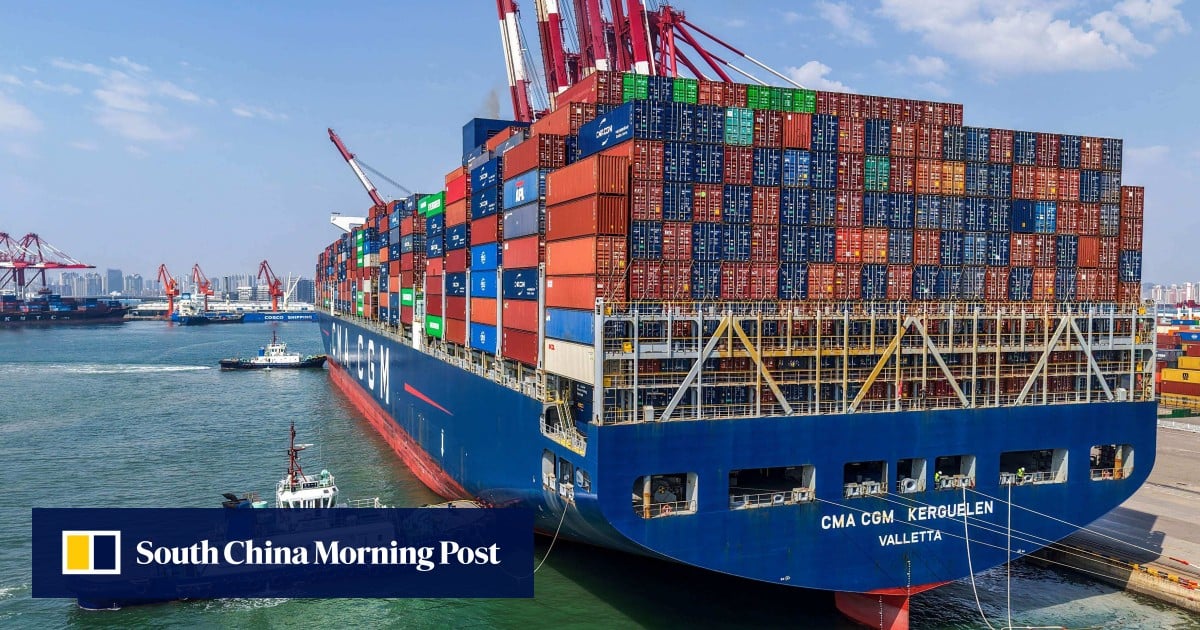
A new business survey says US export controls, sanctions and tariffs are costing American companies sales in China. The group argues the rules are pushing buyers toward Chinese or other foreign rivals instead of meeting their policy goals.
A trade group says some US rules meant to pressure China are also hurting American companies. It is like trying to block one kid in a game, but the other kids just buy from someone else instead.
Analysis
What the survey found
The US-China Business Council said its annual member survey points to a clear downside for American firms operating in China. Nearly half of the 175 respondents said they were affected by US export controls and sanctions, and around 61% of those companies said they lost sales to Chinese competitors, up five percentage points from 2025.
The group also said tariffs were widely felt. More than 72% of surveyed companies were hit by the back-and-forth tariffs imposed by Washington and Beijing, and close to 40% of the affected firms said they lost sales because of the US duties.
The council’s argument
The council’s position is that these measures are not delivering their stated aims. It said export controls are pushing buyers to turn to other suppliers instead of helping American companies, especially when Chinese or non-Chinese rivals can quickly fill the gap. Sean Stein, the council’s president, said the lesson is not that controls are unimportant, but that they need to be more strategic, more carefully calibrated and able to adapt as technology changes.
Bigger picture
The report also says there are few signs that the policies are bringing production back to the United States. That makes the survey a warning for policymakers: restrictions intended to protect strategic interests may also weaken the competitiveness of US firms already exposed to the China market.
Key points
- Nearly half of the 175 surveyed firms said they were affected by US export controls and sanctions.
- About 61% of the affected firms said they lost sales to Chinese competitors.
- More than 72% of respondents were hit by the two countries' tariffs, and close to 40% of affected firms lost sales because of US duties.
- The US-China Business Council says the policies are not clearly meeting their goals of limiting sensitive technology or reviving US manufacturing.
If policymakers take the survey seriously, they could narrow the rules to better target only the most sensitive technologies. That might reduce damage to US companies while keeping the controls more effective.
If the current approach stays the same, more buyers may keep switching away from US suppliers to Chinese or other foreign rivals. The report also suggests the tariffs and controls may continue to hurt sales without bringing much manufacturing back to the United States.