U.S. House bill would erect crypto-theft task force across law enforcement agencies
A bipartisan House bill would create a federal crypto-theft task force led by the attorney general, but its path through Congress is unclear.
Intelligence analysis by GPT-5.4 Mini
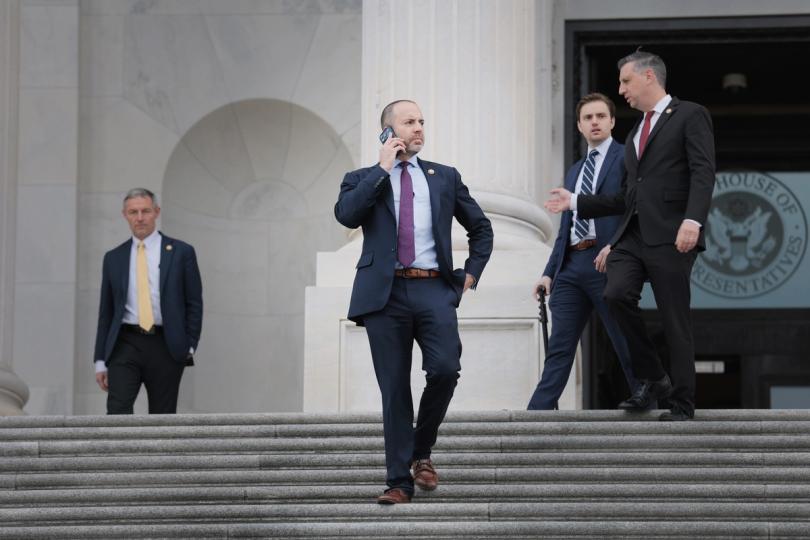
A bipartisan bill in the U.S. House would create a Federal Cryptocurrency Theft Task Force under the attorney general, bringing together DOJ, FBI, Homeland Security, Treasury and others to coordinate crypto theft cases. Supporters say victims need a single federal contact point, but passage is uncertain.
A group of lawmakers wants to make a special federal team that helps catch people who steal crypto, like giving the police a shared phone line instead of many separate ones. Supporters say it would help victims get faster help and make cases easier to track.
Analysis
What the bill would do
A bipartisan pair of House lawmakers has introduced legislation to create a Federal Cryptocurrency Theft Task Force led by the U.S. attorney general. The proposed group would pull in several agencies, including the DOJ, FBI, Homeland Security and Treasury, and would serve as the main federal coordinator for crypto theft investigations.
Why sponsors say it is needed
Rep. Lance Gooden said crypto criminals are stealing billions from Americans and that Washington lacks a coordinated strategy. Rep. Josh Gottheimer argued that victims have “nowhere to turn” and said the bill would give them a single federal point of contact. The legislation is framed as a way to improve prevention, investigation and victim support without replacing local control.
How it fits existing enforcement efforts
The article places the proposal alongside earlier federal coordination efforts. The DOJ previously had the National Cryptocurrency Enforcement Team, which was disbanded after the change in administration. Separately, the government has used cross-agency models before, including the Joint Ransomware Task Force and the Treasury Department’s Scam Center Strike Force, which has targeted overseas crypto scam networks.
Legislative outlook
The article says it is not yet clear whether the bill can move in a busy congressional session. It would need a committee path in the House or attachment to a larger must-pass package. That makes the proposal meaningful as a policy signal, but not yet a settled change in law.
Key points
- The bill would create a Federal Cryptocurrency Theft Task Force under the U.S. attorney general.
- The task force would involve DOJ, FBI, Homeland Security, Treasury and other agencies.
- Sponsors say crypto theft and scams are still costing Americans billions and victims need a single federal contact.
- The article says passage is uncertain because the bill still needs a committee route or must-pass legislative vehicle.
- The proposal echoes earlier cross-agency efforts such as the Joint Ransomware Task Force and the Treasury Scam Center Strike Force.
If the bill advances, federal agencies could work from a single playbook on crypto theft instead of handling cases in scattered ways. That could make it easier for victims, investigators and local police to coordinate and follow stolen funds.
The bill may stall in Congress, leaving the current patchwork response unchanged. Even if it moves forward, the task force would still depend on cooperation across agencies and jurisdictions, which can limit how quickly cases are handled.