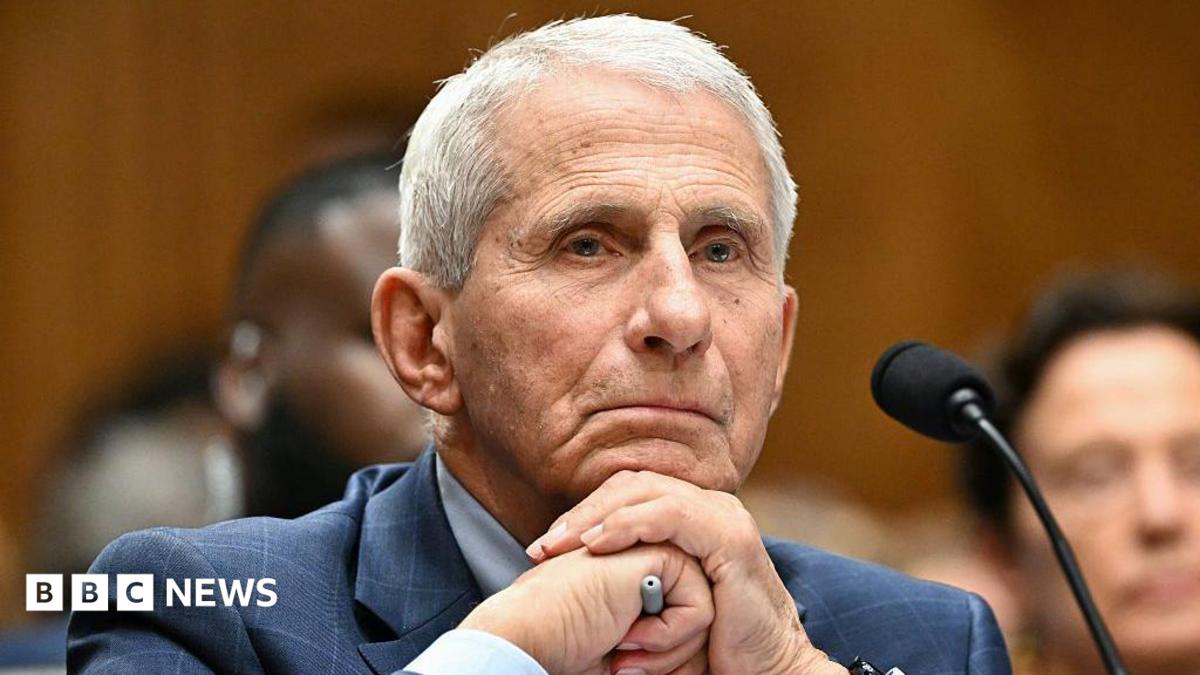
US House of Representatives passes war powers resolution in rebuke to Trump
The House passed a resolution to limit Trump's ability to attack Iran without Congress, but it is unlikely to become law.
Intelligence analysis by GPT-5.4 Mini

The US House voted 215-208 to curb Donald Trump's authority to wage war against Iran without congressional approval. The measure is a symbolic rebuke unless the Senate acts, but it exposes deep Republican division over the conflict.
The House voted like a big rule-checking board saying the president should not be able to start this war by himself. It is like one person trying to spend the whole family budget without asking the others first.
Analysis
What happened
The House of Representatives approved a war powers resolution aimed at limiting President Donald Trump’s ability to attack Iran without congressional authorisation. The vote was 215 to 208, with four Republicans joining Democrats to push it through.
Why this vote stands out
The resolution is not expected to become law, but it is still a clear political rebuke to Trump’s decision to join Israel in attacking Iran on February 28. The article says the conflict has now lasted 100 days, and Trump has tried to describe it as a “skirmish” or a “short-term excursion.”
The vote is also notable because it was the fourth House attempt this year to force Trump to seek congressional backing for military action against Iran, and the first to succeed in the chamber. A previous vote expected on May 21 was cancelled after House Speaker Mike Johnson adjourned the chamber early, a move some interpreted as helping avoid an embarrassing result for Republicans.
The political split
Democrats were unanimous in support. Representative Ayanna Pressley said the House voted to “rein in Trump and end his unauthorized, reckless war,” while Representative Shontel Brown stressed that Congress, not the executive branch, holds the power to declare war.
The Republican defections came from Tom Barrett, Warren Davidson, Brian Fitzpatrick and Thomas Massie. Massie, who lost a recent primary to a Trump-backed challenger, used social media to say the House had sent a message to end the war.
The stakes
The article says the war has already cost the US an estimated $29bn, according to the Pentagon in May, though some analysts think that number is too low. It also cites a CSIS warning that the conflict has strained military supplies, including Tomahawk missiles, THAADs and Precision Strike missiles.
Key points
- The House passed a war powers resolution by 215-208 to limit Trump's ability to attack Iran without Congress.
- Four Republicans joined Democrats in support, showing a split inside the GOP.
- The article says the measure is unlikely to become law, so its effect may be mostly political for now.
- Lawmakers cited constitutional concerns, rising costs, and strain on military munitions.
- The Senate is now being urged to act quickly if the effort is to go further.
If the Senate takes up the measure and passes it, Congress could force a clearer check on presidential war powers. That could slow the conflict and create pressure to end the war through political action instead of more fighting.
The article says the resolution is unlikely to become law, so it may have little immediate effect on the war. If the conflict continues, the US could face more spending, more political division, and further strain on military supplies.