US, Iran set to hold separate talks with mediators on Monday or Tuesday, official says
Qatari mediators are set to hold separate talks with Iranian Foreign Minister Abbas Araqchi and US representatives in New York. Discussions focus on Iran's seven-day proposal to end hostilities, unfreeze assets, and lift sanctions.
Intelligence analysis by Gemini 2.5 Flash
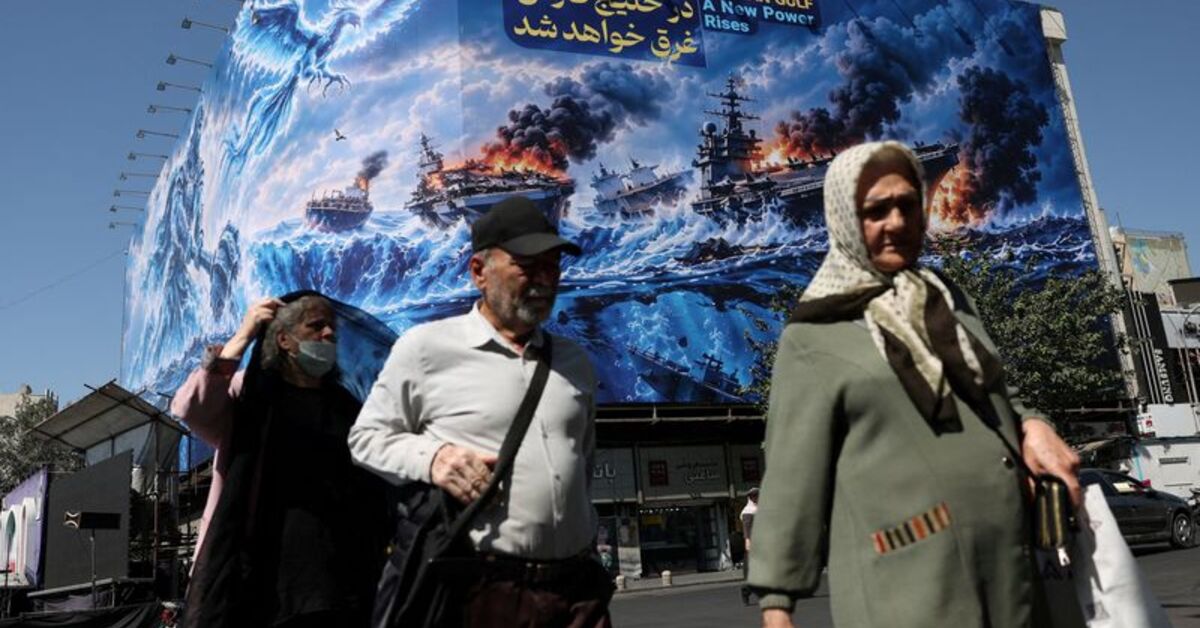
Qatari mediators are facilitating indirect talks between the US and Iran in New York, centered on an Iranian proposal to end hostilities, unfreeze assets, lift oil sanctions, and reopen the Strait of Hormuz. While President Trump initially rejected the plan, he signaled further engagement, and Iran awaits a definitive US position, emphasizing its clear conditions.
Two countries, the US and Iran, are having a disagreement, and a friendly country, Qatar, is helping them talk without being in the same room. Iran has a plan: if the US stops its economic pressure and lets Iran get its money back, Iran will open a crucial shipping lane. The US leader first said no, but now might be willing to talk more.
Analysis
The article discusses a renewed diplomatic push involving Qatari mediators to bridge the divide between the United States and Iran. The core of these discussions revolves around an amended seven-day proposal put forth by Iran, which seeks a comprehensive de-escalation of hostilities and economic relief. This initiative comes at a critical juncture, following Iran's participation in the United Nations General Assembly, where its Foreign Minister, Abbas Araqchi, remained to engage with the mediators. The proposal outlines several key demands from Tehran, including the cessation of all hostilities in Iran and Lebanon, the unfreezing of substantial Iranian assets, the termination of sanctions on Iranian oil exports, and the lifting of the US blockade on Iranian ports. In return, Iran has offered to reopen the strategically vital Strait of Hormuz and resume negotiations on its nuclear program, signaling a potential pathway to broader diplomatic engagement.
Iran's Seven-Day Proposal
Iran's seven-day plan represents a significant diplomatic overture, aiming to address the multifaceted tensions with the United States. The proposal is structured to achieve immediate de-escalation and long-term stability. Central to Iran's demands is the unfreezing of billions of dollars in assets, which have been held due to international sanctions, and a complete end to sanctions targeting its crucial oil sector. These economic measures have severely impacted the Iranian economy, and their removal is a primary condition for Tehran. Furthermore, Iran insists on the lifting of the US blockade on its ports, which would facilitate its international trade and economic recovery. The proposal also includes a cessation of hostilities in both Iran and Lebanon, indicating a desire for regional stability beyond its immediate borders.
US President Donald Trump
The US response to Iran's proposal has been characterized by a degree of ambivalence, as highlighted by President Donald Trump's statements. Initially, Trump publicly rejected Iran's seven-day plan, attributing Tehran's eagerness for a swift agreement to the severe economic pressure it is currently facing. This stance underscores the US administration's belief that its "maximum pressure" campaign has been effective in compelling Iran to seek negotiations. However, despite the initial rejection, Trump also indicated a willingness for US negotiators to engage in further talks, suggesting that the door to diplomacy remains open. This mixed messaging reflects the complex dynamics of US-Iran relations, where public posturing often coexists with behind-the-scenes diplomatic efforts. The US side's representation in these mediated talks remains unclear, adding another layer of uncertainty to the process.
Abbas Araqchi
Iranian Foreign Minister Abbas Araqchi plays a pivotal role in these ongoing diplomatic efforts. His presence in New York following the United Nations General Assembly specifically for these mediated talks underscores Iran's commitment to finding a negotiated solution. Araqchi's statement that mediators had not formally conveyed a US rejection to Tehran, and that Iran was awaiting Washington's definitive position, highlights the delicate nature of indirect diplomacy. He reiterated Iran's clear conditions for any move towards reopening the Strait of Hormuz, emphasizing that these conditions must be met for progress to occur. Araqchi's firm but open stance suggests that while Iran is under economic duress, it is not prepared to concede its core demands without significant reciprocal actions from the US. His continued engagement with Qatari mediators is crucial for keeping the communication channels open and exploring potential compromises.
Key points
- Qatari mediators are facilitating separate talks between US and Iranian officials in New York.
- The discussions focus on an amended seven-day proposal from Iran to end hostilities and lift sanctions.
- Iran's proposal includes unfreezing assets, ending oil sanctions, lifting port blockades, and reopening the Strait of Hormuz.
- US President Trump initially rejected the proposal but indicated a willingness for further engagement.
- Iranian Foreign Minister Abbas Araqchi stated Iran's conditions for reopening the Strait of Hormuz are clear and await a definitive US position.
If these mediated talks succeed, they could lead to a significant de-escalation of tensions between the US and Iran, potentially unfreezing billions in Iranian assets and lifting oil sanctions. This could pave the way for the reopening of the Strait of Hormuz, improving global energy security and fostering broader regional stability, while also allowing for renewed discussions on Iran's nuclear program.
The talks could falter if the US and Iran fail to agree on the terms of Iran's proposal, particularly regarding the lifting of sanctions and the unfreezing of assets. President Trump's initial rejection and the lack of clarity on US representation suggest potential hurdles, which could lead to continued economic pressure on Iran and sustained regional instability, keeping the Strait of Hormuz closed.
Market signals
- OIL Successful talks and the reopening of the Strait of Hormuz would ease supply concerns, potentially lowering oil prices.
AI-generated analysis of potential market relevance. Not financial advice.