US-Iran strikes: latest developments
Hostilities in the Middle East intensified after a seventh night of US strikes on Iran, prompting Tehran to threaten a "full-scale offensive" and leading to the virtual closure of the strategic Strait of Hormuz.
Intelligence analysis by Gemini 2.5 Flash
The Middle East is experiencing a significant escalation in conflict, with the US conducting repeated strikes against Iran, which has responded with threats of broader action and attacks on regional US targets and infrastructure in Gulf countries. The critical Strait of Hormuz is also impacted, raising concerns about regional stability and global trade.
Imagine two big countries, the US and Iran, are having a serious argument, and they're throwing punches at each other. The US has been hitting Iran with rockets for several nights, and Iran is now saying it will hit back even harder and anywhere it wants. This fighting is happening near a very important water road called the Strait of Hormuz, where many oil ships travel, and it's almost closed, which could make things tricky for everyone needing oil. Other countries nearby are also getting caught in the middle, with their defenses shooting down rockets.
Analysis
Escalation Across the Gulf
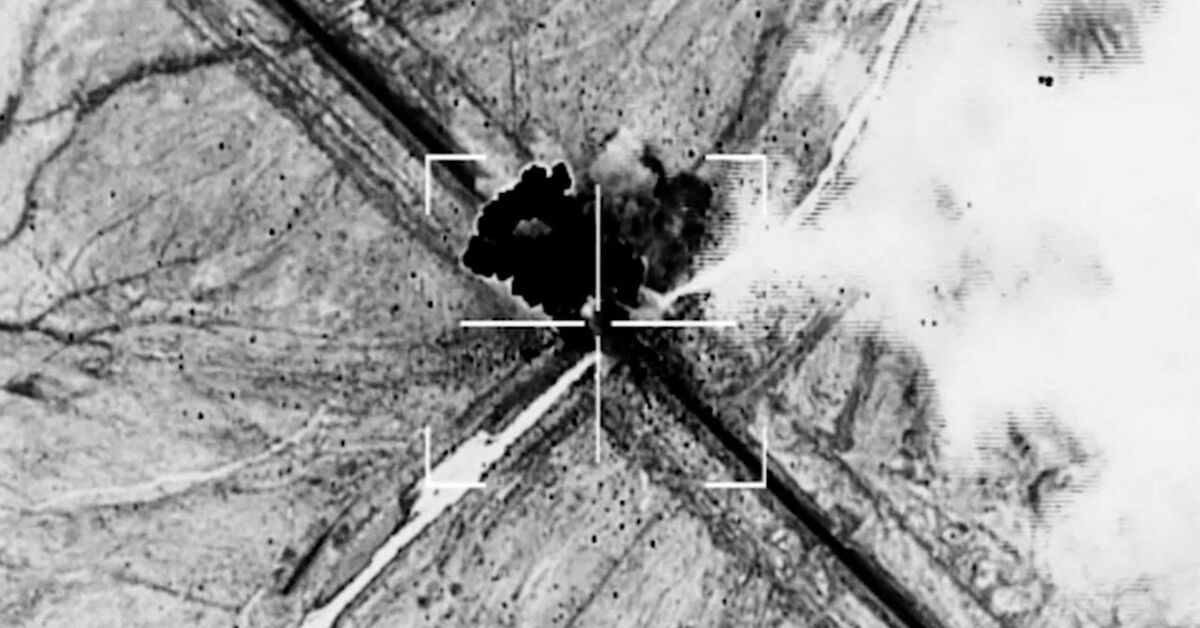
The Middle East has witnessed a dramatic increase in hostilities, marked by a seventh consecutive night of US attacks on Iranian targets. US Central Command (CENTCOM) confirmed hitting various sites, including surveillance posts, military logistics infrastructure, underground weapons storage, and maritime capabilities within Iran. This sustained campaign by the United States has been met with a series of retaliatory actions and threats from Tehran, indicating a dangerous cycle of escalation.
Iran's responses have not been limited to its own territory. Bahrain reported thwarting Iranian attacks, while Kuwait confirmed that Iranian strikes hit another of its power and water plants, causing deactivation of generation units. Furthermore, Iran's army claimed to have struck US military targets in Kuwait, specifically at the Al-Adiri camp and Ali Al-Salem base, and fuel tanks at Jordan's Al-Azraq base. Bahrain also reported its air base, used by the US, was targeted, with air raid sirens sounding across the country.
Tehran's Warning and Strategic Implications
Major General Mohsen Rezaei, speaking to state-controlled IRIB, issued a stark warning that Iran would resume "full-scale offensive operations" if US strikes persist. He emphasized that Iran would no longer be confined to "retaliatory, like-for-like responses" and that "no political border will be safe." This threat signals a potential shift in Iran's strategy from measured retaliation to a broader, more aggressive posture, significantly raising the stakes in the region.
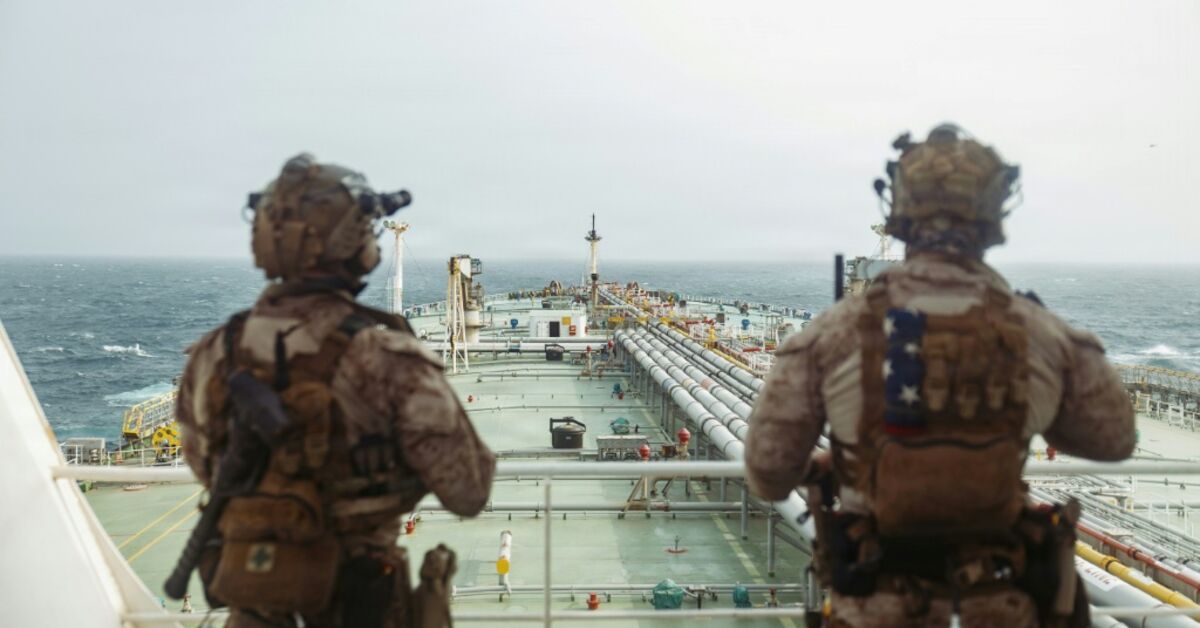
Adding to the regional tension, the strategic Strait of Hormuz, a vital chokepoint for global oil shipments, has remained virtually closed. The Iranian Revolutionary Guards claimed two oil tankers struck mines in the strait, attributing the incident to "deceptive American intelligence agencies," a claim denied by the US military. The Guards also stated they had "stopped" four ships attempting to transit the passage, underscoring Iran's willingness to disrupt international shipping and exert control over this critical waterway, with profound implications for global energy markets.
The Cycle of Retaliation and Future Risks
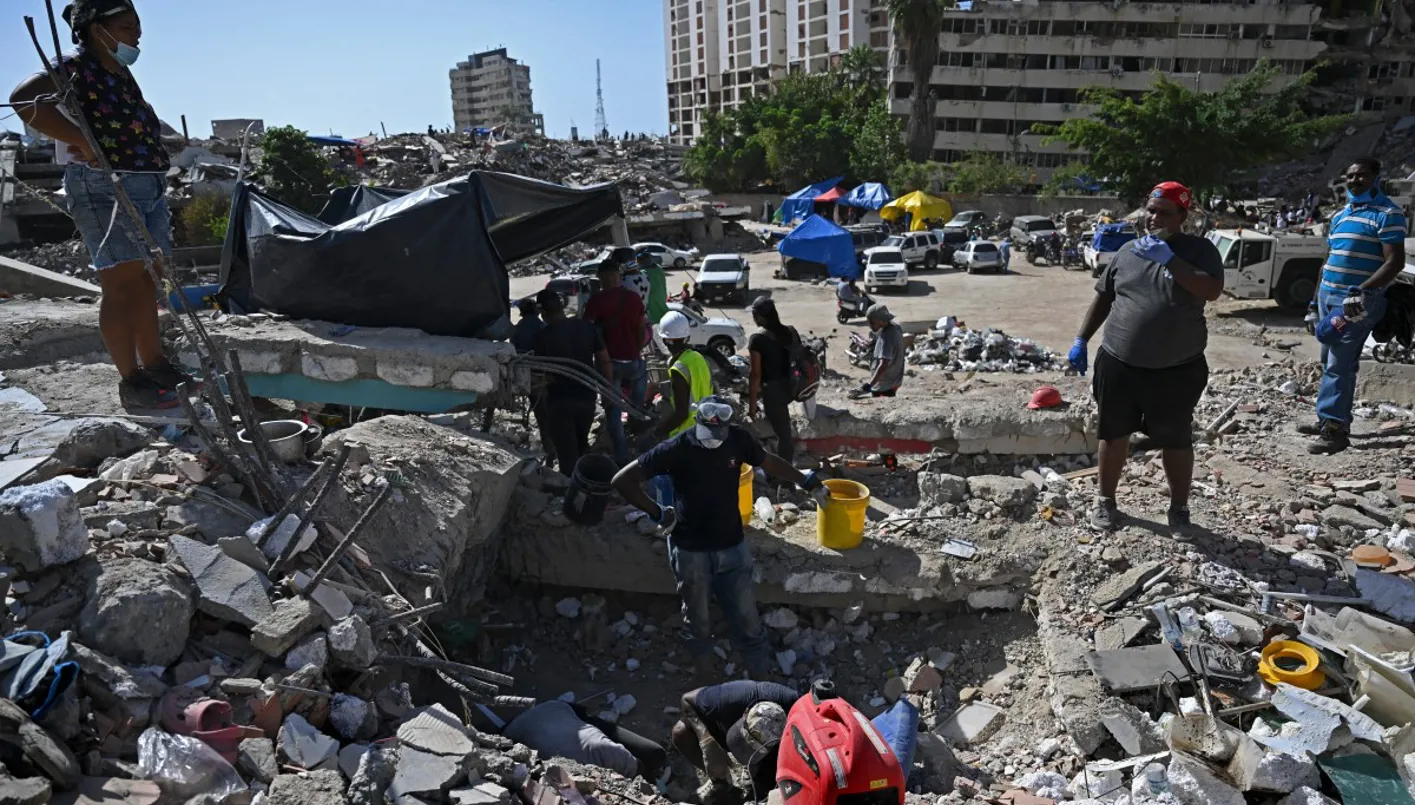
The current situation is characterized by a dangerous tit-for-tat dynamic, where each action by one side prompts a response from the other, increasing the risk of miscalculation and unintended escalation. The reported casualties from US strikes in Iran, with IRNA news agency stating three killed and eight wounded in Hormozgan province, further fuel the cycle of vengeance. Explosions were also reported in central and southern Iranian cities following the US attacks, indicating widespread impact.
The involvement of multiple regional actors, with Bahrain, Kuwait, and Jordan reporting interceptions of Iranian missiles or attacks on their infrastructure, highlights the potential for this conflict to broaden beyond direct US-Iran confrontations. The explicit threats from Iran to disregard political borders suggest a willingness to engage in asymmetric warfare across the region. This volatile environment creates significant uncertainty for regional stability, international trade, and the security of military personnel stationed in the Middle East, demanding urgent diplomatic efforts to de-escalate the situation before it spirals into a wider regional war.
Key points
- US forces conducted a seventh consecutive night of strikes on Iranian targets, including surveillance sites and military infrastructure.
- Iran threatened a "full-scale offensive" if US strikes continue, vowing to expand its retaliatory actions beyond like-for-like responses.
- The strategic Strait of Hormuz remains virtually closed, with Iran claiming tankers hit mines and stopping other ships.
- Bahrain, Kuwait, and Jordan reported Iranian attacks on their territories, including power plants and US military targets.
- Iranian state media reported three deaths and eight injuries in Hormozgan province due to US strikes, with explosions also heard in central and southern Iran.
The current trajectory suggests a high probability of further escalation, potentially leading to a full-scale regional conflict that could draw in more countries. The closure of the Strait of Hormuz could severely disrupt global oil supplies, triggering an economic crisis, while increased military actions risk significant casualties and widespread instability across the Middle East.
Market signals
- OIL The virtual closure of the Strait of Hormuz and attacks on oil tankers directly threaten global oil supply routes, pushing prices higher.
- XAU Escalating geopolitical tensions and regional instability typically drive investors towards safe-haven assets like gold.
AI-generated analysis of potential market relevance. Not financial advice.