US-Israeli strikes hit medical and nuclear facilities, Iran nuclear chief says
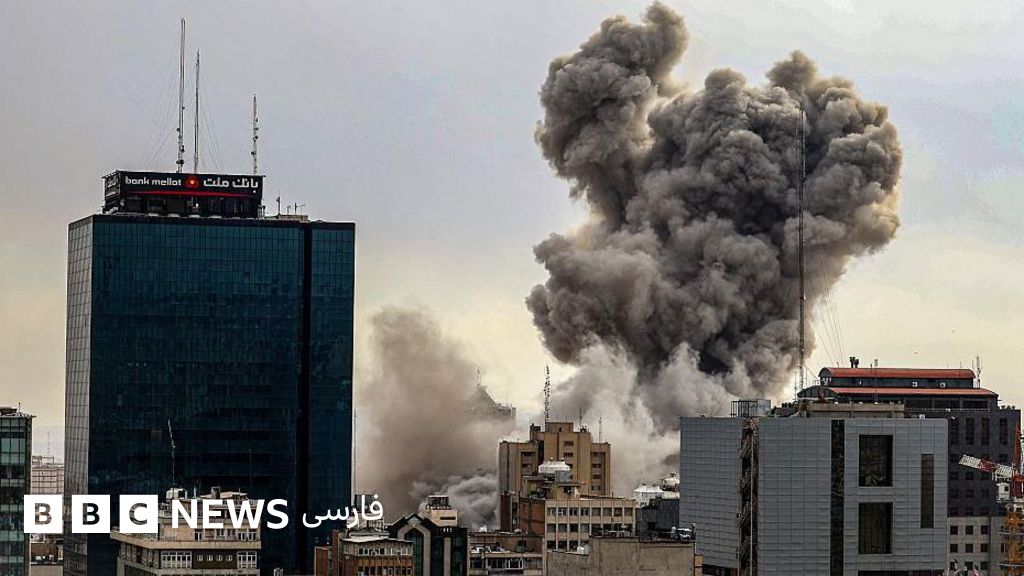
Iran's nuclear chief, Mohammad Eslami, revealed that US and Israeli strikes targeted facilities linked to the country's nuclear program, as well as medical and diagnostic materials used by patients. The strikes hit a nuclear fuel production plant, a radiopharmaceutical pr…
Intelligence analysis by Llama

Iran's nuclear chief, Mohammad Eslami, stated that US and Israeli strikes targeted facilities linked to the country's nuclear program and medical and diagnostic materials. The strikes hit a nuclear fuel production plant, a radiopharmaceutical production facility, and an oxygen-18 production line.
Iran's nuclear chief said that US and Israeli strikes targeted not only the country's nuclear program but also medical facilities that produce important medicines for patients. This means that the strikes affected people who need these medicines to stay healthy.
Analysis
Medical and Nuclear Facilities Targeted by US-Israeli Strikes
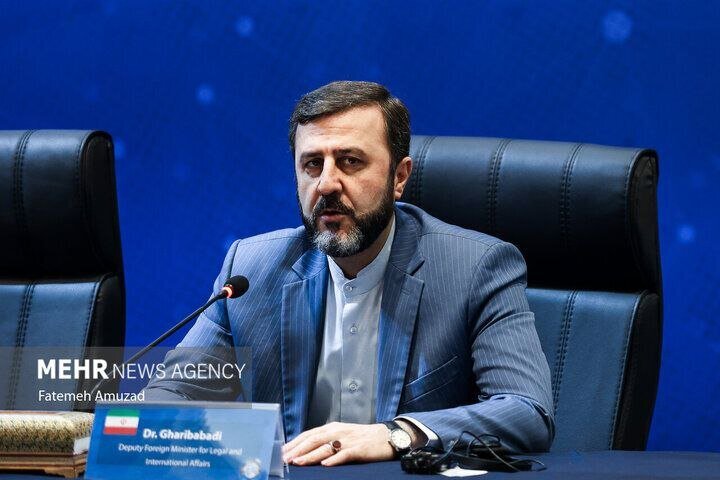
The head of Iran's Atomic Energy Organization (AEOI), Mohammad Eslami, recently revealed that US and Israeli military strikes over the past year targeted facilities linked not only to Iran's nuclear program but also to the production of medical and diagnostic materials used by patients across the country. Speaking at a ceremony marking Physicians' Day in Iran's nuclear industry, Eslami stated that the nuclear fuel production plant in Isfahan was the first facility targeted during the attacks. The plant produces fuel for the Tehran Research Reactor, which is primarily used for research and the production of radiopharmaceuticals.
Eslami also highlighted that a radiopharmaceutical production facility was hit in the air raids, while an oxygen-18 production line at the Khondab complex was bombed. Oxygen-18 is used in positron emission tomography (PET) scans, a key diagnostic tool in modern medicine. He emphasized that AEOI-produced medical and diagnostic products are used by more than 1.5 million people in Iran each year and are also exported to several countries.
Consequences of the Strikes
Eslami argued that the targeting of facilities involved in scientific and medical production demonstrated the consequences of the attacks beyond the nuclear sector. He described the strikes as a clear reflection of the attackers' approach toward Iran's scientific capabilities. Eslami also highlighted Iran's development of cold plasma technology, describing it as a promising new avenue for medical applications. According to the AEOI chief, more than 20 wound-treatment clinics across Iran are currently using the technology in treatments aimed at cancer patients and pain relief.
Iran's Nuclear Industry Continues to Develop Medical Technologies
The remarks underscore the overlap between Iran's civilian nuclear program and its broader medical and scientific infrastructure, particularly in areas such as radiopharmaceuticals and nuclear medicine. Tehran has repeatedly emphasized the medical and research applications of its nuclear capabilities, while the United States and Israel have targeted parts of Iran's nuclear infrastructure during their military confrontations with the country. Eslami stated that Iran's nuclear industry has continued to develop medical technologies despite the attacks, with researchers pursuing advanced applications in healthcare and expanding the international reach of domestically produced nuclear-related medical products.
Key points
- US and Israeli strikes targeted facilities linked to Iran's nuclear program and medical and diagnostic materials.
- The strikes hit a nuclear fuel production plant, a radiopharmaceutical production facility, and an oxygen-18 production line.
- Iran's nuclear industry continues to develop medical technologies despite the attacks.
- Researchers are pursuing advanced applications in healthcare and expanding the international reach of domestically produced nuclear-related medical products.
Iran's nuclear industry continues to develop medical technologies, and researchers are pursuing advanced applications in healthcare. This could lead to improved medical treatments and products for patients in Iran and potentially even for patients in other countries.
The targeting of medical facilities by US and Israeli strikes could lead to a shortage of essential medicines for patients in Iran. This could have serious consequences for people who rely on these medicines to stay healthy.