US justice department approves $111bn merger of Paramount and Warner Bros Discovery
The US Justice Department has approved the $111bn merger of Paramount Skydance and Warner Bros Discovery, despite concerns about competition and potential job cuts.
Intelligence analysis by Gemini 2.5 Flash
The Trump administration's Justice Department has given its blessing to a massive media merger, uniting Paramount Skydance with Warner Bros Discovery. The decision, made after months of review, has sparked criticism from those who fear it will harm competition and journalistic independence, especially with upcoming scrutiny from UK regulators and potential lawsuits from US state attor…
Imagine if two of your favorite toy companies, who make movies and TV shows, wanted to become one giant company. The grown-ups in charge of making sure there's fair play, called the Justice Department, said "okay." But some other grown-ups are worried that this big new company might mean fewer choices for you and fewer jobs for the people who make the toys and shows.
Analysis
The US Justice Department's antitrust division has officially approved the $111bn merger between Paramount Skydance and Warner Bros Discovery. This decision comes after an eight-month investigation, during which the division concluded that the transaction is "not likely to result in harm to competition or American consumers" across streaming, linear television, and film production.
Remaining Hurdles
Despite US approval, the deal faces ongoing scrutiny. The UK competition watchdog has launched its own investigation, setting an August 7 deadline to determine if the merger will lead to a "substantial lessening of competition" in the UK. Additionally, European regulators are probing the $24bn commitment from three Gulf sovereign-wealth funds supporting the merger, with a July deadline for their review. Australia, however, has already approved the deal, finding it "unlikely to have the effect of substantially lessening competition."
Internal Concerns and Political Backlash
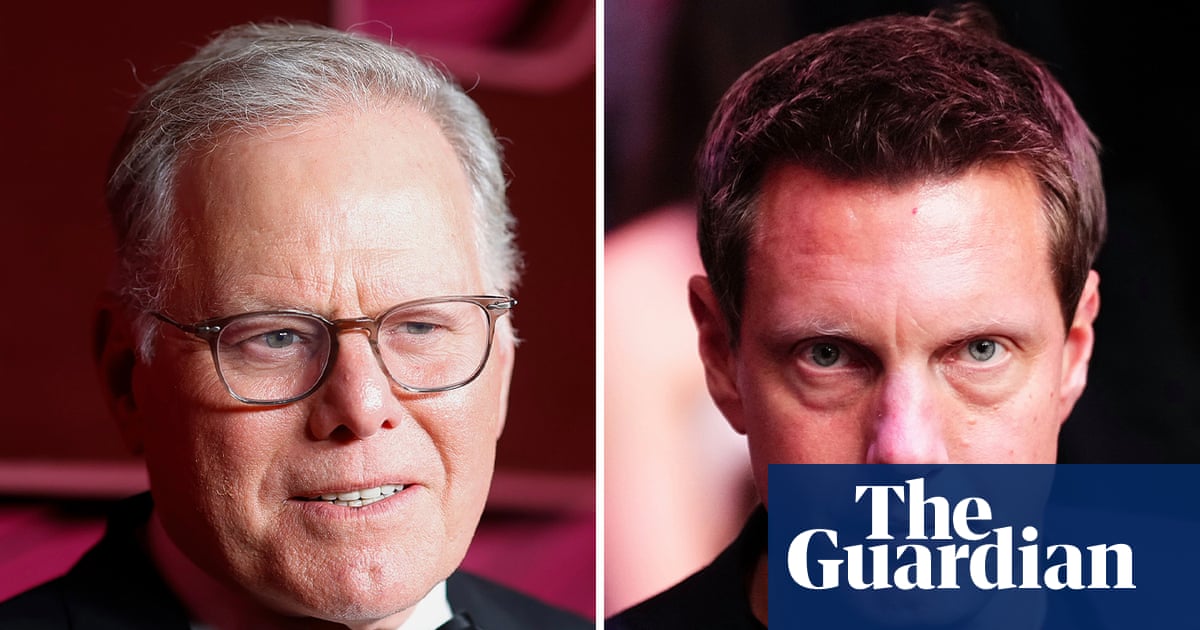
Journalists at CBS News and CNN have voiced concerns about potential mergers of their networks, fearing significant job cuts due to the promised $6bn in "synergies" from the deal. There are also worries among CNN staffers that David Ellison, whose father Larry is a longtime Trump associate, might reorient CNN's editorial direction to be more favorable to the president. Although David Ellison pledged to protect CNN's editorial independence, speculation exists about the possible appointment of Bari Weiss, CBS News's editor-in-chief, to lead CNN.
Potential Legal Challenges
A coalition of US state attorneys general, likely led by California's Rob Bonta, may still file a lawsuit to block the merger within weeks. Opponents, like Craig Aaron of Free Press, criticized the Trump administration's approval, alleging that "the fix was in at the Trump Justice Department from the start" and that the merger will undermine competition, destroy jobs, and slant news coverage. Senator Elizabeth Warren, a vocal critic, called the approval "terrible news for every American who doesn’t want Trump-aligned billionaires to control what they watch and how much they pay," suggesting the deal "reeked of corruption and influence-peddling."
Key points
- The US Justice Department has approved the $111bn merger of Paramount Skydance and Warner Bros Discovery.
- The approval was granted despite concerns from industry professionals and politicians about reduced competition and potential job losses.
- The merger still faces investigations by the UK competition watchdog and European regulators, as well as a potential lawsuit from US state attorneys general.
- Journalists at CBS News and CNN are concerned about network mergers, job cuts, and potential shifts in editorial direction.
- Opponents argue the deal could undermine competition, destroy jobs, and influence news coverage.
The merger could lead to a more efficient and powerful media entity capable of competing more effectively in the evolving entertainment landscape. The promised $6bn in synergies might allow for greater investment in content creation and innovation, potentially benefiting consumers with a broader array of high-quality films and shows.
Critics fear the merger will significantly reduce competition in the media industry, leading to fewer choices for consumers and potentially higher prices for streaming services and cable. There are also concerns about job losses at news networks and a possible shift in editorial independence, particularly at CNN, given the political affiliations of the Ellison family.