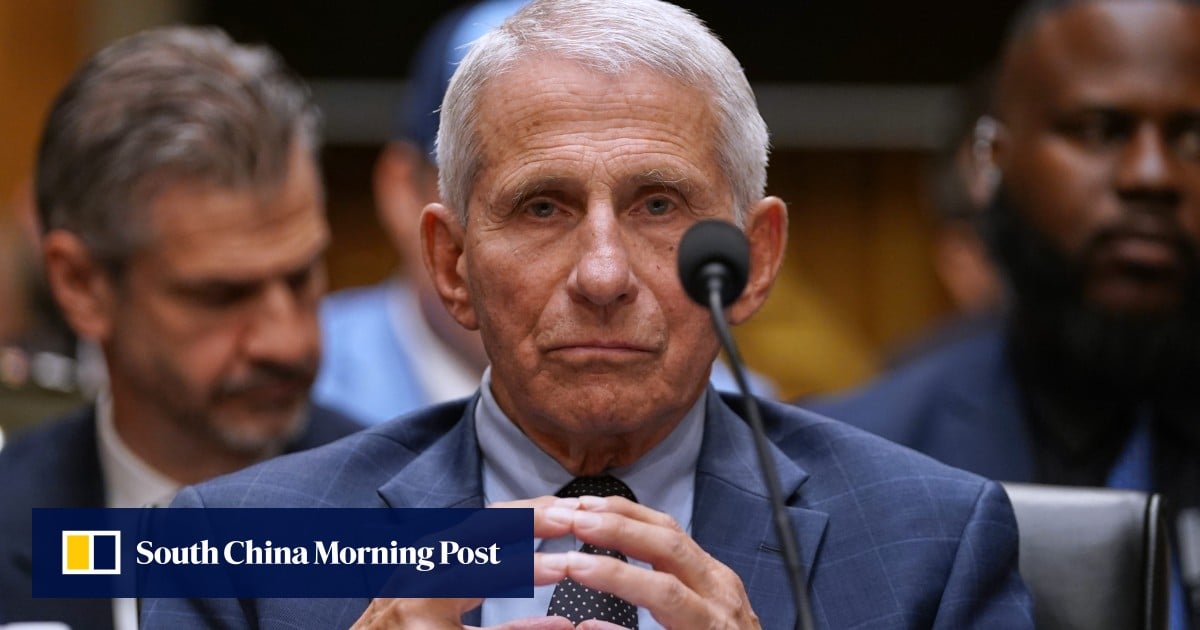
US lawmakers warn next revolution in AI race must be in America, not China
US lawmakers urged America to keep the lead in AI, framing the contest with China as a national security and economic priority.
Intelligence analysis by GPT-5.4 Mini

At a congressional hearing, lawmakers from both parties argued that the next major wave of AI innovation should be built in the US, not China. They cast AI leadership as central to security, economic power, and military advantage.
US politicians are treating AI like a race where the winner gets the biggest advantage. They want the next big AI breakthroughs to happen in America, not China, because they think it affects jobs, power, and safety.
Analysis
What happened
At a congressional hearing titled AI and the American Dream: Promoting Innovation, Affordability, and American Dominance, US lawmakers and witnesses said the next chapter of responsible AI innovation should be written in America rather than China. The hearing focused on the US-China competition for global leadership in artificial intelligence.
The message from lawmakers
Tim Scott, who chairs the Senate Committee on Banking, Housing and Urban Affairs, said cybersecurity and national security must be treated seriously, and warned that the United States cannot afford to let China or any other adversary gain a technological edge in AI. Senator Jim Banks, a Republican from Indiana, was even more direct, saying the contest with China matters more than any other for America’s future.
Banks argued that the country leading in AI will shape the global economy and hold the military high ground. That framing shows how deeply AI competition is now tied to both economic strategy and defense policy in Washington.
The broader context
The article says lawmakers displayed bipartisan support for keeping America ahead in the field. It also notes that China and the United States have historically taken different approaches to AI development, although it does not go into detail in the excerpt provided. The overall tone is one of urgency: US leaders see AI as a race in which falling behind China would have wide-ranging consequences.
Key points
- A congressional hearing focused on US-China competition in artificial intelligence.
- Tim Scott said the US cannot afford to let China gain a technological edge in AI.
- Jim Banks said AI leadership will shape the world economy and military power.
- Lawmakers from both parties backed efforts to keep America ahead in the field.
- The article frames AI leadership as a strategic issue for national security and economic power.
If the push succeeds, the US could strengthen its AI industry while keeping more of the next wave of innovation at home. The bipartisan backing described in the article could also make it easier to build stable policy around AI investment and security.
If the rivalry hardens into a pure race mindset, policy could become more focused on blocking China than on improving domestic innovation. The article also suggests the issue is being tied closely to national security, which could lead to more restrictive and confrontational rules.