US plans to fight flesh-eating screwworm outbreak with flies and dogs
US officials are using sterile flies, border surveillance and sniffer dogs after Texas found the country’s first screwworm case in 60 years.
Intelligence analysis by GPT-5.4 Mini
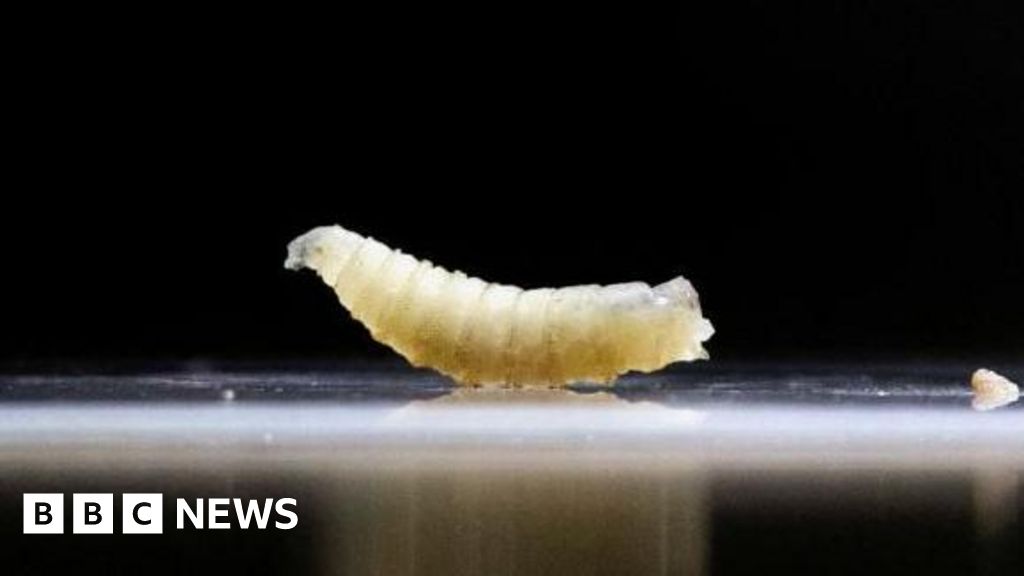
The US is trying to stop the New World screwworm from spreading after a infected calf was found in Texas near the Mexico border. Officials are leaning on sterile flies, quarantine controls and detection dogs, but experts and ranchers doubt the response is strong enough.
The US found a bug that can eat into animals’ flesh, like a tiny thief slipping into an open cut. To stop it, officials are releasing harmless male flies that cannot have babies, and using dogs to sniff out where the pests are hiding.
Analysis
What happened
US agriculture and health officials outlined a response after Texas recorded the country’s first screwworm case in 60 years. The parasite was found in a three-week-old calf in La Pryor, about 30 miles from the Mexico border, prompting a 20km control zone with quarantines, movement limits and surveillance.
How the plan works
The main weapon is the Sterile Insect Technique: breeding screwworm flies, sterilizing them with radiation, and releasing them so wild females mate without producing offspring. Officials say they have already been releasing sterile flies by air and ground. They are also relying on specialized dogs at border points to sniff out the insects.
Why officials are worried
The problem is scale. Officials say they may need to produce up to 600 million sterile flies each week to push the pest back, but current US and Mexico facilities can make only about 100 million weekly. That gap is why experts in the article say sterile flies alone will not be enough.
Political and economic pressure
The threat to people is described as low, but cattle ranchers fear a larger livestock outbreak could hit beef markets. Critics in Texas argue the federal response has been too slow, while the USDA says there is no reason to expect the incursion will become established. The article frames this as a renewed fight against a pest that has already moved north again after years of control efforts in Latin America.
Key points
- Texas reported the first US screwworm case in 60 years in a calf near the Mexico border.
- US officials are using sterile flies, quarantine controls and sniffer dogs to contain the pest.
- Experts say current sterile fly production is far below the level officials say is needed.
- Ranchers fear an outbreak could affect livestock and beef markets.
- Critics say the federal response has been too slow, while USDA says the pest should not become established.
If the sterile fly releases and border controls work together, officials could keep the screwworm from becoming established in the US. The containment zone and dog searches may also help catch spread early before it reaches more livestock.
If sterile fly production stays far below what officials say is needed, the pest could keep moving north. A wider outbreak would raise pressure on ranchers and could disrupt beef markets if livestock infections grow.